
Reviewed · FOOD TOURS
Greek Food Walking Tour in Athens
Markets, history, and serious snacking in Athens. This tour strings together central markets and neighborhood streets with guided stories about how Greek food got where it is today, from koulouri to loukoumades. One of my favorite parts is how the route takes you through places like Monastiraki and Psirri, not just random restaurants, and how guides like Adele and Ana keep it fun while answering real questions.
I also love the sheer amount of food for the price, you get 6 food stops and 12 tastings, plus local drinks like wine and tsipouro. The one drawback to plan around is simple: this is heavy eating, and the tour is not suitable for vegans or for gluten free intolerance, so you’ll need to match your diet to the menu.
In This Review
- Key highlights worth circling
- A 3.5-hour Athens food walk that teaches how markets shape the city
- Monastiraki, where shopping streets meet ancient Athens
- Aiolou Street and the herb and spice streets, built for smell first
- Central Market Athens and the fish and meat stop
- Psirri and Iroon Square, meze, music, and a late-night vibe
- What you actually eat and drink, from koulouri to loukoumades
- Why the price feels fair for what you get
- Tips so you feel relaxed, not stuffed and lost
- Should you book this Greek Food Walking Tour?
- FAQ
- How long is the Greek Food Walking Tour in Athens?
- Where does the tour start and end?
- What is included in the price?
- Is this tour private?
- Can vegetarians join?
- Is the tour vegan or gluten free friendly?
- Is there alcohol, and what is the minimum age?
- What should I do about eating before the tour?
- Do I need to bring a printed ticket?
Key highlights worth circling
- 6 food stops, 12 tastings, so you sample widely without feeling like you’re guessing
- Markets plus food history, including time at a major fish and produce market area
- Guides get repeat praise for making the walk enjoyable and for adding cultural context as you go, names like Adele, Ana, Anna, Tonia, and Maria show up again and again
- A sweet finish you can count on, with loukoumades and other classics built into the flow
- Bring an appetite, people repeatedly say they were full for the rest of the day
- Vegetarians are welcome, but vegans and gluten free guests cannot be accommodated
A 3.5-hour Athens food walk that teaches how markets shape the city
If you want Athens in one afternoon, this is a smart way to do it. You’ll walk through parts of the city that Greeks actually use for errands and meals, then you’ll taste your way through what those places are known for. It turns food into a map, which is exactly what first-time visitors need.
This tour lasts about 3 hours 30 minutes and is designed for groups of up to 12 people, with the feeling of a true private experience for your party. That smaller size matters because you can ask questions and get extra help with what to try next, and your guide can keep the pace comfortable.
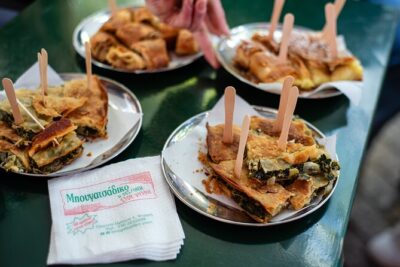
And yes, you’ll eat. The tour includes food and drink at multiple stops, including staples like koulouri (those sesame bread rings), mezedes plates, pies, souvlaki, yogurt with honey, and loukoumades. The big message: don’t show up thinking you’ll snack, you’ll be doing a full meal’s worth of tasting.
More souvlaki counters and mezze stops in a row:
- Athens: Street Food Tasting Tour
★ 4.9 · 3,343 reviews - Athens: Guided Greek Food Walking Tour with Tastings
★ 4.9 · 2,859 reviews - Small Group Greek Traditional Food Tour in Athens 20+ Tastings
★ 5.0 · 1,759 reviews - Athens: Food Market Visit and Cooking Class with Wine
★ 4.9 · 1,087 reviews
Monastiraki, where shopping streets meet ancient Athens
Monastiraki is the kind of neighborhood that feels like it was built for wandering. You get the iconic layers in a small area, with landmarks tied to ancient Athens and Byzantine-era church life sitting near modern storefronts. Even before you reach the tastings, the walk helps you understand why Athens keeps drawing people back to this part of town.
At the start, you’re in the Monastiraki area, close to major sights like Hadrian’s Library ruins and the Ancient Agora, plus the rebuilt Stoa of Attalos and its museum exhibits. The tour also connects that heritage to everyday life, so you’re not just looking at stones from a distance. You’re seeing how a historic city still functions as a city, with streets full of shops and traditional tavernas.
One practical bonus is that Monastiraki is also a visual warm-up for later market stops. You’ll pass through a lively flea-market mix of artisanal soaps, handmade sandals, and souvenir T-shirts. That matters because Athens market shopping has its own rhythm, and you’ll get used to it fast on this route.
Drawback to keep in mind: Monastiraki is busy, especially near the main shopping lanes, so if you’re sensitive to crowds, wear comfortable shoes and expect a bit of jostling.
Aiolou Street and the herb and spice streets, built for smell first
After Monastiraki, the tour shifts to streets that feel more local and more purposeful. You’ll walk through Aiolou Street, a downtown Athens street named after Aeolus, the god of winds. It’s a small detail, but it’s the kind of thing guides use to help you read the city, street names included.
Then you’ll move through the herb and spice street area, where the point is sensory. In Athens, herbs and spices aren’t just flavoring, they’re part of how Greeks talk about food, especially around cooking traditions and regional tastes. Even if you don’t buy anything, walking through these lanes gives you context for why dishes taste the way they do.
What I like here is that it slows you down. After the big landmark feel of Monastiraki, the street becomes more hands-on. You’ll be in a better mood for the next market stop because your brain is already switching from sightseeing to eating mode.
If you plan on shopping, go easy. This is a food tour first, and you’ll be moving steadily. But if you do want something small, you’ll be better equipped to pick items that match what you taste next.
Central Market Athens and the fish and meat stop
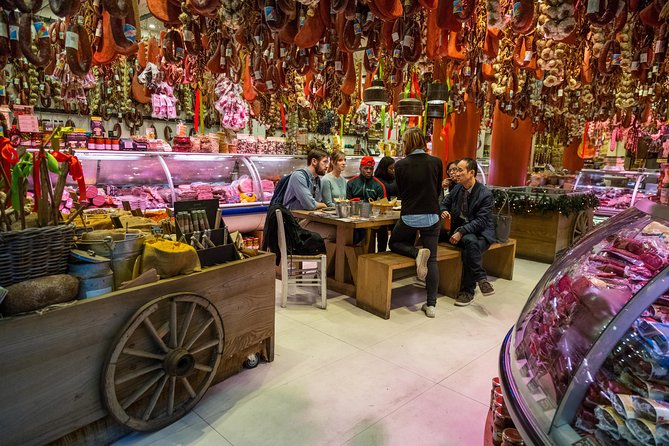
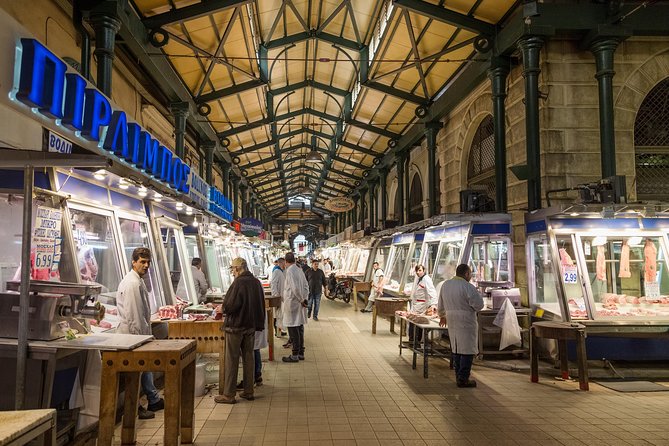
Next comes the heart of the tasting logic. The tour includes a visit to the fish and meat market, with time in Central Market Athens, where fish, meat, and produce are sold, and where you can also find places to eat. This is where the tour earns its “local” label.
When you see how fish and produce are displayed, it changes how you understand dishes you already know. That sounds abstract until you connect it to the tastings, because your guide can explain what to look for and why certain ingredients show up again and again. One thing people often mention is a quick “how Greece tastes by region” type of talk, including lessons that link foods like olive-based staples and cheeses to their production areas.
This stop is also good for learning market etiquette. You’ll see how people choose, how vendors talk, and how quickly transactions happen in a working food market. That matters on a trip because once you understand the rhythm, you can shop with confidence later.
Possible drawback: market conditions can be warm and active depending on the day and time. If you’re easily overwhelmed by smells or crowds, plan to pace yourself. The good news is you’re not left to wander alone, the guide keeps you moving to the right tasting spots.
Psirri and Iroon Square, meze, music, and a late-night vibe
Then you reach Psirri, one of the city areas where food and nightlife share the same sidewalks. The tour focuses on Iroon Square and surrounding streets, where you’ll find eateries serving meze and where live music often shows up, including rembetika, a style of Greek blues.
This stop is about atmosphere, but in a useful way. It helps you understand that Greek eating is social and flexible. In Psirri, food isn’t stuck inside a single meal format. You’ll see how tavernas and bars create a scene where a drink might lead to another bite, and where people come out for the evening.
You also get a look at the small artisan shop side of the neighborhood, including handmade leather bags and indie-style fashions. Graffiti pops up as well, which is a reminder that cities are always changing, even when tourism highlights the older parts.
One consideration: if you’re traveling with early mornings in mind, Psirri can feel like the “save for later” neighborhood. That said, the tour timing is still structured, and you’ll be tasting along the way rather than just standing around for views.
More Athenian tavernas, ouzeri and counters:
- Athens Authentic Greek Food Walking Tour (Small Group)★ 5.0 · 809 reviews
- Athens Greek Food Tour Small-Group Experience★ 5.0 · 802 reviews
- Athens Evening Food Tour★ 5.0 · 766 reviews
- Get a Taste of Athens Food Tour★ 5.0 · 624 reviews
What you actually eat and drink, from koulouri to loukoumades
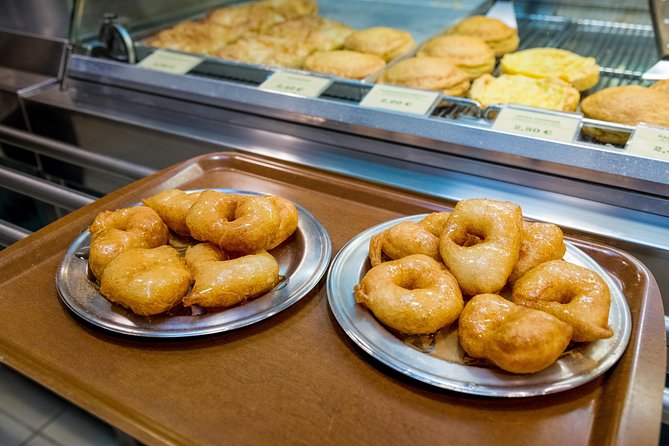
Let’s talk food, because this is the reason you book. The tour includes 6 food stops and 12 tastings, and the sample menu gives you a clear sense of the arc.
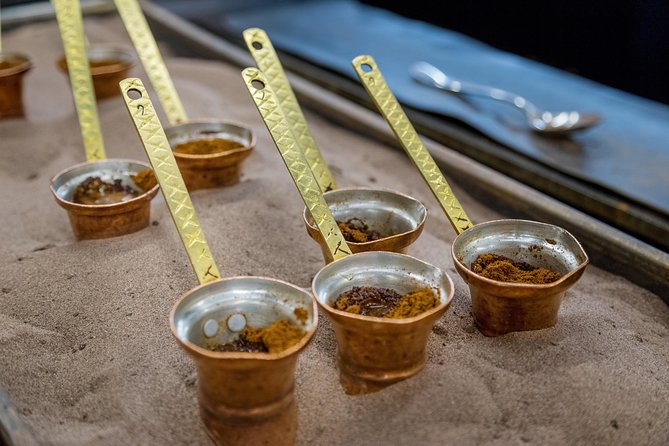
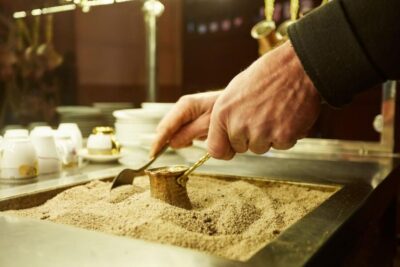
You’ll start with koulouri and local coffee. Koulouri is one of those Greek foods that shows up in daily life, so eating it early sets you up for the rest of the menu. Coffee here matters too, because Greek coffee is part of the social side of the culture, not just caffeine.
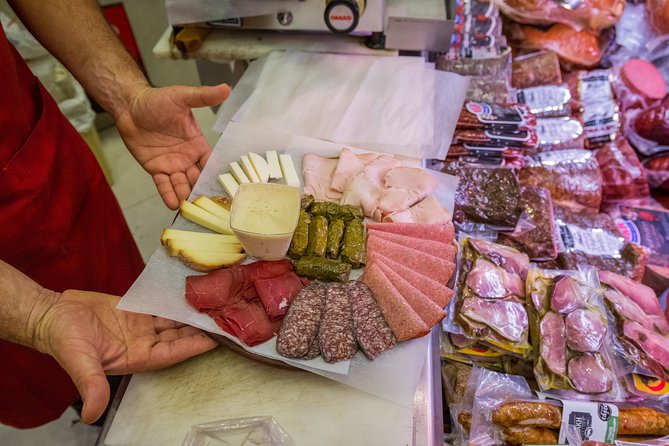
Then you move into savory territory. You can expect mezedes plates, plus bread with tomato sauce, local pies, and souvlaki. This is a smart mix because it gives you texture and variety, not just repeated versions of the same thing.
After that, the tour keeps the sweetness coming. You’ll try yogurt with honey, then the dessert finale is loukoumades, Greek donut-like treats usually served warm. If you’re the type who always tries sweets, this stop will feel like the payoff you were waiting for.
Drinks are part of the experience too. The tour includes local wine and tsipouro, and the minimum drinking age is 18. If you don’t drink alcohol, you can still expect tastings, but double-check with your guide about what will be offered at the drink stops based on your preferences.
A practical tip that can save your comfort: you’re advised not to eat beforehand because the portions add up fast. Many people do it the hard way once, by eating earlier and then realizing they could barely finish the tastings. I’d rather you avoid that mistake than “learn from experience.”
Why the price feels fair for what you get
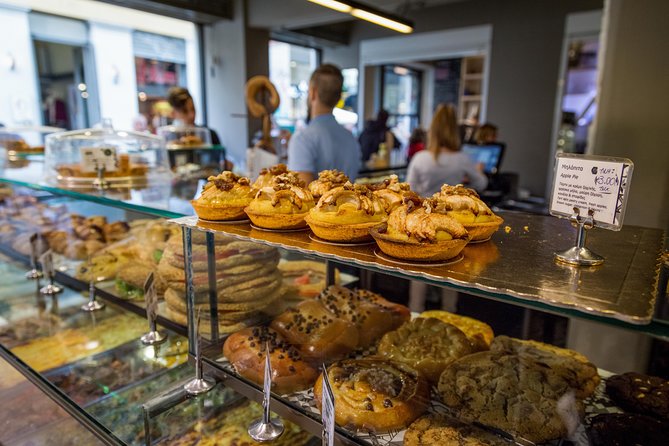
At $87.07 per person for about 3.5 hours, the value comes from two places.
First, it’s not just “you walk and maybe stop for bites.” You get a guided route, food and drink included, and a built-in set of tastings across multiple establishments, including a fish and meat market visit. That kind of structure takes work, and it also means you’re not wasting your time chasing the right spot on your own.
Second, the group size stays small, with groups no larger than 12. That’s important because it keeps the flow manageable and makes the guide’s attention more personal. Multiple guides are mentioned positively in terms of energy and responsiveness, and that aligns with what you want on a walking food tour: quick answers and a relaxed pace.
Is it expensive compared to a cheap street snack? Sure. But it’s not priced like street snacking. It’s priced like a guided meal plus cultural orientation, and the feedback you’ll see repeatedly focuses on leaving full and leaving informed.
Tips so you feel relaxed, not stuffed and lost
Here’s how to get the best day out of the walk.
Wear shoes you can stand in. You’re on foot for hours through markets and older streets. Monastiraki and Psirri both have lanes that feel lively, and you don’t want your feet to become your main distraction.
Go in hungry, but not reckless. The tour advises you not to eat anything in advance because there’s plenty of food. If you have a sensitive stomach, talk to your guide on the day about pacing, but don’t “plan to outsmart the tour” with a big meal first.
Bring patience for the market pace. Market stops have their own flow. You’ll see vendors, stalls, and people moving fast. The guide helps you move with purpose, so trust that the tastings will come.
If you have dietary needs, confirm early. The tour is suitable for vegetarians, but it’s not suitable for vegans or for gluten free intolerance. The good part is that vegetarians are allowed and the guide can be informed about diet preferences or allergies on spot. Still, don’t assume all substitutions are possible for everyone.
If you want to maximize Athens restaurant time after the tour, take advantage of the recommendations you’ll get during the walk. A common theme in guide praise is steering people to great places to eat, based on what you’re already tasting.
Should you book this Greek Food Walking Tour?
Book it if you want an Athens introduction that’s practical and tasty. This is a strong pick for first-time visitors because it combines markets, neighborhood streets, and classic dishes into one route, with a guide who helps you connect the dots between history and what you eat today.
Skip it or think twice if you’re vegan, need gluten free, or you prefer light grazing. This tour isn’t built for tiny portions. It’s built for eating, and it’s built for understanding Athens through food rather than just collecting photos.
One smart move: consider scheduling it earlier in your trip. When you learn what koulouri tastes like at the start, and you end with loukoumades, you’ll return to Athens with better taste instincts. You’ll also know which neighborhoods you actually want to revisit on your own, whether that’s more market time or a second evening in Psirri.
FAQ
How long is the Greek Food Walking Tour in Athens?
The tour lasts about 3 hours 30 minutes.
Where does the tour start and end?
It starts at Holy Church of the Virgin Mary Pantanassa – Monastiraki, Pl. Monastirakiou, Athina 105 55, Greece, and it ends back at the same meeting point.
What is included in the price?
Food and drink are included, along with a local food leader. You get 6 food stops with 12 tastings, plus tastings of high quality local products, and a visit to the fish and meat market.
Is this tour private?
It is a private tour/activity, meaning only your group participates. The tour also notes group size is no larger than 12 people maximum.
Can vegetarians join?
Yes, the tour is suitable for vegetarians. You should inform your tour leader about your diet preference or allergies on the spot.
Is the tour vegan or gluten free friendly?
The tour is not suitable for vegans, and it is not recommended for gluten free intolerance participants.
Is there alcohol, and what is the minimum age?
There is a minimum drinking age of 18. The menu includes local wine and tsipouro.
What should I do about eating before the tour?
You’re advised not to eat anything in advance because the amount of food is plenty.
Do I need to bring a printed ticket?
No. You can present either a paper or an electronic voucher for the activity.
If you want, tell me your travel dates and any dietary needs, and I’ll suggest the best time of day to schedule this walk in Athens.
Plaka and Monastiraki on Foot
- Acropolis and Parthenon Guided Walking Tour
★ 5.0 · 4,755 reviews - Acropolis monuments & Parthenon Walking Tour with Optional Acropolis Museum
★ 5.0 · 2,678 reviews - Athens Acropolis and Parthenon Walking Tour
★ 4.5 · 1,355 reviews - Acropolis, Parthenon & Athens Old City Heritage Walking Tour
★ 4.5 · 876 reviews
Latest from under the Acropolis


Food Tours, compared.


Small Group Greek Traditional Food Tour in Athens 20+ Tastings
Read our review →
Food Market Visit and Cooking Class with Wine
Read our review →
Athens Authentic Greek Food Walking Tour (Small Group)
Read our review →
Athens Greek Food Tour Small-Group Experience
Read our review →

Browse the lists this tour appears in