
Reviewed · FOOD TOURS
Athens: Food Market Visit and Cooking Class with Wine
Greek food starts at the market. This hands-on Athens class pairs a shopping walk at Varvakios Agora with cooking taught by real home cooks, then ends with the meal you made plus wine. I especially like the way the menu mixes hands-on skills with crowd-pleasers, and how teachers like Vasia or Thanasis focus on practical technique instead of just talking.
Two things I like most: you shop for fresh ingredients with your cook, then you leave with recipes you can actually use at home. One possible drawback: the market stop can include meat and fish sections, so if you are strict vegetarian, the beginning may feel a bit uncomfortable.
In This Review
- Key highlights at a glance
- Why this Athens cooking class feels like more than dinner
- From Athinas 36 to Varvakios Agora: the market walk with a purpose
- The Greek Kitchen setup: where you actually learn
- The hands-on menu: what you cook and why it works
- Dolmades: vine leaves and herb-infused rice
- Spanakopita: spinach, feta, and pastry you can love
- Imam Baildi: roasted eggplant with a rich topping
- Tzatziki: the classic yogurt-cucumber-garlic sauce
- Portokalopita: orange, cinnamon, and phyllo magic
- Drinking with dinner: wine, soft drinks, and a digestif shot
- Timing, pace, and what to wear in Athens heat
- Dietary needs: how to make the class work for you
- Who should book this, and who might want a different day plan
- Price and value: why $81 for 4 hours adds up
- Should you book this Athens market and cooking class?
Key highlights at a glance
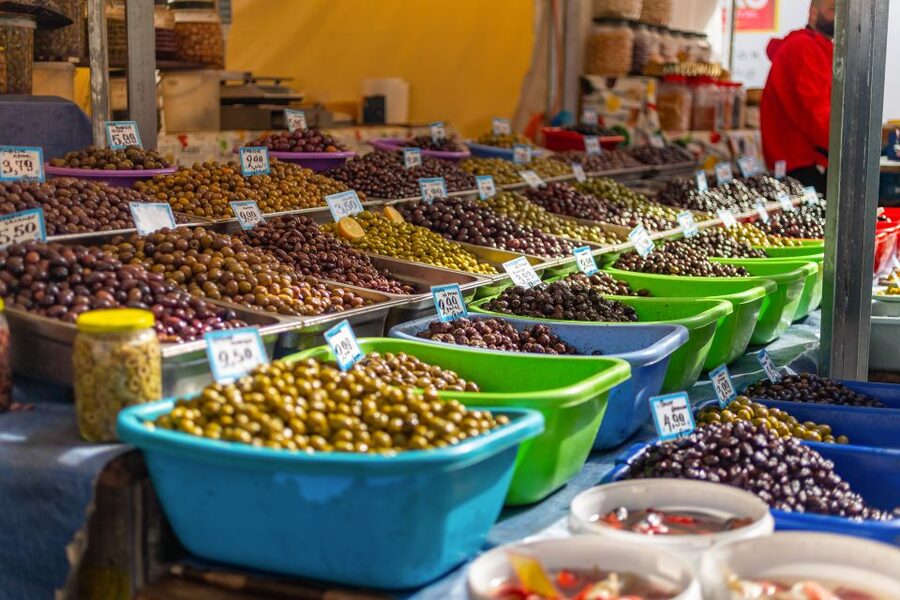
- Varvakios Agora shopping walk with your cook, plus quick chats with local traders
- Hands-on cooking of Greek classics you can repeat at home
- A teacher-led table setup where everyone participates, not just watches
- Full meal plus wine at the end, including a digestive liquor shot
- Dietary needs supported when you message in advance, including vegetarian and gluten-free/celiac care
Why this Athens cooking class feels like more than dinner
Athens has no shortage of great meals. The clever move here is that you start earlier, with ingredients. You do not just taste Greek food, you build it, from vine leaves to phyllo.
I like that the experience is structured but relaxed. You get a guided ingredient run, then a real class where your table becomes a mini kitchen crew. And because the menu is a mix of savory and sweet, you end with a full-satisfying meal, not just one snack.
The price, $81 per person for 4 hours, also makes sense when you add up what is included: all ingredients, a full-course meal, water, soft drinks, wine, and a complimentary shot of Greek digestive liquor, plus recipes. If you were paying separately for a cooking class, dinner, and drinks, it would usually cost far more.
More souvlaki counters and mezze stops in a row:
- Greek Food Walking Tour in Athens
★ 5.0 · 4,740 reviews - Athens: Street Food Tasting Tour
★ 4.9 · 3,343 reviews - Athens: Guided Greek Food Walking Tour with Tastings
★ 4.9 · 2,859 reviews - Small Group Greek Traditional Food Tour in Athens 20+ Tastings
★ 5.0 · 1,759 reviews
From Athinas 36 to Varvakios Agora: the market walk with a purpose
You meet at Athinas 36 at The Greek Kitchen on the 1st floor. It is a practical setup, because you can stash what you do not want to carry before heading out. That small thing matters in Athens, where you might be traveling with a bag and still need comfortable shoes.
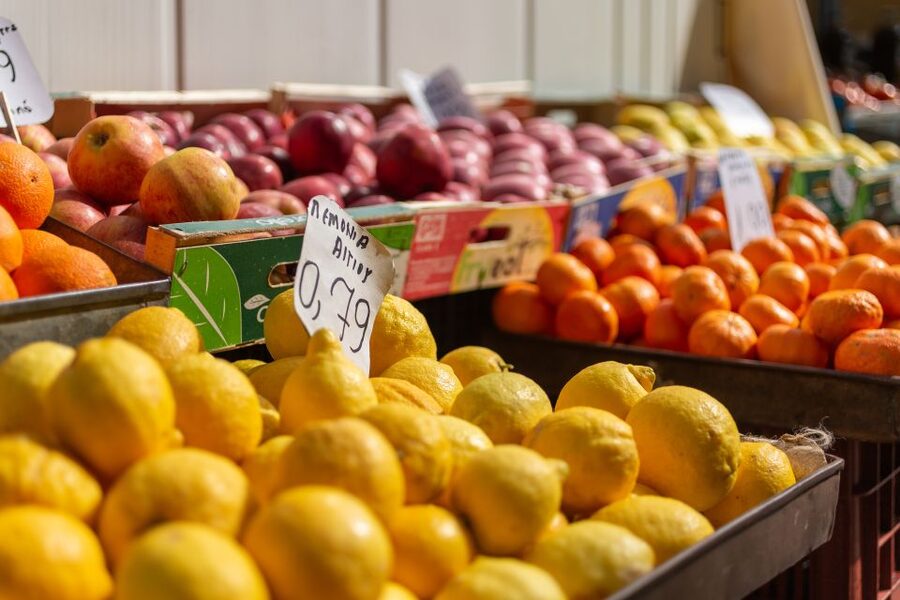
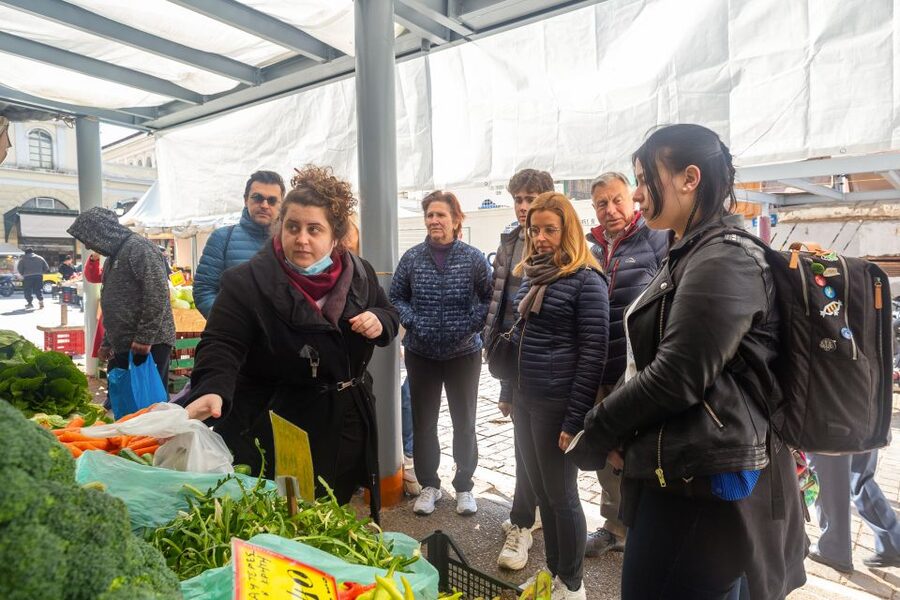
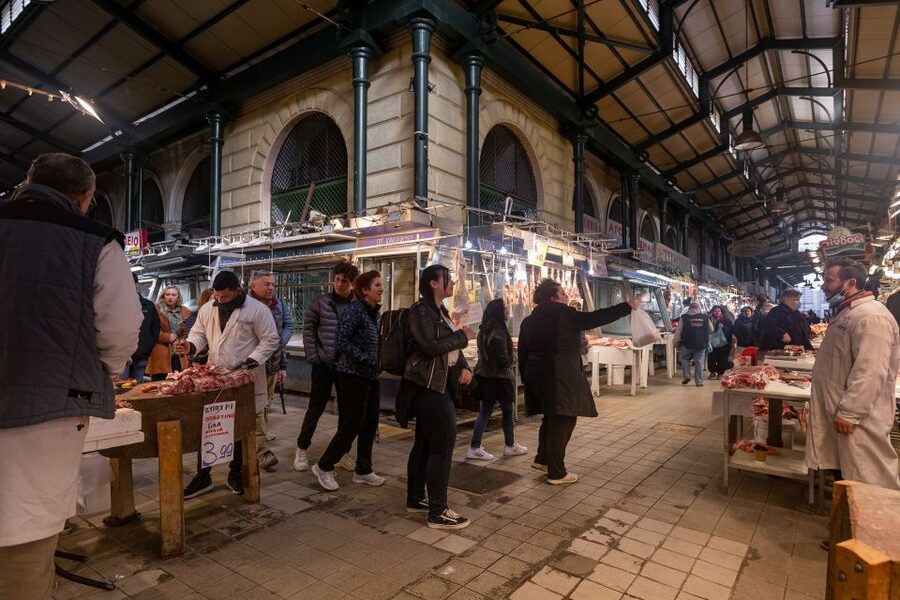
Then you head to Varvakios Agora, the central produce market in Athens. This is not a scripted “look at this, then this” tour, and that is a good thing. Your cook takes you on a shopping walk so you see how locals think about ingredients, seasonality, and what looks best right now.
What I found useful from the overall vibe of the class is that the market part is designed to connect directly to what you cook later. Afterward, the dishes are easier to remember because you actually picked the starting ingredients. One practical tip: wear breathable, comfortable clothing, and plan for a bit of walking.
And yes, consider the first stop if you are sensitive to certain sights. Some people who are vegetarian reported that the meat and fish market sections at the start could be a little off-putting. It sounds like the rest of the market experience and the shopping for produce and ingredients is where the session really shines, but go in with the right expectations.
The Greek Kitchen setup: where you actually learn
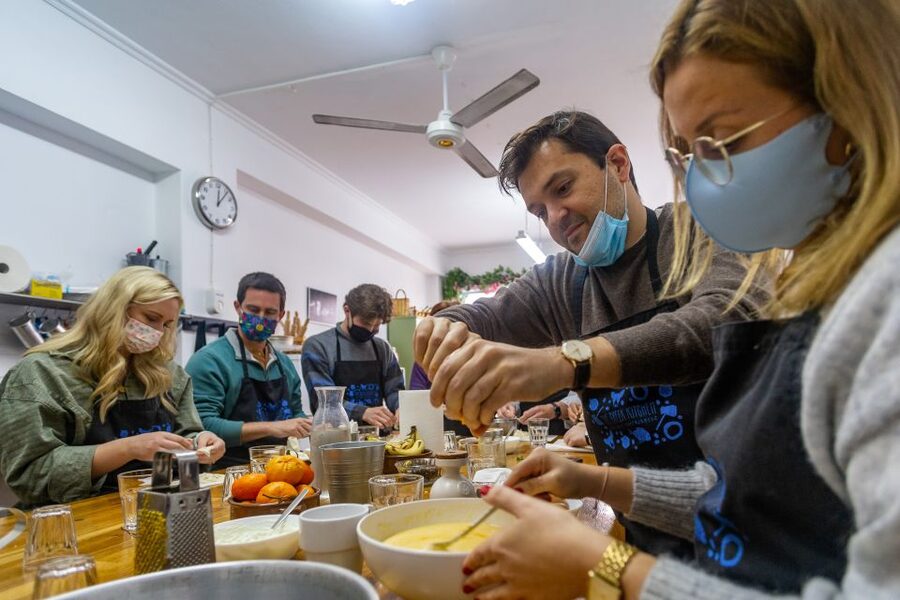
Back at The Greek Kitchen, the class shifts from street-level to hands-on. You start preparing the dishes together, with your cook guiding the steps and keeping the pace comfortable.
One detail that keeps showing up in the feedback is the teacher’s energy and attention. Whether it is Vasia or another instructor, the approach is interactive: people get involved, questions get answered, and the table format keeps everyone cooking instead of waiting their turn. In a few cases, groups can be around 13 to 15 people, split between two tables, so you still get teamwork without feeling lost.
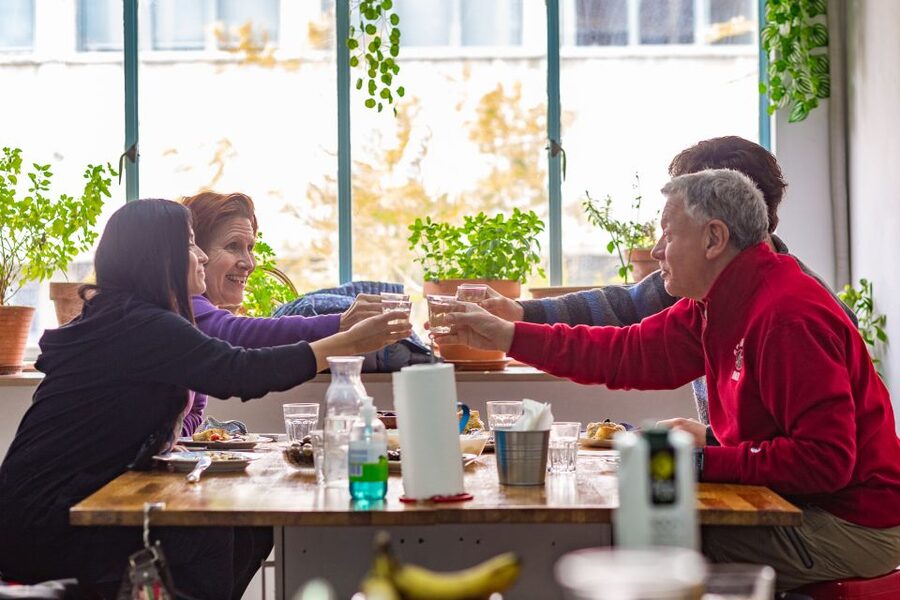
The kitchen space also seems designed for a real meal ending. The final portion is not just a quick bite. You relax, eat what you made, and drink what you are served, while someone else handles cleanup.
One small comfort note: seating may not be your favorite if you are sensitive to stiff chairs or stools. A few comments mentioned stools feeling uncomfortable after about an hour. If you know you will notice that, plan to take it easy during the first cooking stages and ask where you can stand briefly if needed.
The hands-on menu: what you cook and why it works
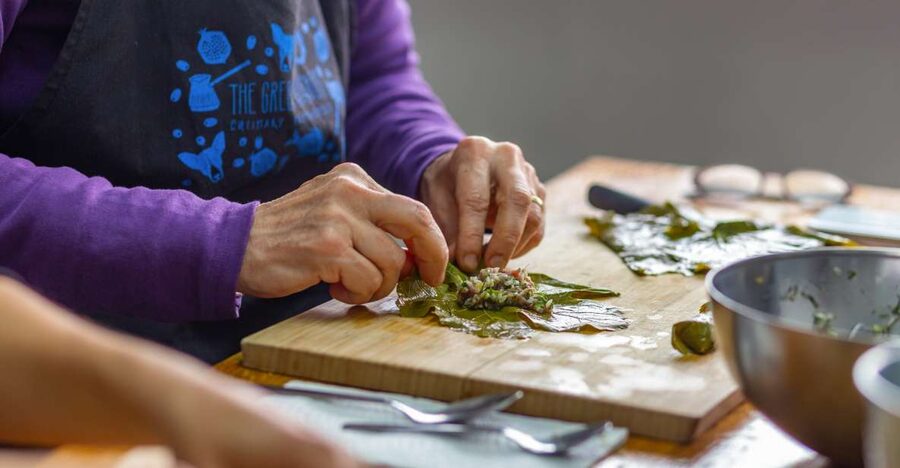
This class focuses on a smart mix of Greek staples. You are not trying to cook everything Greece has to offer. You are learning a set of dishes that represent different flavors and techniques, so your “Greek cooking kit” at home is more complete.
Dolmades: vine leaves and herb-infused rice
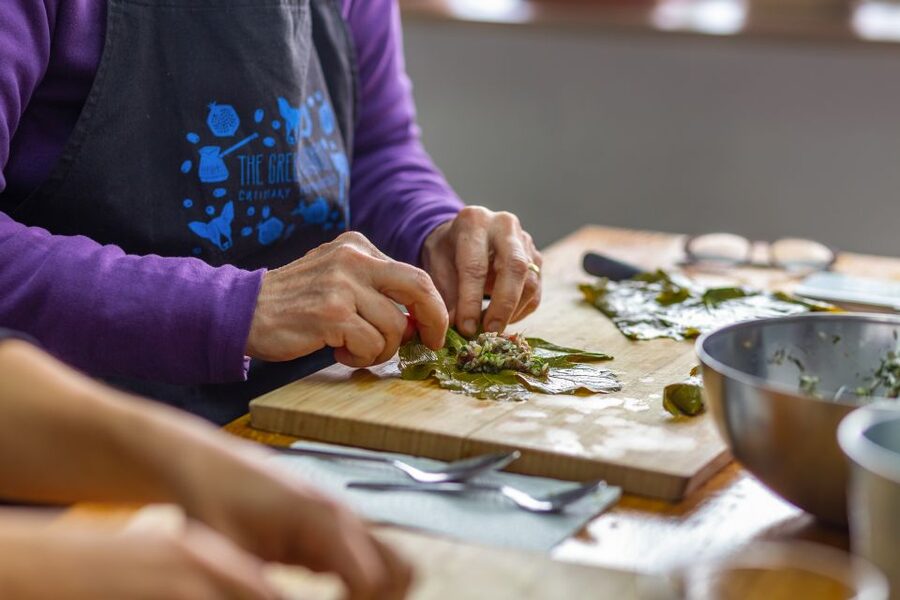
Dolmades are vine leaves wrapped around rice, usually with herbs. In this class, you learn how to roll and pack the filling so it cooks into tender, flavorful bites. You can add beef if you want, which gives the dish flexibility depending on your preference.
Why it is a great choice for a class: it teaches patience and precision. If you can wrap dolmades, you already have a useful technique for other rolled or stuffed styles.
More Athenian tavernas, ouzeri and counters:
- Athens Authentic Greek Food Walking Tour (Small Group)★ 5.0 · 809 reviews
- Athens Greek Food Tour Small-Group Experience★ 5.0 · 802 reviews
- Athens Evening Food Tour★ 5.0 · 766 reviews
- Get a Taste of Athens Food Tour★ 5.0 · 624 reviews
Spanakopita: spinach, feta, and pastry you can love
Spanakopita is the spinach pie that shows up everywhere in Greece. Here, it is built around spinach plus salty feta, wrapped in pastry.
This is one of those dishes that feels intimidating until you see the process. Once you assemble it at your table and taste it, it becomes less mysterious and much more repeatable.
Imam Baildi: roasted eggplant with a rich topping
Imam baildi is a Greek eggplant dish often topped with a rich sauce and feta. You learn how to handle the eggplant and build the topping, which makes the dish feel substantial but still vegetarian-friendly.
If you think eggplant is only for people who like bland sides, this is the dish that can change your mind. Eggplant becomes soft and sweet when cooked well, then gets punch from the savory topping.
Tzatziki: the classic yogurt-cucumber-garlic sauce
Tzatziki is the Greek sauce that never really needs an introduction. In this class, you make it with Greek yogurt, cucumber, and garlic.
Tzatziki is also a confidence booster. It is straightforward, tastes great immediately, and you can use it for everything later: sandwiches, grilled vegetables, chips, and as a yogurt sauce for almost any casual meal.
Portokalopita: orange, cinnamon, and phyllo magic
Portokalopita is an orange dessert made with phyllo pastry, oranges, and cinnamon. It is sticky and soft, and it has the kind of flavor that makes people ask for one more bite.
The benefit of including a dessert is simple: you finish with a sweet note that is distinctly Greek, not generic “cake with frosting.” If you master the basics of phyllo assembly and the citrus-cinnamon flavor direction, you will be able to recreate the vibe at home even if you do not copy every step exactly.
Drinking with dinner: wine, soft drinks, and a digestif shot

The class ends with a meal served with water, soft drinks, wine, and a complimentary shot of Greek digestive liquor. Wine is described as local organic, which means you are not just being handed something random.
A digestive liquor shot is a very Greek way to close a meal. It is not necessary for taste, but it becomes part of the ritual. The practical win for you is that it signals the experience is built like a true dining event, not just a cooking workshop.
If you plan to do a lot of walking after, keep pace with water. You will be eating, drinking, and probably taking the short trip back into the city afterward.
Timing, pace, and what to wear in Athens heat
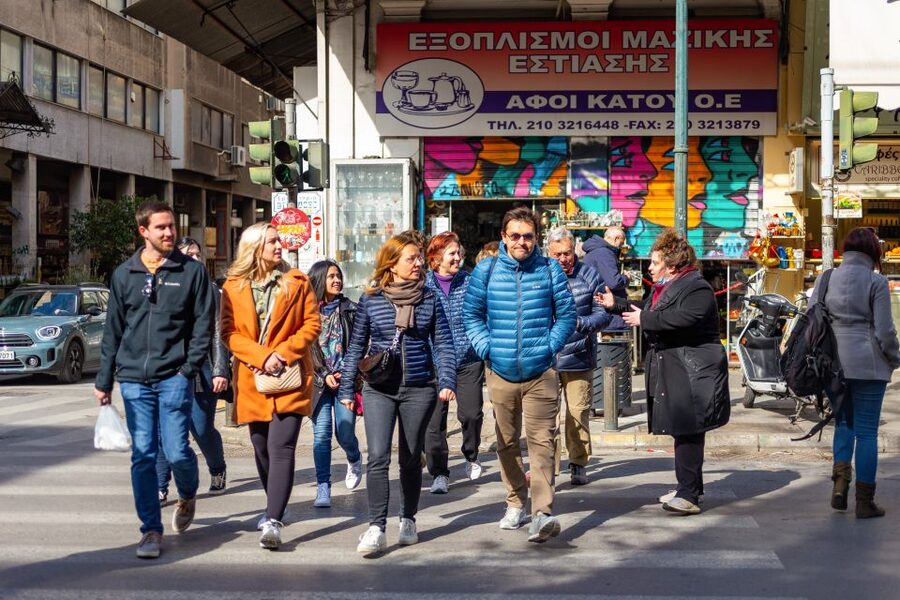
Classes run in two daily options: a morning class at 9:30 AM and an afternoon class at 3:00 PM. The duration is 4 hours, so you can fit it around sightseeing without losing your whole day.
There is 30 minutes of walking during the tour, which is not long, but it is real. Bring comfortable shoes and dress weather-appropriate. Athens can be warm, and you will be on your feet more than you think if you are planning other stuff that same day.
You should also bring a refillable bottle of water, and you can fill it at the studio. It is a small thing, but it saves money and keeps you from dealing with thirsty gaps between stops.
Language is English and Greek, so you will get clear instruction even if you do not speak Greek.
Dietary needs: how to make the class work for you
The kitchen says it is happy to cater to dietary needs if you contact them in advance via the messaging feature. That matters, because last-minute changes are harder in a small cooking setup.
In real terms, that seems to include vegetarian accommodations. Multiple comments mention vegetarian treatment as smooth and considerate. There are also notes about gluten-free and celiac-style care, including extra attention to preventing cross contamination by preparing separate dishes.
What I recommend: message your needs early, even if you think it is simple. Tell them exactly what you avoid (meat, fish, dairy, gluten, eggs), so your cook can plan ingredient swaps and table setup.
Who should book this, and who might want a different day plan
This class is ideal if you want two things at once: a real taste of Athens food culture plus a recipe you can bring home. You also get a social element, since the cooking is interactive and the group format creates easy conversation.
It is especially good for:
- Food lovers who want to go beyond eating and actually learn
- People who enjoy structured activities with a warm, home-cook feel
- Visitors who like market ingredients because you can connect what you buy to what you eat
You might reconsider if:
- You are very sensitive to meat and fish sections at the start of the market walk, since the early market area can feel uncomfortable for some vegetarian diners
- You struggle with long sitting periods, since stools can feel uncomfortable for at least some participants after a while
Overall, this feels like a good fit for first-timers to Athens, because it gives you a starting point. You will likely recognize dish flavors later when you see them on menus around town.
Price and value: why $81 for 4 hours adds up
Let’s do the practical math in your head. You are paying $81 per person for a 4-hour guided experience that includes:
- A market visit with your cook
- All ingredients for the cooking class
- A full-course meal
- Water, soft drinks, wine, and a digestive liquor shot
- Recipes to take home
If you priced this as a standalone dinner plus drinks plus a separate class, the total would typically climb fast. The included alcohol also matters. Many cooking classes let you taste, but do not always include wine and a digestif shot.
So for me, the value comes from the bundle effect. You are not just buying a lesson, you are buying the meal experience and the ingredients education, with an instructor guiding the whole thing.
Should you book this Athens market and cooking class?
If you want an Athens experience that is hands-on, food-focused, and genuinely fun, I think this is an easy yes. The market walk at Varvakios Agora helps you understand the ingredients before you cook them, and the menu is balanced enough that you leave satisfied and confident.
Book it if you are excited to cook Greek classics like dolmades, spanakopita, tzatziki, imam baildi, and portokalopita, and if you like learning from an instructor who takes pride in teaching. Just plan your shoes, bring water, and if you are vegetarian and sensitive to meat and fish areas, go in with that knowledge so it feels manageable rather than stressful.
An Athenian Kitchen, Apron Waiting
- Athens: Greek Cuisine Cooking Class and 3-Course Dinner
★ 4.8 · 270 reviews - Traditional Greek cooking class and lunch or dinner with an Acropolis view
★ 5.0 · 250 reviews - Athens Greek Cooking Class Pita Gyros from Scratch with a Local
★ 5.0 · 175 reviews - Athens: Greek Cooking Class with Meal and Drinks
★ 4.9 · 171 reviews
An Athenian Bench for the Morning
- Athens: Classic Cooking Class with Market Visit and Wine
★ 5.0 · 1,101 reviews - Greek Cooking Class in Athens Including Rooftop Dinner with Acropolis View
★ 5.0 · 826 reviews - Greek Small-Group Athens Cooking Class & Dinner
★ 5.0 · 574 reviews - Athens: Greek Cooking Class & Dinner on a Rooftop
★ 5.0 · 383 reviews
Latest from under the Acropolis







Food Tours, compared.


Small Group Greek Traditional Food Tour in Athens 20+ Tastings
Read our review →
Athens Authentic Greek Food Walking Tour (Small Group)
Read our review →
Athens Greek Food Tour Small-Group Experience
Read our review →

Browse the lists this tour appears in