
Reviewed · FOOD TOURS
Athens: The Classic Food Tasting Tour
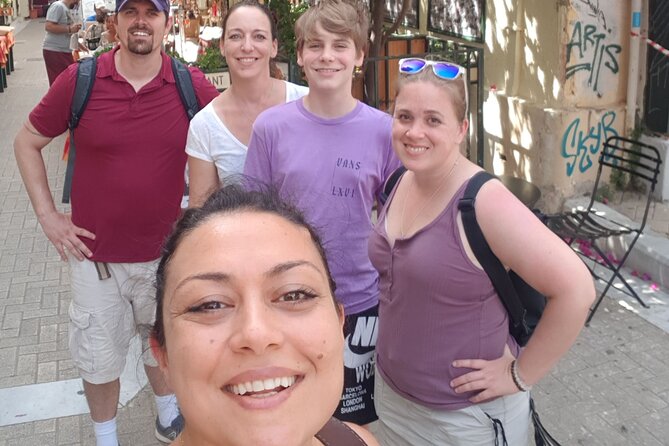
18 bites, and Athens makes sense fast. This classic food tasting tour in central Athens strings together old-district streets and shopfronts with tastings you actually remember, especially mpougatsa and the sand-heated Greek coffee. I also like how the tour is built around variety, not just one style of snack. One heads-up: it is a lot of walking and a lot of food, so plan smart, wear comfy shoes, and do not overeat beforehand.
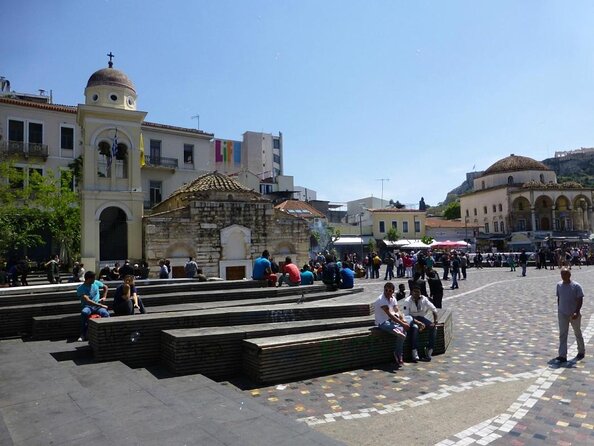
You meet at Monastiraki Square in front of the little church, easy to reach via the green or blue metro line, and you stay in a small group limited to 10. Guides such as Lef, Elias, Joanna, Maria, Ioanna, Katarina, and Kostas are frequently praised for mixing food with local context, plus patient, clear English or German. If you want Athens food culture without feeling like you are wandering randomly with a full stomach before you even start, this is a strong choice.
In This Review
- Key things that make this Athens food tour work
- Why this tour feels like Athens, not a food checklist
- Meeting point and walking plan, what to expect minute by minute
- Omonia opening tastes: yogurt, pastries, and a coffee you can smell
- Varvakios Market: where the real shopping energy teaches you what to buy
- The mpougatsa stop: one of Athens’ most comforting bites
- Goat milk ice cream, Greek recipe roots with an innovative twist
- Cretan flavor round: cheese, olives, rusks, olive oil, plus raki culture
- Koulouri sesame pastry: the classic Athens street snack
- The finish: mezze style with tsipouro
- Price and value: is $80 for a 3 to 3.5-hour food tour worth it?
- Guides that make or break a food tour, and what stands out here
- Who should book this Athens classic food tasting tour
- Practical tips before you go: shoes, sun, allergies, and appetite
- Should you book this tour?
- FAQ
- Where is the meeting point for the Athens Classic Food Tasting Tour?
- How long is the tour?
- What is included in the price?
- Is site entry included?
- How big is the group?
- Is the tour wheelchair accessible, and what should I bring?
Key things that make this Athens food tour work
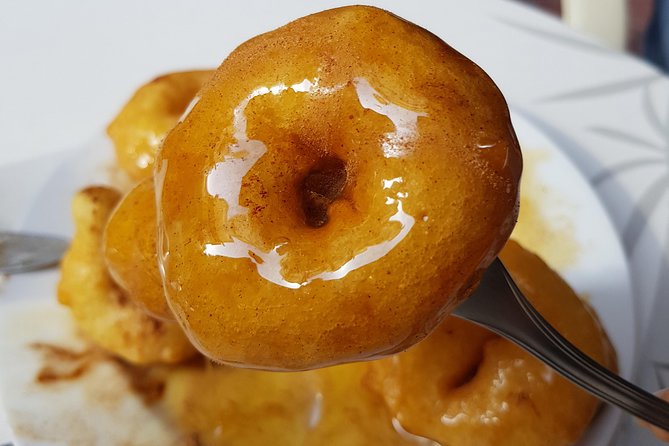
- Old bakery comfort food, done traditionally with mpougatsa in flaky fyllo pastry plus cheese or crème options.
- Greek coffee show-and-tell, including coffee prepared using a sand-heating method.
- Goat milk ice cream with a Greek-recipe base, served through a more creative tasting approach than you might expect.
- Varvakios Market and classic meze culture, including cheese, olives, rusks, olive oil, wine, and ending with tsipouro-style mezze.
- Cretan-focused tasting round, where you get a clear feel for how Cretan flavors differ from mainland classics.
Why this tour feels like Athens, not a food checklist
Athens can be overwhelming when you are trying to find the real stuff. This tour helps you do two things at once: get your bearings in the central neighborhoods and learn what Greeks actually snack and drink in everyday life.
The big value is pacing. Over about 3 to 3.5 hours, you hit multiple small stops, tasting more than 18 delicacies, rather than sitting through one long meal. That makes it ideal for your first day, or anytime you want local flavor without committing to a full restaurant experience.
The included price also matters. At $80 per person, you are paying for an expert licensed guide, water, and the full set of tastings. You are not also paying extra for museum or site entry since those are not part of the program. In practical terms, you get a guided “taste map” of central Athens food culture.
More souvlaki counters and mezze stops in a row:
- Greek Food Walking Tour in Athens
★ 5.0 · 4,740 reviews - Athens: Street Food Tasting Tour
★ 4.9 · 3,343 reviews - Athens: Guided Greek Food Walking Tour with Tastings
★ 4.9 · 2,859 reviews - Small Group Greek Traditional Food Tour in Athens 20+ Tastings
★ 5.0 · 1,759 reviews
Meeting point and walking plan, what to expect minute by minute
You start at Monastiraki Square, right in front of the little church. From there, you move around on foot in central Athens, bouncing between classic neighborhoods and food stops. The itinerary is designed to be efficient rather than scenic, meaning you will cover ground, learn what to look for, then eat at the right moments.
The group stays small, capped at 10 participants, which usually keeps things from getting too chaotic at tasting counters. You will also get better conversation with the guide. Many guides are called out for being attentive, patient, and good at answering questions without rushing people.
Still, this is not a sit-and-sip tour. Wear comfortable shoes, and treat it like a walk with frequent food rewards. And if you tend to get overwhelmed by crowds, the small size helps. If rain is in the forecast, expect you may get wet; bring a basic cover if you have one.
Omonia opening tastes: yogurt, pastries, and a coffee you can smell
The tour typically begins at Omonia with refreshing Greek yoghurt and traditional pies and pastries. This is a smart opener because it sets the baseline flavors early: dairy tang, flaky dough, and simple fillings that show up again and again in Greek eating.
Right after that, you move into Greek coffee from a local favorite. One highlight is the sand-heating preparation method, which is part show, part ritual. You see the process, you learn what makes the taste different, and then you get to compare it to what you have had elsewhere.
Why I think this start is valuable: you learn the building blocks early. By the time you reach the markets and deli-style tasting stops, you can tell when something is buttery, when it is herb-forward, and when it is salty-sour from olives and cheese.
Varvakios Market: where the real shopping energy teaches you what to buy
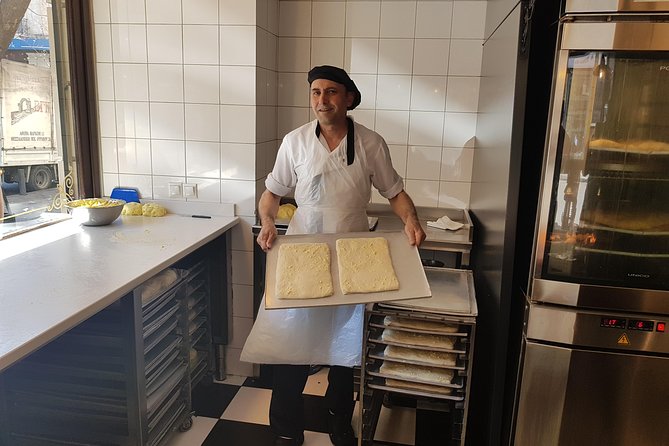
Next comes a stroll to Varvakios food market, one of the best places in central Athens to understand how Greek ingredients move from counter to kitchen. This is not just a photo stop. The guide uses the market environment to explain what kinds of products matter and why.
You will likely pass stalls for fresh vegetables and fruit, and also see the food-business side of Athens: the display, the labeling, and the rhythm of vendors working. Even if you do not buy anything, this helps you later in restaurants and shops, because you start recognizing ingredient names and what they taste like.
The tasting sequence builds on this. After the market context, you head into boutique deli items and classic flavors you can find across Greece, including olive oil and olives, traditional rusks, and Greek wine.
The mpougatsa stop: one of Athens’ most comforting bites
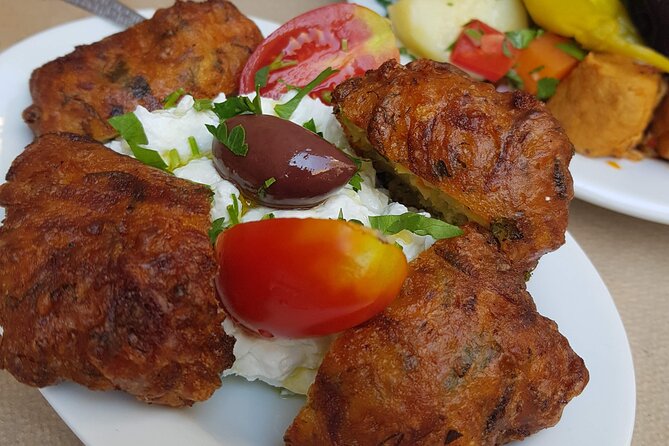
One of the top moments on this tour is visiting the oldest mpougatsa bakery and tasting traditional mpougatsa made with fyllo pastry plus cheese or crème.
This is comfort food that also teaches you technique. Fyllo brings crisp layers, and the filling gives you that hot, creamy contrast. Mpougatsa is not just a snack, it is a Greek “home-style” dish with a strong identity. Getting it from an established bakery adds authenticity, and having it as an early tasting also makes later dairy and pastry flavors easier to spot.
Practical tip: take your time with this bite. It can be warm and filling, so pace yourself for the next tastings. Also, if you have dairy sensitivities, let your guide know at the start so the tour can guide you toward options that make sense for you.
More Athenian tavernas, ouzeri and counters:
- Athens: Food Market Visit and Cooking Class with Wine★ 4.9 · 1,087 reviews
- Athens Authentic Greek Food Walking Tour (Small Group)★ 5.0 · 809 reviews
- Athens Greek Food Tour Small-Group Experience★ 5.0 · 802 reviews
- Athens Evening Food Tour★ 5.0 · 766 reviews
Goat milk ice cream, Greek recipe roots with an innovative twist
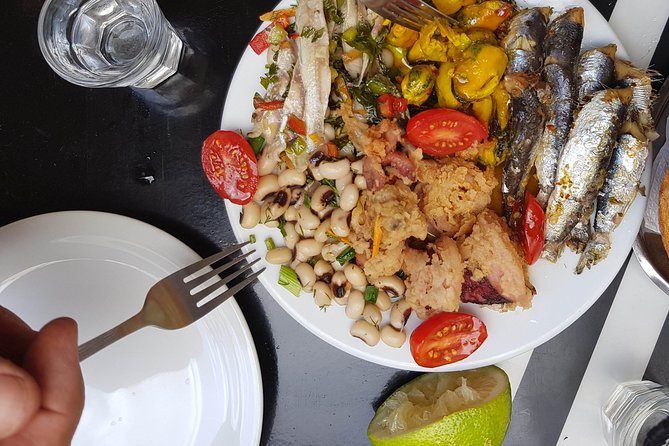
Another standout is the goat milk ice cream. The tour frames it as made through a traditional Greek recipe, then served in a way that feels more playful and innovative than a typical scoop-and-walk.
Why this works on a food tour: goat milk ice cream can be a different flavor profile than the standard cow-milk version you might be used to. It is a chance to taste a regional ingredient and still end with something sweet and satisfying, right in the middle of the day’s savory sequence.
If you like food experiences where the guide explains what makes an ingredient special, this stop tends to land well. It is also a useful reset for your palate before you move into olive, rusk, wine, and raki territory.
Cretan flavor round: cheese, olives, rusks, olive oil, plus raki culture
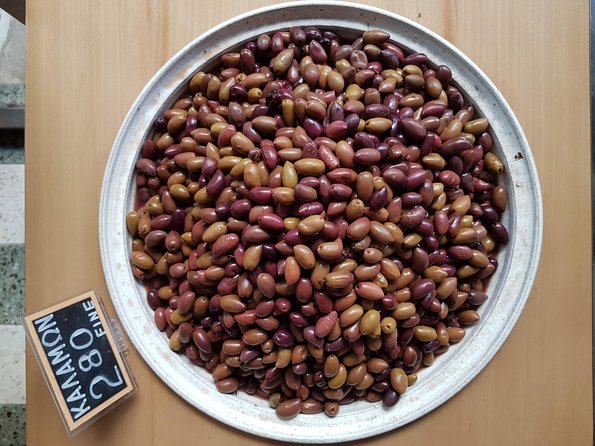
This tour does a nice job of connecting Athens eating habits to broader Greek regional culture, especially through a Cretan-themed tasting round.
You get tastings that can include Cretan cheese, olives, rusks, olive oil, and you also explore the “Greek way” of finishing a food moment with raki. In Greece, that social drink culture often comes with mezze style sharing, and the guide’s job is to connect the flavors to how people actually spend time together.
What you should pay attention to here is balance. Greek olives and olive oil bring salt, bitterness, and fruitiness. Rusks add a sturdy crunch. Cheese ties it together with creamy or salty depth. Once you taste them in combination, the flavors start making sense as part of a larger eating pattern, not random bites.
This is also where the tour can be especially helpful if you want souvenirs that taste like Greece. Since you learn what goes with what, you will be more confident buying edible gifts later.
Koulouri sesame pastry: the classic Athens street snack
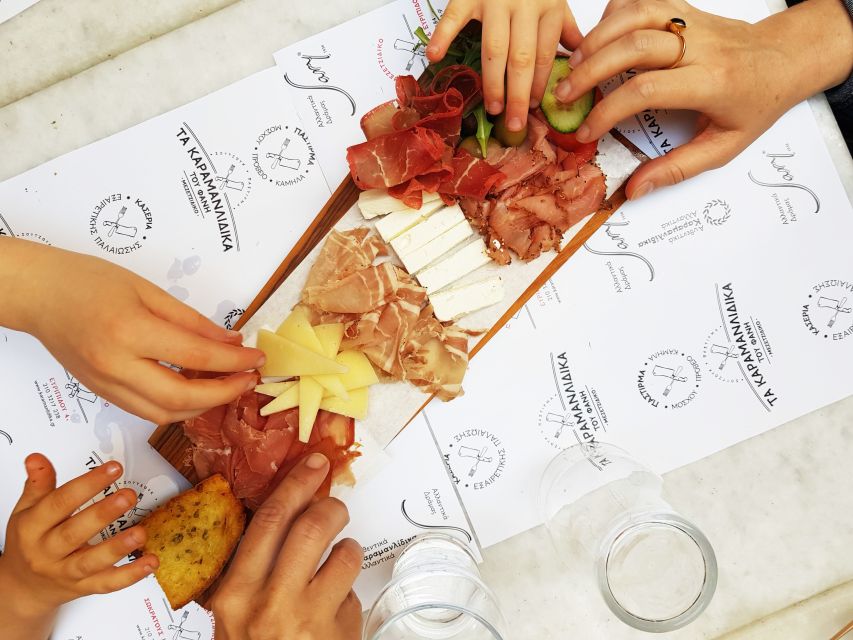
Toward the later part of the walk, you try koulouri, the sesame pastry that is as “Athens” as you can get without referencing a monument. It is simple, portable, and built for moving around the city.
On a tour like this, koulouri is useful because it adds a street-food texture after the more formal deli style tastings. It also helps you understand why Greek snack culture works: quick breads and pastries paired with drinks and small bites.
If you get a lot of sweets earlier, this stop can also feel like a mild break. If you are salt-and-crunch person, it can be a relief after richer dairy tastes.
The finish: mezze style with tsipouro
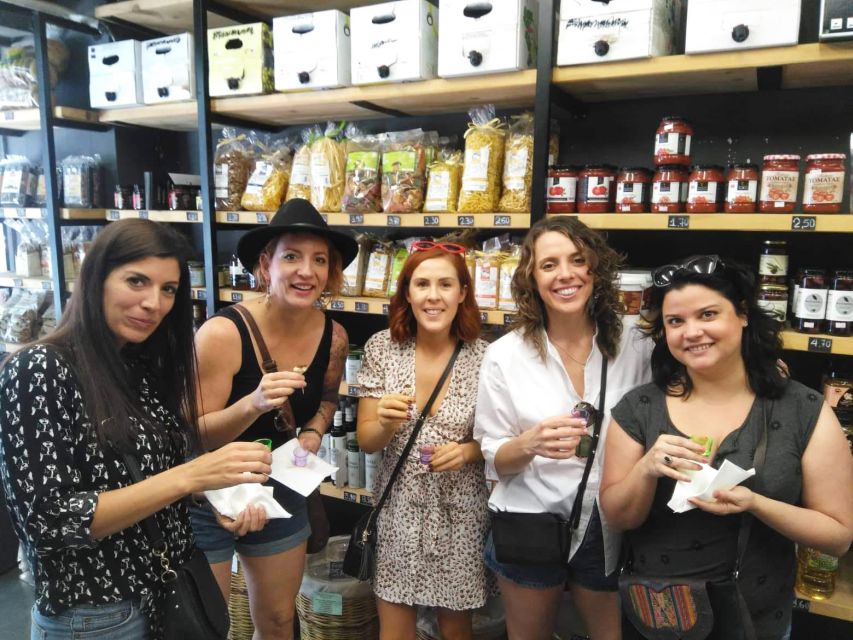
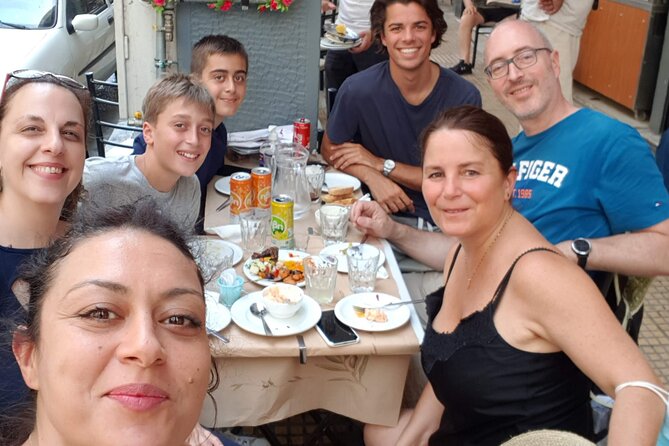
The tour often ends with a fitting Greek moment: mezze with tsipouro. This final stop is where the “food tour” becomes a cultural experience. You get a sense of how people linger, share, and eat in small portions while a drink keeps the vibe going.
Tsipouro is a strong spirit, so your guide’s pacing matters. The tasting format should let you enjoy without feeling knocked out. Think of it as a cultural punctuation mark, not a party bus.
This ending is also a good reason to do the tour earlier in your trip. You will learn what meze means in practice, so later dinners feel less intimidating. You also start knowing what to ask for when you sit down at a tavern.
Price and value: is $80 for a 3 to 3.5-hour food tour worth it?
At $80 per person for 3 to 3.5 hours, you are paying for three big things:
- A guide who organizes tastings across multiple shops and markets
- A controlled pace of 18-plus food samples
- The food itself, plus bottle water
If you tried to recreate this on your own, you would likely spend similar money just on one or two restaurant meals, and you would still miss the guided part: the why behind each bite and the order that helps your palate learn.
The only real cost is time and appetite planning. If you show up hungry, you will probably feel happy by the end. If you show up too full, you might struggle, because the tasting volume is the point. Many people explicitly recommend not eating beforehand because the portions and variety add up fast.
Guides that make or break a food tour, and what stands out here
A food tour lives or dies on the guide’s delivery. This one tends to score high because guides are repeatedly praised for:
- Mixing stories with actual food details
- Staying patient and hospitable with different ages and appetites
- Explaining what you are tasting and why it matters
- Keeping energy up while the group keeps eating
Names that come up again and again include Lef, Elias, Joanna, Maria, Ioanna, Katarina, Phillip, Costas, Eva, and Kostas. The consistent theme is personality plus clarity, not just reciting facts.
If you like a tour where you can ask questions and get real answers about ingredients, you are likely to enjoy this format. And if you prefer calm guidance over chaos, the small group size helps.
Who should book this Athens classic food tasting tour
This tour fits best if you:
- Want a first-timer’s Athens food orientation without researching every stop
- Like market and street-food culture, not just restaurant dining
- Enjoy learning about regional differences, like the Cretan tasting round
- Prefer a small-group walking experience, capped at 10 people
It might be less perfect if you:
- Dislike walking for a few hours
- Have a sensitive stomach and cannot tolerate multiple tastings
- Need very strict food accommodations, since the itinerary is built around set tastings and you will need to coordinate with the guide ahead of time
If you are traveling as a couple, with friends, or even solo, it can work well because the guide keeps the pacing and conversation moving.
Practical tips before you go: shoes, sun, allergies, and appetite
Because this is a walking tour, start with your body basics:
- Wear comfortable shoes
- Bring sunscreen and a hat, since you are outdoors much of the time
- Tell the guide about any allergies and digestive disorders before you begin
Appetite planning is the biggest make-or-break. You will sample a lot across pastries, dairy, savory items, drinks, and sweets. Many people treat this as a full meal experience. So come ready, and save your second breakfast for later.
If it rains, dress smart. The tour is outdoors between stops, so even a light shower can change your comfort level. A small umbrella or rain layer can save the day.
Should you book this tour?
I think you should book this Athens classic food tasting tour if you want your money to translate into real food and real local context in a short window. The $80 price makes sense because you get the guide, the structure, and the tastings, not just a walking route. The highlights, like mpougatsa from an established bakery, sand-heated Greek coffee, goat milk ice cream, and ending with mezze and tsipouro, give you a well-rounded Athens flavor story.
Skip it only if you dislike walking, cannot handle lots of food in one session, or need major dietary substitutions. Otherwise, this is one of the best ways to understand Athens eating culture fast, while still having fun with it.
If you are only choosing one food-focused activity in central Athens, this is the one I would put at the top of your list.
FAQ
Where is the meeting point for the Athens Classic Food Tasting Tour?
Meet at Monastiraki Square in front of the little church. It is reachable via the green or blue metro line.
How long is the tour?
The duration is about 3 to 3.5 hours.
What is included in the price?
The tour includes an expert licensed guide, a bottle of water, and all the food you taste during the tour.
Is site entry included?
No. Entry in sites and museums is not included.
How big is the group?
The group is small, limited to 10 participants.
Is the tour wheelchair accessible, and what should I bring?
Wheelchair accessibility is available. Bring comfortable shoes, and wear sunscreen and a hat. Let the guide know about any allergies and digestive disorders.
Latest from under the Acropolis







Food Tours, compared.


Small Group Greek Traditional Food Tour in Athens 20+ Tastings
Read our review →
Food Market Visit and Cooking Class with Wine
Read our review →
Athens Authentic Greek Food Walking Tour (Small Group)
Read our review →
Athens Greek Food Tour Small-Group Experience
Read our review →
Browse the lists this tour appears in