Reviewed · TOURS
Unexpected Athens Orientation Tour
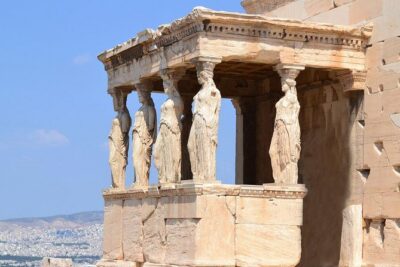
Athens feels different after 4 hours on foot. This unexpected walking orientation connects ancient threads to modern European Athens, mixing landmark architecture with neighborhood streets so you understand what shaped the city you see today. I like that the tour is built like a timeline you can actually walk, not a quick photo stop parade.
Two things I really love: first, the route pushes past the usual postcard sights and shows how Psiri and Monastiraki reflect the Ottoman-era footprint inside a modern capital. Second, the guides I’ve seen recommended, like Simos and Andreas, stay engaged and keep the pacing smooth so you keep moving without feeling rushed.
One possible drawback to plan for: this is a walking tour, so comfortable shoes matter. Also, the WWII prison descent is closed on Monday and Tuesday, so if your dates fall then, you will need to go in with flexible expectations for that specific stop.
In This Review
- Key highlights you should know before you go
- Why this Athens orientation walk feels different from the usual highlights
- Meeting points and the 4-hour route from Syntagma or Kolonaki
- Kolonaki and Exarcheia: how 19th-century Athens became a political capital
- Psiri and Monastiraki: Ottoman footprints inside modern Athens
- The WWII prison descent: powerful stop, check your day
- Ancient rivers still moving and tombs from a lost era
- 19th-century landmarks, royal palaces, and architecture with international ties
- Why the guide makes or breaks this walking tour
- Price and value: $62 for 4 hours that connect the city
- Tips to enjoy the walk and not get stuck
- Should you book this unexpected Athens orientation tour?
- FAQ
- How long is the Unexpected Athens Orientation Tour?
- How much does the tour cost?
- Where does the tour start?
- How long do you spend in each area?
- What language is the guide in?
- Is the WWII prison stop included?
- What should I bring?
- What is included in the price?
- Are food and drinks included?
- What is the cancellation policy?
Key highlights you should know before you go
- Two start options at Syntagma Square or Kolonaki, so you can pick what fits your day
- 19th-century capital sights tied to real government and education buildings like the Parliament area, Academy, University, and National Library
- A WWII prison descent that adds real weight to the story, with a closure on Mondays and Tuesdays
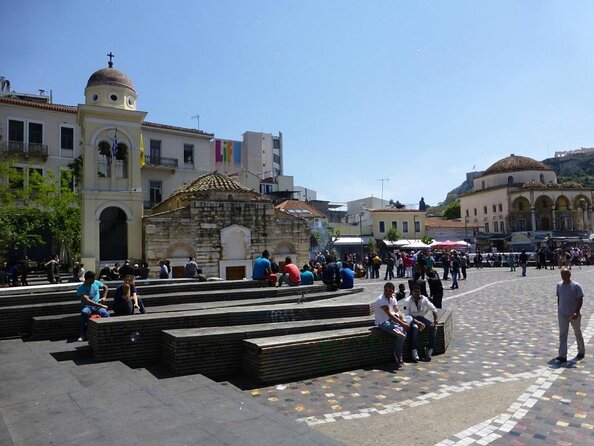
- Ottoman neighborhoods on the ground in Psiri and Monastiraki, where the past is still visible in street patterns and buildings
- Neighborhood squares and markets along the way, including Omonia Square and Kotzia Square, to show how Athens works now
- A city map that highlights transformations across 2,500 years, so you can keep connecting the dots after the walk
Why this Athens orientation walk feels different from the usual highlights
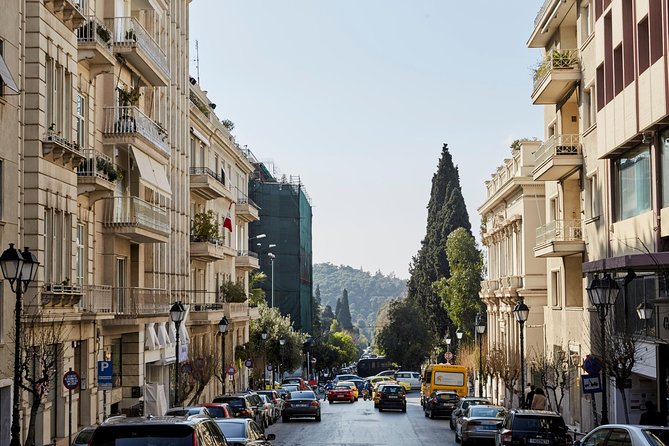
If you want Athens in one afternoon, most tours give you a list. This one gives you a sense of how the city grew, fractured, and remade itself. Athens stretches back over 3,400 years, and this walk focuses on the missing link between ancient greatness and the fast, modern streets you’re standing in today.
What makes it click is the way the guide threads East and West influences through what you see. You are not only looking at old stones. You’re learning why the modern capital looks the way it does, and how later periods layered onto older parts of the city.
Another practical reason I like it: it is a 4-hour walking orientation priced at $62 per person. That may sound modest, but you are paying for guided time, a route that covers multiple neighborhoods, and a map meant to help you keep learning once you’re back out on your own.
Before you book, here is what else runs from Athens:
- Athens: Acropolis & up to 5 Archaeological Sites Combo Pass
★ 4.2 · 13,904 reviews - Athens: Acropolis, Parthenon & Acropolis Museum Guided Tour
★ 4.8 · 9,316 reviews - The Acropolis, Parthenon & Acropolis Museum Guided Tour
★ 4.7 · 8,493 reviews - Athens: Cape Sounion & Poseidon Temple Sunset Half-Day Trip
★ 4.8 · 8,241 reviews
Meeting points and the 4-hour route from Syntagma or Kolonaki
You can start either at Syntagma Square or Kolonaki. That flexibility matters if you are staying near the center and want to reduce transit time before the walk begins.
From there, the walk is organized in guided blocks that keep the story moving:
- Kolonaki gets about 1 hour
- Exarcheia gets about 1 hour
- Psiri gets about 1 hour
- Monastiraki gets about 30 minutes
- You finish at Monastiraki Square
So yes, you’re on your feet for most of the experience. But because the tour is broken into neighborhood-sized chunks, it does not feel like one long blur. If you like structure, this is a good setup.
One detail worth noting: the meeting point may vary based on the option you book. When you confirm, make sure you read the exact spot for your start choice so you are not playing guessing games while you’re trying to meet up with the group.
Kolonaki and Exarcheia: how 19th-century Athens became a political capital
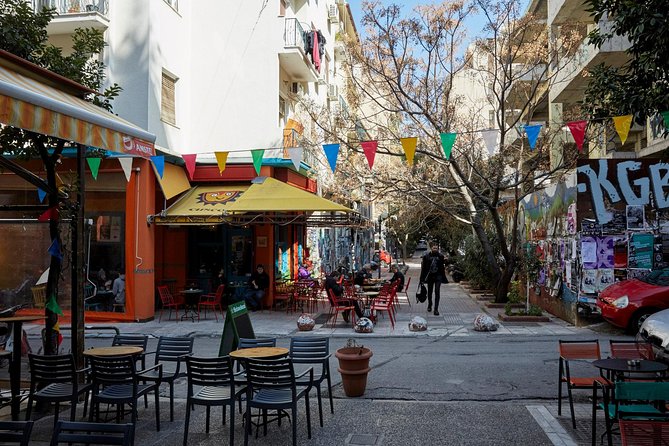
Kolonaki and Exarcheia are where the tour leans into the idea of Athens as a European capital, not just an ancient site. You’ll see landmark buildings with international architectural interest, and the guide connects the dots between power, institutions, and the city’s makeover in the 19th century.
Expect stops and explanations around major civic and educational anchors, including:
- the Parliament
- the Academy
- the University
- the National Library
The value here is not just seeing big buildings. It’s learning their role in shaping the city’s modern identity. Athens did not become the capital you know today by accident. These institutions helped formalize the city’s place in the wider European world, and the guide makes that link feel logical.
In Exarcheia, you get that same story approach, just through a different part of the map. Even without a museum ticket, you start to feel how neighborhoods behave differently, how streets guide your attention, and how the city tells different stories block by block.
Psiri and Monastiraki: Ottoman footprints inside modern Athens
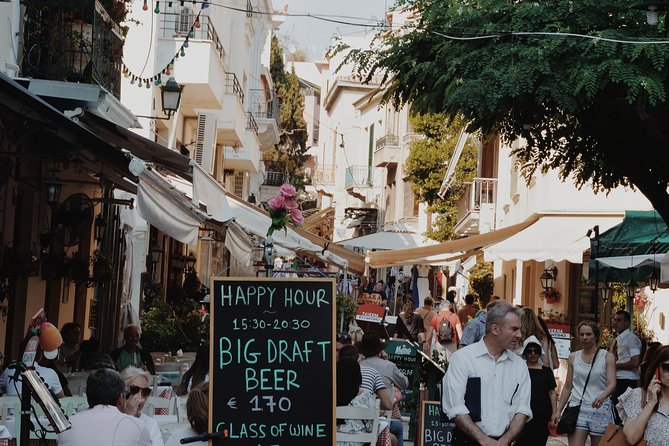
This is where the walk changes gears in a way I think many people will enjoy, especially if you already know the basic ancient highlights. In Psiri and Monastiraki, you walk through areas where the Ottoman Empire’s presence is still readable in the urban fabric.
The tour calls this out clearly: preserved Ottoman neighborhoods, plus the comparison between traditions of the old city and how Western European values and ideas tried to fit in, or did not.
Practically, what this means for you is that you will be paying attention to the city as a set of patterns:
- street layouts
- building character
- how daily life works in central districts
You also pass through major squares and busy intersections that help you understand how Athens functions now, including Omonia Square and Kotzia Square, plus the central markets area. Even if you do not plan to shop, markets and squares are where you learn what a neighborhood is like at street level.
If you like discovering Athens by walking its in-between spaces, this portion is the heart of the tour.
The WWII prison descent: powerful stop, check your day
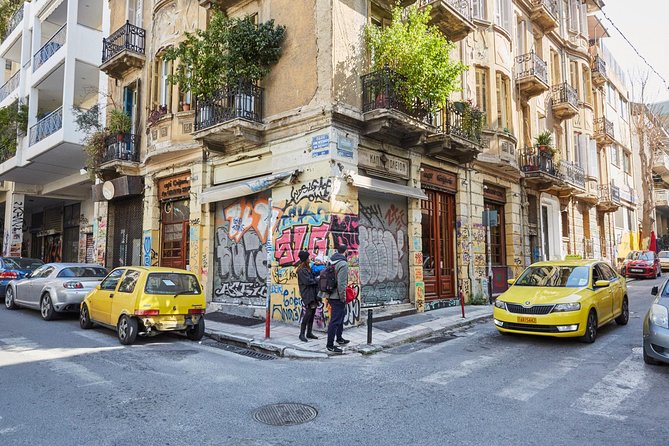
One of the most memorable parts of this tour is the plan to descend to a notorious prison of World War II. That kind of stop changes the tone. You’re not just learning dates and styles, you’re facing a place tied to modern history’s darkest moments.
There is one big practical catch: the prison descent is closed on Monday and Tuesday. So on those days, you should expect the guide to adjust the experience around that closure.
How you should plan for this:
- If you want that specific prison visit, aim for a day other than Monday or Tuesday.
- If your schedule forces Monday or Tuesday, go in expecting a strong alternative focus, not a guaranteed descent.
Even when closed, the overall tour still works because the guide is building a long story about Athens across centuries. The prison stop is a key chapter, but not the only one.
Same hours, spent a different way in Athens:
- Acropolis: Premium Acropolis and Parthenon Guided Tour★ 4.8 · 5,208 reviews
- Athens: Mythology of Delphi, Museum and Arachova Guided Tour★ 4.7 · 5,102 reviews
- All Day Cruise -3 Islands to Agistri,Moni, Aegina with lunch and drinks included★ 5.0 · 4,958 reviews
- Athens, Piraeus, and Coastline: Blue Hop-On Hop-Off Bus★ 3.9 · 4,849 reviews
Ancient rivers still moving and tombs from a lost era
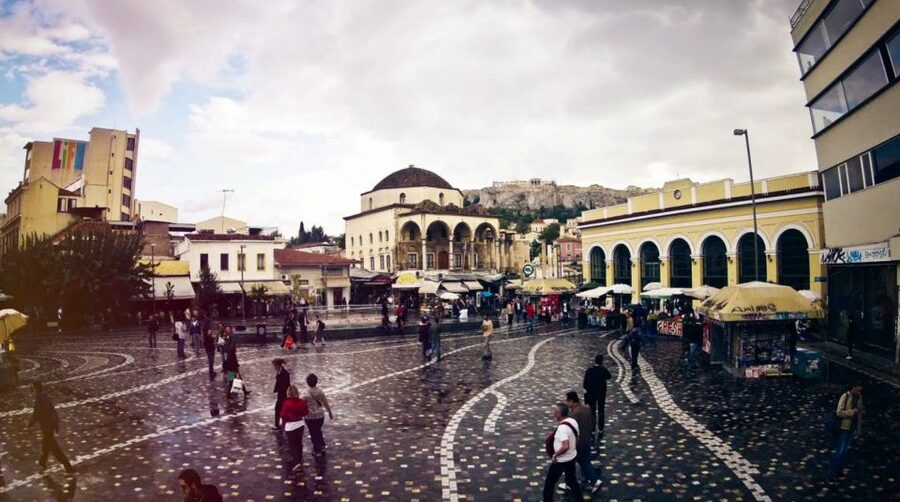
Another standout element is the tour’s attention to layers that can feel invisible until someone points them out. You will stop to see ancient rivers still flowing and visit tombs of a foregone era.
This is the kind of detail that makes Athens feel less like a checklist. It reminds you that the city did not stop being alive after antiquity. Waterways, memorial places, and everyday geography kept shaping life, even as empires and governments changed.
I like this approach because it helps you understand why Athens is so confusing when you first arrive. Buildings and ruins sit near modern streets. This tour gives you a framework for reading those overlaps instead of getting overwhelmed by them.
19th-century landmarks, royal palaces, and architecture with international ties

Athens doesn’t only have ancient stone. It also has a strong 19th-century layer tied to state-building and European design ideas. That’s where the tour’s mention of industrial revolution landmarks and royal palaces matters.
These stops show you a different Athens than the one people imagine from postcards. You start to see how the city’s rulers and planners turned it into a stage for modern identity. And because the guide highlights landmark buildings of international architectural interest, you get a sense that Athens was in conversation with broader European trends.
This is especially useful if you’re the kind of traveler who likes to understand what you’re looking at. You’ll walk away with better instincts for spotting the difference between what is ancient, what is rebuilt, and what belongs to the capital’s later reinvention.
Why the guide makes or breaks this walking tour
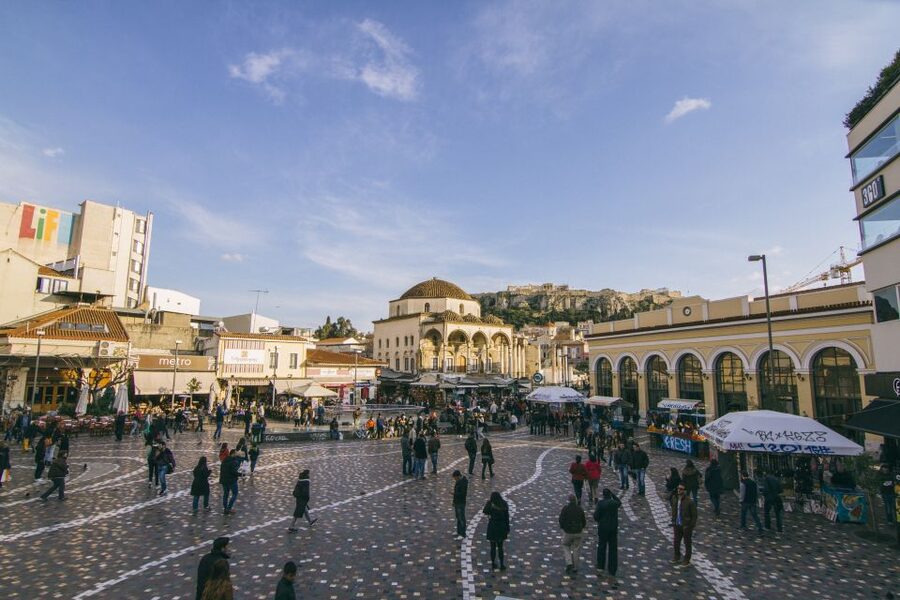
This tour lives and dies by its guide, and the standout theme from the guides you’ll likely encounter is how they balance detail with momentum.
People who booked with guides like Simos, Andreas, Antigoni, and Christina highlighted pacing and engagement. That’s huge for a walking orientation. If the guide goes too long in one spot, your afternoon drags. If they rush, you miss the story.
From what I’ve seen emphasized, the best guides here do three things:
- they keep the group moving at a comfortable rhythm
- they explain in a way that connects places, not just facts
- they adjust to the group without turning it into chaos
One more practical perk: some guides even share useful food leads. For example, one guest mentioned a recommendation for a non-touristy taverna plus a coffee spot known for Greek coffee. That kind of local suggestion can save you time when you’re hungry and deciding where to go next.
Price and value: $62 for 4 hours that connect the city
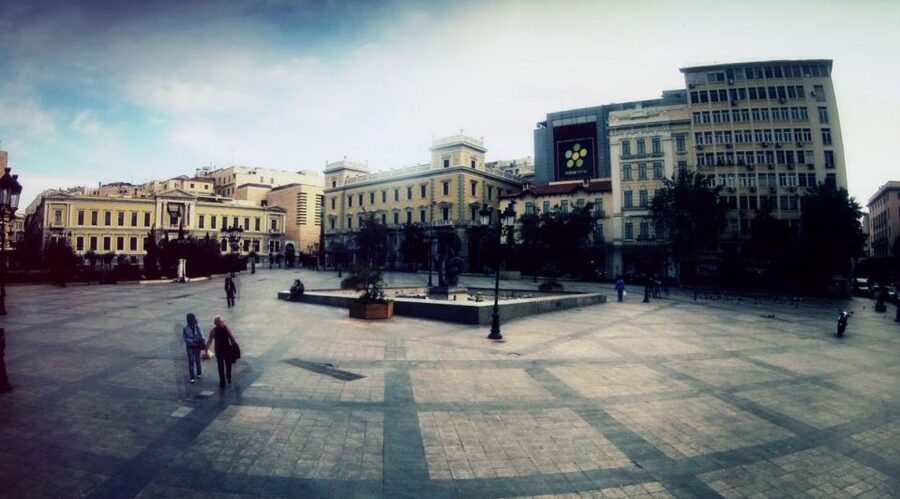
At $62 per person for 4 hours, I think the value is strongest when you treat this as orientation, not as a standalone history lesson. The tour includes:
- an English or French-speaking guide
- a city map that highlights transformations across 2,500 years
You’re also getting a route designed to hit multiple neighborhood areas and key themes in one go, which is hard to recreate on your own without planning.
If you like learning while walking and you want to stop guessing what you’re seeing, this price feels reasonable. If you already know every neighborhood and you only care about ancient sites, you might prefer a tour focused purely on archaeology. But for many first-time visitors, and even returning travelers who want a fuller sense of Athens in street terms, this is a smart use of time.
A small note on what is not included: food and drinks are not part of the tour, so plan to eat before or after. Since you finish in Monastiraki Square, that can be a convenient springboard into dinner plans.
Tips to enjoy the walk and not get stuck
This is a comfortable, practical walking tour style, so you’ll want to show up ready.
- Wear comfortable shoes. You’ll thank yourself by mid-afternoon.
- Bring a light layer if the weather shifts. Athens can change quickly, especially outside midsummer.
- If you want the WWII prison stop, schedule around the Monday and Tuesday closure.
- Pick your start location based on where you already are. Starting from Syntagma Square or Kolonaki helps you keep the day efficient.
- If you want food or coffee recommendations, ask your guide. Some guides share genuinely useful picks, not just generic advice.
And if you prefer a smaller, more flexible setting, the tour notes private group availability, which can be a nice option if you’re traveling with family or want more direct Q and A.
Should you book this unexpected Athens orientation tour?
Book it if you want Athens in layers, not in isolated stops. I especially recommend it if:
- you are visiting for the first time and want a route that connects ancient Athens to the modern capital
- you already saw the major ancient sites and want the city’s more everyday story
- you like neighborhood walking through places like Psiri and Monastiraki
- you appreciate architecture and civic buildings, not only ruins
Skip it, or at least adjust expectations, if:
- you cannot do walking right now
- your travel dates are Monday or Tuesday and the WWII prison stop is the one thing you really wanted
- you are looking only for food and entertainment rather than guided context
If you do book it, the best mindset is simple: treat this as your Athens decoder ring. You’ll leave with names, connections, and a map that helps you understand what you see next.
FAQ
How long is the Unexpected Athens Orientation Tour?
It lasts 4 hours.
How much does the tour cost?
The price is $62 per person.
Where does the tour start?
It has two possible starting points: Syntagma Square or Kolonaki. The exact meeting point can vary depending on which option you book.
How long do you spend in each area?
The tour allocates time for Kolonaki (1 hour), Exarcheia (1 hour), Psiri (1 hour), and Monastiraki (30 minutes), and finishes at Monastiraki Square.
What language is the guide in?
The tour offers an English or French-speaking guide.
Is the WWII prison stop included?
The tour includes a descent to a World War II prison, but it is closed on Monday and Tuesday.
What should I bring?
Wear comfortable shoes, since it is a walking tour.
What is included in the price?
The guide and a city map that highlights transformations of Athens through 2,500 years are included.
Are food and drinks included?
No, food and drinks are not included.
What is the cancellation policy?
You can cancel up to 24 hours in advance for a full refund. The tour also offers reserve now, pay later.
Latest from under the Acropolis






Tours, compared.
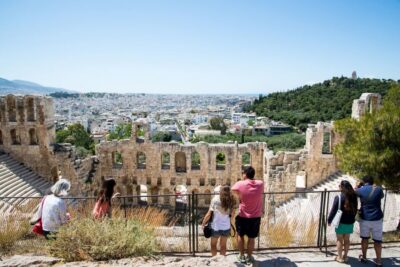
Acropolis, Parthenon & Acropolis Museum Guided Tour
Read our review →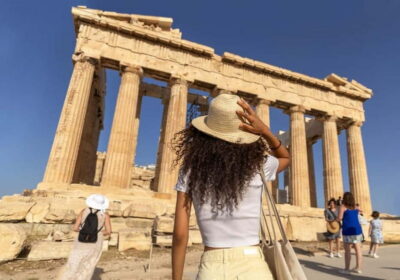
The Acropolis, Parthenon & Acropolis Museum Guided Tour
Read our review →
Acropolis: Premium Acropolis and Parthenon Guided Tour
Read our review →
Mythology of Delphi, Museum and Arachova Guided Tour
Read our review →
Acropolis and Parthenon Guided Walking Tour
Read our review →