
Reviewed · WORKSHOPS
Marble Carving Workshop: Create Your own Symbol of Strength
Marble, but make it personal. I love the fact that this Athens workshop is built around traditional hand tools and the real workflow of ancient Greek carving, not a shortcut souvenir class. I also like that it runs in small groups of up to 4, so Dimitri and Jimmy (and the rest of the team) can slow down, check your grip and angles, and keep the pace calm.
One possible drawback to flag up front: it is hands-on stone work, and you should expect real physical effort and time standing while you carve. Also, it is not set up for wheelchair users.
In This Review
- Key things I’d mark on your Athens “must-do” list
- MarbleArt in Athens: why this workshop feels like art, not a craft demo
- Your guide setup: Dimitri and Jimmy plus a hands-on rhythm
- The full 135 minutes: what you actually do, in order
- 1) Marble and stone carving history, plus why symbols matter
- 2) The materials section: marble, crystals, and other possibilities
- 3) Tools orientation: learning how to hold and use engraving tools
- 4) Drawing your subject, then transferring it to the marble
- 5) Traditional relief-like sculpture with multi-level shading
- 6) Engraving letters as your signature
- 7) Color and a patina-like finish
- The take-home result: your symbol of strength relief (and how to use it)
- Price and value: why $88 can make sense for Athens
- Who this marble workshop is best for
- Practical tips before you go (so you can focus on the carving)
- Should you book MarbleArt Athens?
- FAQ
- How long is the marble carving workshop?
- What is the group size?
- Do I get to keep what I make?
- What languages are used during the workshop?
- Is the workshop wheelchair accessible?
- What should I bring?
- Is transportation included?
Key things I’d mark on your Athens “must-do” list
- Ancient Greek carving process, explained step-by-step with hand tools, and geared for beginners
- Small group format (up to 4), which makes the instruction feel personal instead of rushed
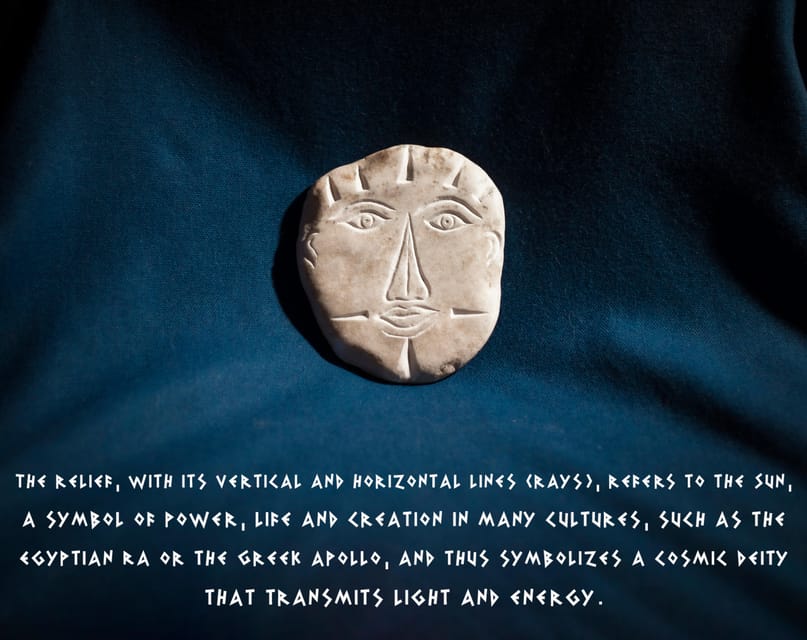
- Your own symbol of strength relief, plus a signature engraving at the end
- Patina-like color step, where your marble relief looks finished, not just raw stone
- A museum-like setting focused on marble sculpture and traditional stone carving, not a generic craft room
MarbleArt in Athens: why this workshop feels like art, not a craft demo
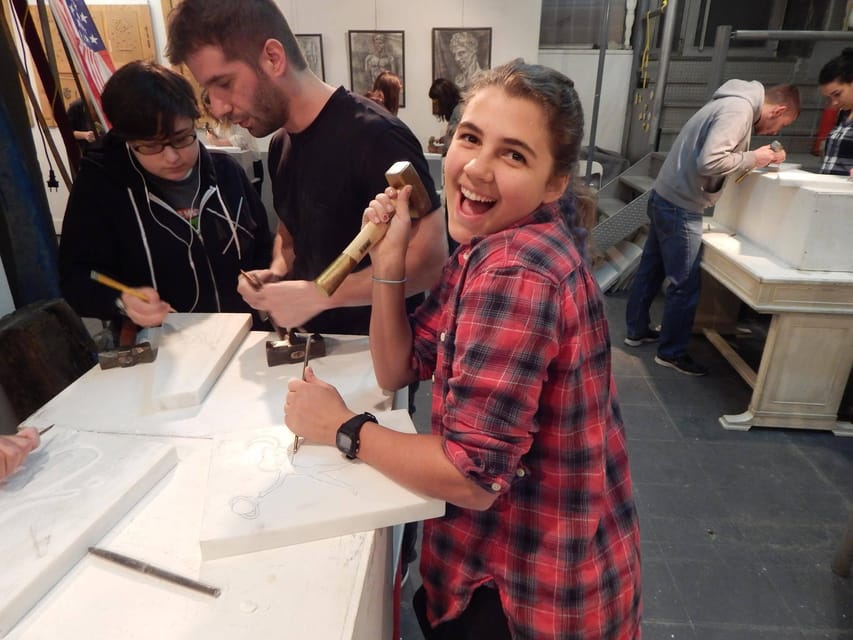
MarbleArt Athens is a local boutique museum devoted to marble sculpture and traditional stone carving. The vibe matters here. You are not just sitting in a classroom watching someone else work. You are in a curated space where the walls and surroundings reinforce the point: marble carving is an art tradition with a lineage, not a one-off activity.
That approach shows up in the way the session starts. Before anyone puts a tool to stone, you get context about marble and stone carving in ancient Greece, plus what humans have done across history with personal symbols in materials like marble and stone. You will also see examples referenced that connect to earlier Greek art traditions, which helps you understand why this workshop is focused on making a meaningful symbol, not only achieving a neat outcome.
If you want something more authentic than the usual Athens checklist, this is a good fit. It is still beginner-friendly, but it treats your work with respect, including the slow craft steps that make marble reliefs readable in light and shadow.
More Athenian benches to work at for a morning:
- Athens: Classic Cooking Class with Market Visit and Wine
★ 5.0 · 1,101 reviews - Athens: Food Market Visit and Cooking Class with Wine
★ 4.9 · 1,087 reviews - Greek Cooking Class in Athens Including Rooftop Dinner with Acropolis View
★ 5.0 · 826 reviews - Greek Small-Group Athens Cooking Class & Dinner
★ 5.0 · 574 reviews
Your guide setup: Dimitri and Jimmy plus a hands-on rhythm
This workshop is led by an expert team with strong academic and arts backgrounds, including a guide with a PhD in Philosophy and Art of Ancient Greece, and a teacher of marble sculpture from a University of Fine Arts. In practice, what you feel is patient coaching and clear pacing.
Dimitri shows up in multiple parts of the experience. Participants describe him giving introductions, presenting historical information, and helping get people started so they do not get stuck on the first few minutes. Jimmy also appears as part of the team, with staff members staying close to help through the carving process.
And because the group is capped at four people, the support is not generic. It is practical adjustments. That is especially important for beginners, because marble carving is easy to underestimate. The early stage is where most people either build confidence fast, or accidentally overdo force and lose control.
The full 135 minutes: what you actually do, in order
The session is structured like a workshop with clear stages. You will move from history and ideas to tools, then to drawing, transferring, carving, and finishing.
1) Marble and stone carving history, plus why symbols matter
You begin with an introduction to marble and stone carving using traditional hand tools. This is not a lecture dump. It sets up what comes next by explaining what marble is, why it matters, and how ancient sculptors used stone and tools to shape meaning.
You also talk about personal symbols in stone and marble. This framing helps you think like a maker, not like a shopper. Instead of choosing a random design, you are guided to make something that connects to your own idea of strength and identity.
2) The materials section: marble, crystals, and other possibilities
Next comes a look at the structure of materials, with mention of rocks, marble, and crystals. There is also discussion about possible enrichments with metals or fossils. Even if you are not adding those extras to your own piece, this part helps you understand why marble carving looks the way it does, and how different material surfaces can affect what light does across the relief.
Same hours, spent a different way in Athens:
- Athens: Acropolis & up to 5 Archaeological Sites Combo Pass★ 4.2 · 13,904 reviews
- Athens: Acropolis, Parthenon & Acropolis Museum Guided Tour★ 4.8 · 9,316 reviews
- The Acropolis, Parthenon & Acropolis Museum Guided Tour★ 4.7 · 8,493 reviews
- Athens: Cape Sounion & Poseidon Temple Sunset Half-Day Trip★ 4.8 · 8,241 reviews
3) Tools orientation: learning how to hold and use engraving tools
Then you get to the part that makes the workshop feel genuinely hands-on. You become familiar with hand tools and learn how to use them for engraving. Participants have mentioned goggles are provided, which is great. You will still want to treat this as real craft work, since you are working on hard stone.
If you want a simple tip, bring a mindset that you are learning technique, not proving toughness. With stone work, small, controlled motions beat big swings every time.
4) Drawing your subject, then transferring it to the marble
Once your design concept is discussed, you sketch your subject on paper first. Then the workshop moves to transferring your drawing to the marble surface. This is one of the most valuable steps for beginners because it prevents the common mistake of jumping directly into carving without a plan for shape, depth, and outlines.
A practical piece of advice I’d take from past participants: keep your drawing simpler if you do not have experience. Detailed interiors look beautiful in a photo, but in marble they can mean more time and more careful carving than you expect.
5) Traditional relief-like sculpture with multi-level shading
Now comes the core carving. You start sculpting with hand tools in a way that mirrors how it was done in ancient Greece. Your theme is rendered as engraved and relief-like forms, with deepening on the surface for multi-level contrast.
That multi-level detail is what makes marble reliefs work. In plain terms: it is what turns a flat idea into something that catches shadow and light.
This stage is where Dimitri and the team’s patience really shows. People describe getting help even after they thought they were stuck, and the staff encouraging you to keep going rather than rushing you through.
6) Engraving letters as your signature
After the sculpting, you engrave letters for the signature of the creator. This is a satisfying step because it gives your piece an ownership feel. It is not just a decorative object, it becomes a work you made with your own name on it.
7) Color and a patina-like finish
Finally, you apply color to create a patina-like effect. That finish is important. Raw marble can look unfinished even when the carving is good. The color step helps your relief read more clearly and makes the piece look complete for photos and display.
The take-home result: your symbol of strength relief (and how to use it)
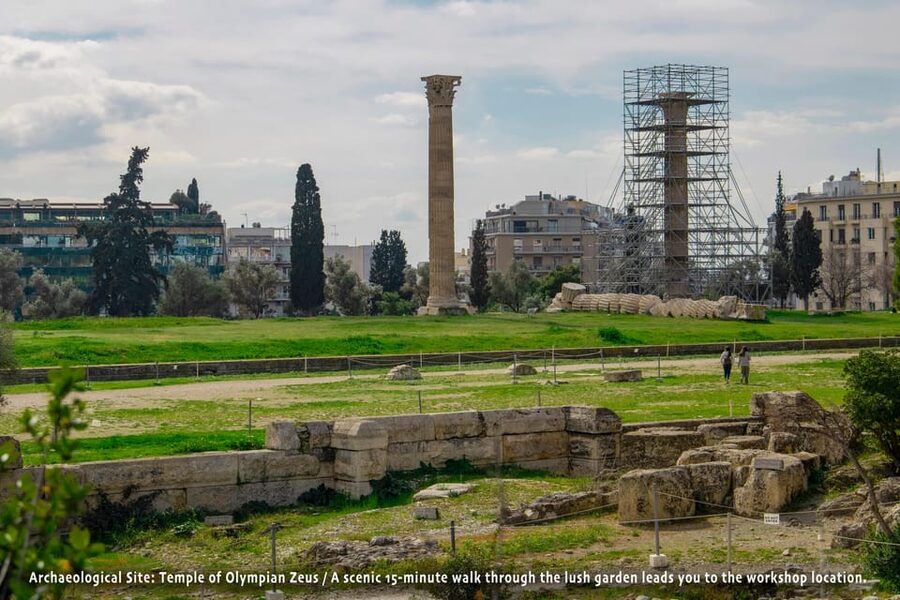
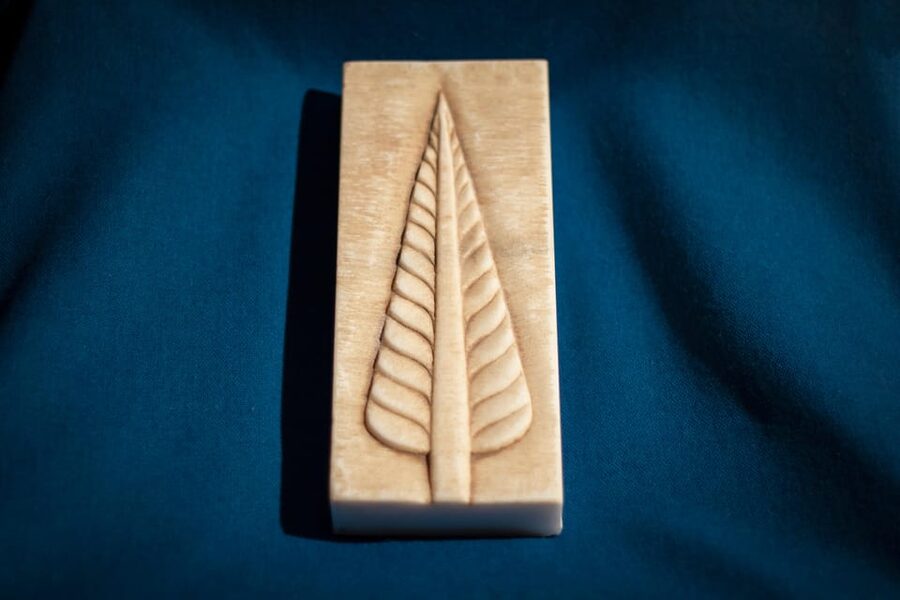
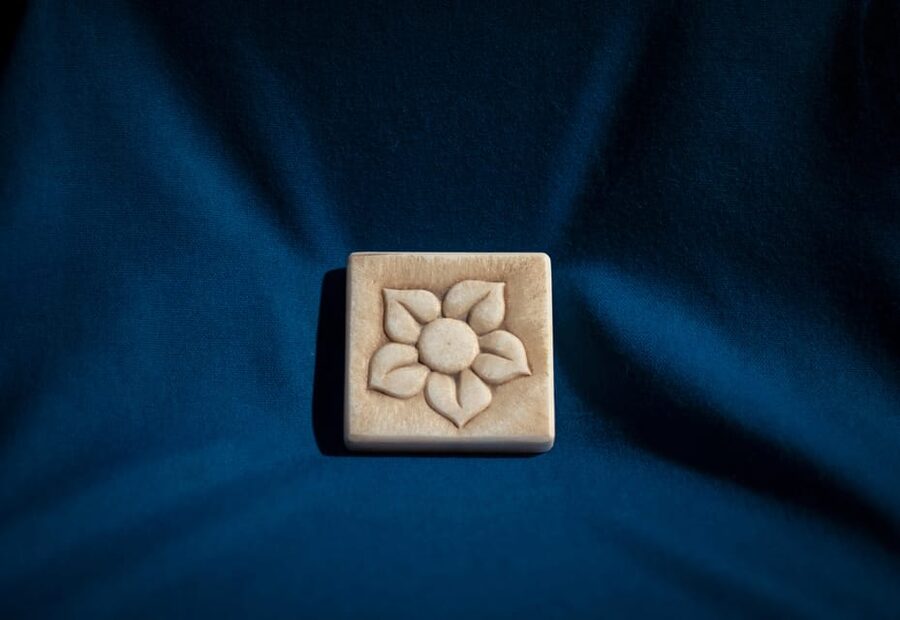
Your outcome is a personal symbol of strength relief in marble. You carve the outline into the marble using the traditional tool approach you learned during the session, so your take-home piece feels like a true handcrafted artwork, not a pressed-coin replica.
You also leave with a deeper appreciation for what you are looking at when you see Greek marble sculpture. The point is not to become a sculptor overnight. It is to understand the effort, patience, and control that goes into even a small relief.
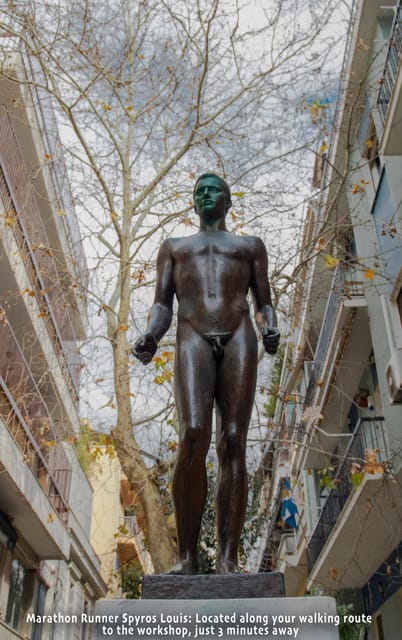
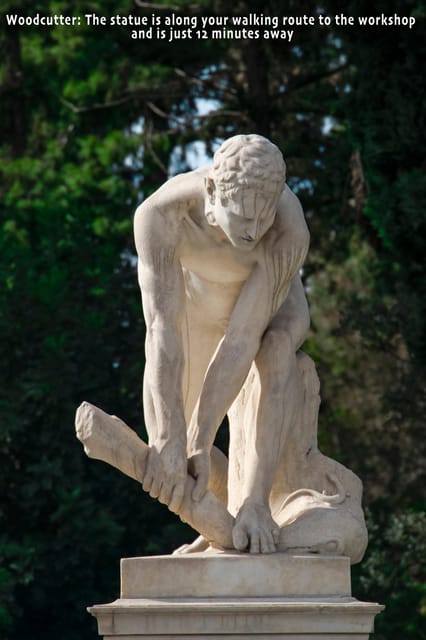
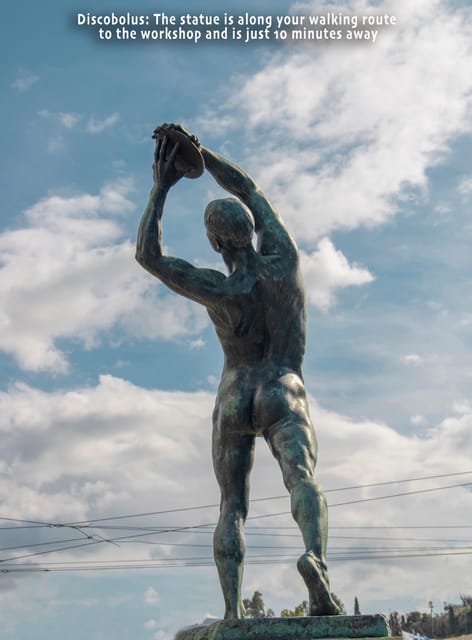
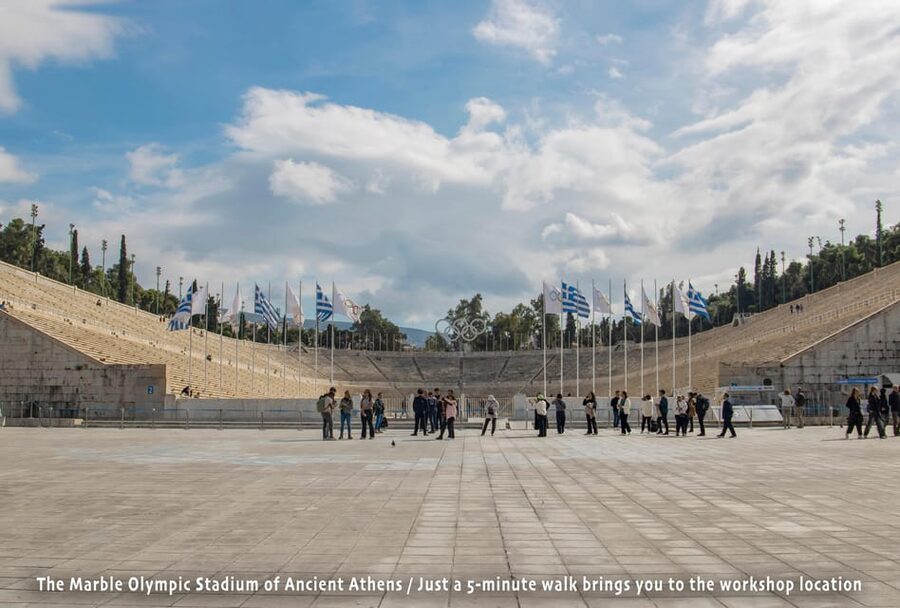
Also, there is an optional add-on element for people who want it: you can walk to explore and photograph nearby sculptures in Athens’ historical center where the workshop is located. This makes the workshop feel connected to the city around it, instead of floating in isolation.
Price and value: why $88 can make sense for Athens
At $88 per person for about 135 minutes, you are paying for more than a craft activity. Here is what you are really buying:
- Materials and tools are included, so you are not doing a class and then buying supplies elsewhere
- A small group cap of up to four, which raises the instruction value per person
- Expert instruction from instructors connected to ancient Greek art scholarship and university-level fine arts teaching
- A take-home finished piece, including steps like relief carving and a color patina effect
- Cultural framing, so you learn why these methods exist, not only how to make something once
If you compare this to one of those “paint a small object in 60 minutes” experiences, the time and output are different. You are also not learning the activity in a way that looks dated or watered down for tourists. Instead, you get a workshop-style process that feels tied to Greek material culture.
Who this marble workshop is best for
This is a great match if you want an Athens experience that is hands-on and meaningful, without needing prior art experience. It is specifically aimed at beginners, and people describe the staff as kind and patient, with help through each stage.
You’ll likely enjoy it more if you:
- like structured activities where you work step-by-step
- want a souvenir with real substance
- enjoy history when it is connected to what you are physically doing
It is less ideal if you have mobility constraints. It is not suitable for wheelchair users, and the format involves standing time while you carve.
Practical tips before you go (so you can focus on the carving)
Bring a camera. You’ll want photos of both your workspace and your finished relief.
Wear something comfortable for standing. Some past participants noted about two hours on your feet while carving, even though the session is carefully paced.
On safety and comfort: goggles are provided. One suggestion from a participant was to consider bringing a mask as well. It is reasonable for any session that involves stone dust or close-range tool use.
Finally, if you bring your own design ideas, keep them simple unless you already know how stone carving behaves. A clean outline and a readable relief usually look best, and it is easier to control depth without getting overwhelmed.
Should you book MarbleArt Athens?
I’d book this if you want a real craft-meets-culture experience in Athens that gives you a take-home symbol of strength relief made with traditional hand tools. The small group size is a big deal, because it turns the workshop from a noisy demo into a calm, guided process. The historical framing also makes your finished piece feel more intentional.
Skip it if you want a totally passive activity, or if you cannot stand for a significant portion of the 135 minutes. And if you are expecting a quick, foolproof process with no physical effort, adjust your expectations. Marble carving is learnable, but it is still work.
If you want to do one Athens workshop that feels different from the standard day tours and market stops, MarbleArt is a strong choice.
FAQ
How long is the marble carving workshop?
The workshop lasts 135 minutes.
What is the group size?
It is a small-group experience with up to 4 people.
Do I get to keep what I make?
Yes. You create a personal symbol of strength relief in marble and take your work home.
What languages are used during the workshop?
The workshop is offered in English and Greek.
Is the workshop wheelchair accessible?
No. It is not suitable for wheelchair users.
What should I bring?
Bring a camera. Wear comfortable clothes for standing, and consider bringing a mask if you prefer extra protection. Goggles are provided.
Is transportation included?
No. Transportation to the workshop location is not included.
Latest from under the Acropolis







Workshops, compared.

Classic Cooking Class with Market Visit and Wine
Read our review →
Food Market Visit and Cooking Class with Wine
Read our review →
Greek Cooking Class in Athens Including Rooftop Dinner with Acropolis View
Read our review →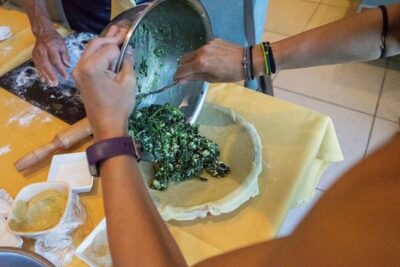
Greek Small-Group Athens Cooking Class & Dinner
Read our review →
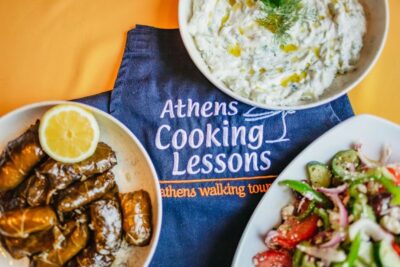
Greek Cuisine Cooking Class and 3-Course Dinner
Read our review →
Traditional Greek cooking class and lunch or dinner with an Acropolis view
Read our review →
Athens Airport Private Transfer by Mercedes-Benz E Class Wagon to City Center
Read our review →Browse the lists this tour appears in