
Reviewed · WORKSHOPS
Greek dance lessons
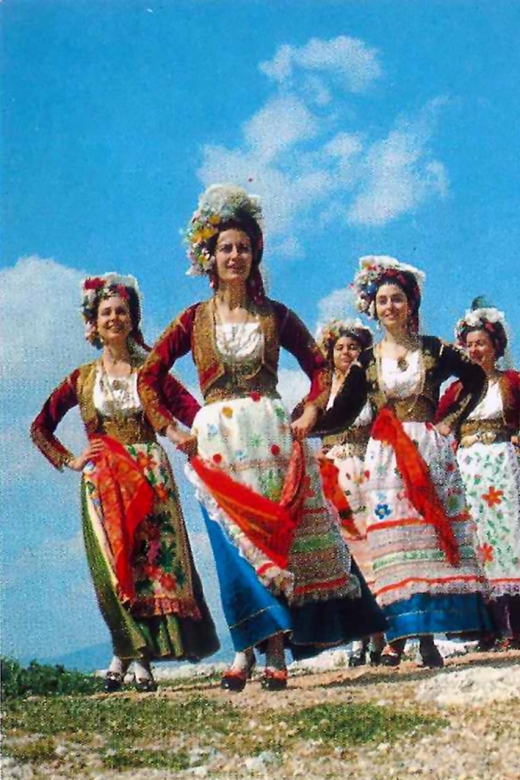
Dance teaches Greece fast. In this Greek dance lesson in Athens you learn well-known folk steps and connect them to the regions and costumes behind them. I especially liked the way the class stays easy and fun, while still helping you actually learn several dances in the time you have.
I also loved the cultural layer: you get context on how Greeks use dance and song to express feelings, celebrate seasons, and mark life events. On top of that, you spend real time looking at Greek costumes and the special jewelry that adorn them, plus general clothing info about what you are seeing. The main drawback to consider is simple, it is an active class, so if you want a mostly seated sightseeing experience, this one will feel more like movement with meaning than a quiet cultural stop.
In This Review
- Key moments worth your time
- Greek dance lessons in Athens Plaka, not just “moves”
- Meeting near the Acropolis Metro, then walking Plaka’s alleys
- George Finlay’s building and the costume-and-jewelry focus
- The 1.5-hour structure, and how beginners actually learn
- What dances from the Aegean, Ionian, and mainland can teach you
- Price and value: $73 for a real activity, not a quick performance
- Languages, pace, and a quick note on wheelchair information
- Who should book this Greek dance lesson
- Should you book this dance lesson?
- FAQ
- How long is the Greek dance lesson?
- Where do I meet for the lesson?
- What kind of building is the lesson held in?
- What language is the instructor teaching in?
- What does the lesson include?
- What is the price?
- Is the lesson suitable for wheelchair users?
- Can I cancel for a refund?
- When can I make a reservation?
Key moments worth your time
- A Plaka walk before the lesson helps you get the old-town feel right away
- George Finlay’s preserved building is the setting for the class, with a flowery yard
- Multiple folk dances taught in 1.5 hours, not just a single pattern
- Costumes and jewelry context gives you something to look for as you dance
- Regional culture connections across dances from the Aegean, Ionian, and mainland
Greek dance lessons in Athens Plaka, not just “moves”

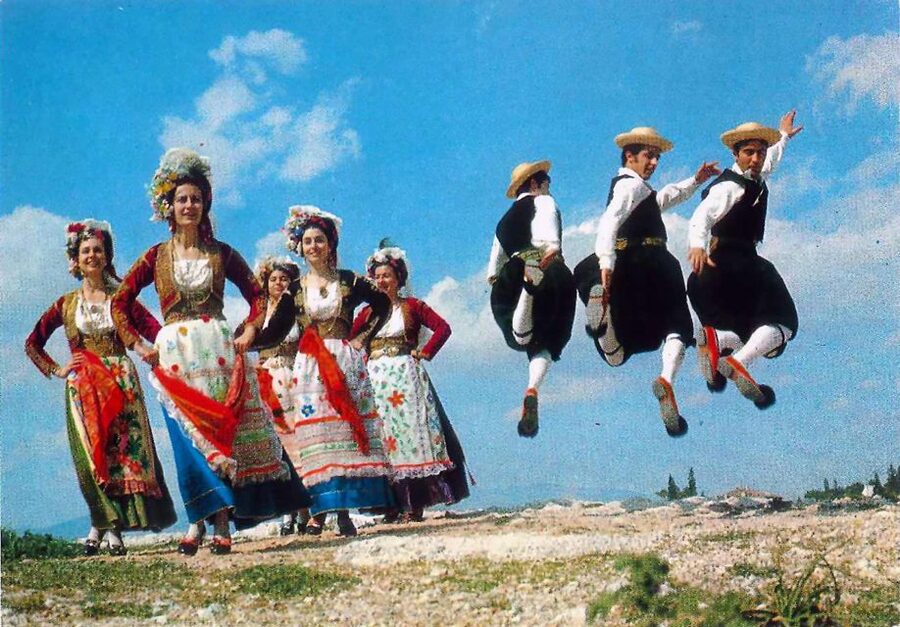
Greek dance has a job to do. Ancient Greeks connected dance to gods and to cult and religious events, and that idea still shows up today in how people treat dancing like more than entertainment. In this lesson, you do not just copy steps. You learn why the dances matter to people, how they carry emotion, and how dance can be used to welcome seasons and celebrate together.
This is also one of the best ways to understand Greek culture without needing a museum ticket. You feel it through timing, posture, and group energy. Even if you consider yourself uncoordinated, the goal is to help you get better quickly, and the class is framed for an easy and fun experience.
More Athenian benches to work at for a morning:
- Athens: Classic Cooking Class with Market Visit and Wine
★ 5.0 · 1,101 reviews - Athens: Food Market Visit and Cooking Class with Wine
★ 4.9 · 1,087 reviews - Greek Cooking Class in Athens Including Rooftop Dinner with Acropolis View
★ 5.0 · 826 reviews - Greek Small-Group Athens Cooking Class & Dinner
★ 5.0 · 574 reviews
Meeting near the Acropolis Metro, then walking Plaka’s alleys
You start at an office very close to the Acropolis Metro Station, about a 3 minute walk. From there, you head through the picturesque alleys of Plaka, Athens old town. That short walk is more than a warm-up. It’s your first real taste of the setting where these traditions still live, with small streets and a slow, human pace.
Then you reach a preserved building tied to George Finlay, a British historian of the Greek Revolution. The lesson happens in a well kept four-floor building with a flowery yard. That matters because it sets the tone. You are not doing this in a gym or a random studio. The space is part of the experience, it feels like Athens memory and everyday life mixing together.
George Finlay’s building and the costume-and-jewelry focus
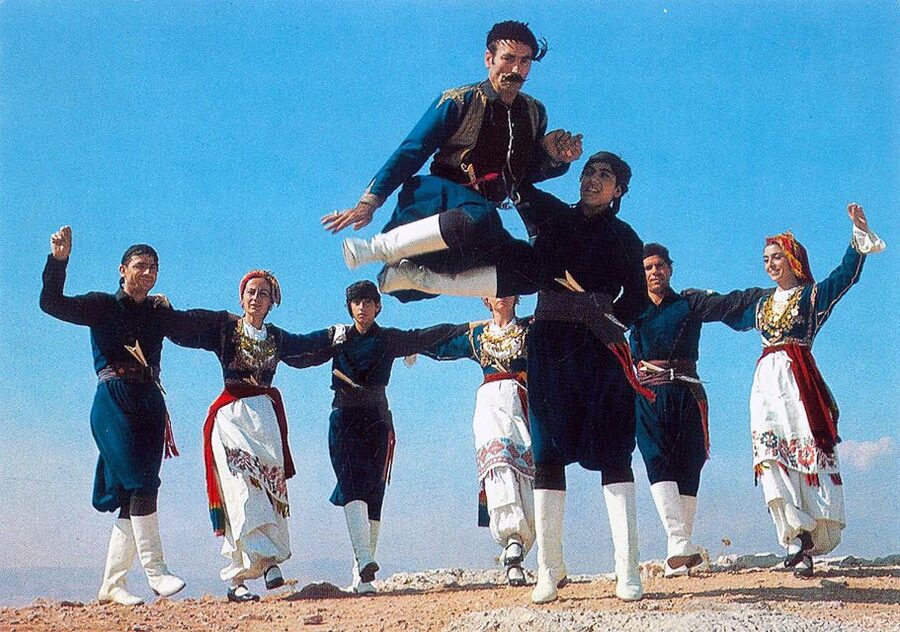
Inside, the experienced dance teacher introduces you to Greek folk and traditional dances and builds your understanding around what you see and what you do. One of the most praised parts of this experience is the costume angle. You get to know numerous Greek costumes, and you learn about the special jewelry that adorns them.
This is practical, because watching dances without context can feel like learning random choreography. With costumes and clothing info added, the dances start to make sense as regional expressions. Different areas of Greece developed their own visual identity, and those choices show up in the way costumes are styled, decorated, and worn. Even if you do not catch every detail, the lesson nudges you to look with better instincts.
You also get general clothing information about Greek costumes, which is helpful if you plan to see traditional outfits later on your trip. It gives you a vocabulary for what you are spotting, instead of just seeing something pretty and moving on.
The 1.5-hour structure, and how beginners actually learn
The class runs 1.5 hours, and that time is used in a way that makes sense for first-timers. The teaching style is designed to be approachable, so you are not thrown into a dance marathon with no guidance.
Based on the feedback, this is the kind of class people describe as professional and beginner-friendly. One review from Faure (France) highlighted that the session feels ideal for beginners and that you learn lots of dances, not just one or two. Another review simply called it fun and informative. I like that combination, because you want a class that respects your time and still makes you feel like you learned something real.
What you can expect during the lesson is not spelled out dance-by-dance in the details given, but the focus is clear. You learn well-known Greek folk dances, and you connect them to regions across the Aegean and Ionian islands and the mainland. You also get the costume and clothing context during the experience, which keeps the session from turning into pure repetition.
One consideration I’d flag, a reviewer joked about having discovered they had no rhythm in their body. That kind of comment is funny, but it is also a reminder. Dancing is physical, and some people need a couple tries to stop overthinking. The class is designed to keep it easy and fun, but you should still show up ready to move and laugh at your first attempts.
What dances from the Aegean, Ionian, and mainland can teach you
Greek folk dances are not one style. They are a family of traditions that share a language, rhythm, and expressive feel, while still carrying regional differences. This lesson explicitly points you toward dances from the Aegean and Ionian Seas and mainland, which is useful if your Greece trip spans more than one place.
Here is the cultural payoff. You learn the idea that dance expresses feelings, welcomes seasons, and helps people celebrate and connect. That means each dance can feel like it has a tone, not just a step pattern. As you learn, you start noticing how posture and timing change the mood of what you are doing.
And because you also learn about costumes and the jewelry attached to them, you build an extra layer of understanding. When you later see traditional outfits in a shop, on a sign, or during a cultural event, you might catch patterns you would have missed before. Even if your trip is only a few days, this lesson gives you a way to interpret what you see.
Same hours, spent a different way in Athens:
- Athens: Acropolis & up to 5 Archaeological Sites Combo Pass★ 4.2 · 13,904 reviews
- Athens: Acropolis, Parthenon & Acropolis Museum Guided Tour★ 4.8 · 9,316 reviews
- The Acropolis, Parthenon & Acropolis Museum Guided Tour★ 4.7 · 8,493 reviews
- Athens: Cape Sounion & Poseidon Temple Sunset Half-Day Trip★ 4.8 · 8,241 reviews
Price and value: $73 for a real activity, not a quick performance
At $73 per person for 1.5 hours, this isn’t a bargain in the way a walking tour can be. But it also isn’t in “big-ticket experience” territory. The value is tied to what you receive: live instruction from an experienced dance teacher, plus cultural context that goes beyond steps, including costumes, jewelry, and general clothing info.
If you like hands-on experiences, this price starts to look fair fast. You are paying for skill-building in real time. You leave with muscle memory you can practice later, and you also leave with a better understanding of why these dances exist. In my view, that combination is what makes it worth considering over a purely observational cultural program.
It also helps that the experience is positioned as easy and fun, which reduces the risk of feeling lost. If you sign up assuming you will struggle and still have a good time, you will probably be happy you went.
Languages, pace, and a quick note on wheelchair information
The instructor teaches in English and Spanish, so you should be comfortable even if you do not speak Greek. The pace is designed for learning, and the lesson length gives enough time to practice without dragging into a full afternoon.
About accessibility, the details given include both “wheelchair accessible” and “not suitable for wheelchair users.” That contradiction matters. I’d treat it as a clear sign to confirm directly with the provider before booking if wheelchair access is part of your planning.
Who should book this Greek dance lesson
This experience is a strong match if you want something social and active in Athens that still teaches you culture. It fits especially well for:
- Beginners who want structure, not chaos
- People who like learning through movement
- Visitors who enjoy costumes, regional differences, and cultural context
- Anyone looking for a memorable alternative to another long museum visit
It may not be ideal if you want mostly passive sightseeing, or if you are looking for a quiet, sitting-only activity.
Should you book this dance lesson?
Yes, if you want a hands-on Greece moment that feels grounded in real tradition. For $73 you get a focused 1.5-hour class, professional teaching, and a bonus cultural layer through costumes, jewelry, and regional meaning. The repeated praise for learning lots of dances and keeping it friendly for beginners is exactly what you want when you are putting on dance shoes for the first time.
Book if you are curious, not perfect. Bring energy, be ready to move, and you’ll likely leave with more than photos. You’ll have a rhythm lesson, plus a better way to read Greek culture in the streets of Athens.
FAQ
How long is the Greek dance lesson?
The duration is 1.5 hours.
Where do I meet for the lesson?
You gather at an office in central Athens near the Acropolis Metro Station, then you walk through the alleys of Plaka to the lesson location.
What kind of building is the lesson held in?
The lesson takes place in a preserved four-floor building associated with George Finlay, with a flowery yard. The meeting point is described as an 18th century building.
What language is the instructor teaching in?
The instructor offers the lesson in English and Spanish.
What does the lesson include?
It includes Greek dance lessons, learning about Greek costumes and the special jewelry that adorn them, general clothing information about Greek costumes, and cultural context about different Greek regions.
What is the price?
The price is listed as $73 per person.
Is the lesson suitable for wheelchair users?
The information provided includes both wheelchair accessible and not suitable for wheelchair users. You should confirm with the provider before booking if wheelchair access matters for you.
Can I cancel for a refund?
Yes, you can cancel up to 24 hours in advance for a full refund.
When can I make a reservation?
The details state reservations are accepted 48 hours before the activity.
Latest from under the Acropolis







Workshops, compared.

Classic Cooking Class with Market Visit and Wine
Read our review →
Food Market Visit and Cooking Class with Wine
Read our review →
Greek Cooking Class in Athens Including Rooftop Dinner with Acropolis View
Read our review →
Greek Small-Group Athens Cooking Class & Dinner
Read our review →
Greek Cuisine Cooking Class and 3-Course Dinner
Read our review →
Traditional Greek cooking class and lunch or dinner with an Acropolis view
Read our review →
Athens Airport Private Transfer by Mercedes-Benz E Class Wagon to City Center
Read our review →Browse the lists this tour appears in