

Reviewed · DELPHI ORACLE DAY TRIPS
BEST 4-Day CLASSICAL GREECE: Corinth Epidaurus Delphi Meteora
You can pack in ancient icons fast, without the chaos. This is a private classical Greece loop that strings together Corinth, Mycenae, Epidaurus, Olympia, Delphi, and Meteora, then finishes with Thermopylae, all with comfortable rides and good hotels as your base.
I especially love two parts: the all-in logistics (your day is driven for you) and the chance to see top sights like Epidaurus and Delphi without making them your full-time job. If you upgrade with expert site guides, the storytelling goes from tour-ware to real context.
One thing to consider is timing and walking. Even with breaks and lunches, you’ll be moving a lot, and the driver cannot enter archaeological sites, so you may want to add licensed guides at the stops you care about most.
In This Review
- Key things that make this tour work
- Private classical Greece: why this route feels calmer
- Price and what you’re really paying for
- Day 1: Corinth Canal to Epidaurus Theatre, then Nafplio’s sea breeze
- Day 2: Olympia’s stadium energy, then bridge views and Venetian ports
- Day 3: Delphi and Hosios Loukas, plus Arachova lunch before Meteora
- Day 4: Meteora monasteries up in the clouds, then Thermopylae on the return
- Hotels, vehicles, and meals: the low-stress part of the deal
- Getting the most from guides: driver talk is good, licensed entry is better
- What to pack and how much walking to expect
- Who this tour suits best
- Should you book? My practical verdict
- FAQ
- Is this tour private?
- Is pickup from Athens included?
- What language is the tour in?
- What kind of transportation do you use?
- Are entrance fees included in the price?
- Can I add lunches and expert archaeological guides?
- Are meals included?
- Can the driver enter archaeological sites with you?
- Is there a cancellation refund?
Key things that make this tour work
- Private group, private pace: it’s just your group, not a bus full of strangers.
- High-comfort travel: Mercedes-class vehicles (sedan, minivan, or Sprinter) matched to group size.
- Top-tier ancient sites in four days: Corinth, Mycenae, Epidaurus, Olympia, Delphi, Meteora, Thermopylae.
- Driver-led explanations, guides where it matters: driver can talk en route, while licensed guides handle site entry when added.
- Good lodging rhythm: minimum 4-star or boutique hotels with breakfast for four mornings.
Private classical Greece: why this route feels calmer
This tour is built for people who want the headlines of ancient Greece, but not the headline stress. You’re not lining up with tour crowds all day or fighting for taxi time between far-flung sites. Instead, you ride a comfortable vehicle, stop when needed, and get a clear day structure so you can actually enjoy what you see.
The biggest quality-of-life win is that you’re traveling as a private group. That matters more than people expect. You can ask for small timing tweaks, and you’re not stuck to a one-size-fits-all pace when someone needs a bathroom break or a slower stroll.
More trips to the theatre at Epidaurus:
- From Athens: Small-Group Mycenae, Epidaurus & Nafplio Trip
★ 4.8 · 2,805 reviews - From Athens: Mycenae, Epidaurus & Nafplio Full-Day Tour
★ 4.5 · 2,530 reviews - Mycenae, Epidaurus and Nafplio Tour from Athens
★ 4.6 · 2,201 reviews - 4-Day Classical Greece Tour: Epidaurus, Mycenae, Olympia, Delphi, Meteora
★ 4.5 · 732 reviews
Price and what you’re really paying for
At $2,375.79 per person, this is not a budget tour. The value shows up in what’s included: hotel nights (minimum 4-star or boutique), breakfast for four mornings, and a premium vehicle with an English-speaking driver who manages the day.
Entrance fees and licensed archaeological guides are not included. That’s normal for Greece tours, but it’s the part to plan for. If you add lunches and expert guides, the per-person cost rises, but you usually gain a deeper experience at the sites where that extra interpretation really helps.
Think of this price as buying three things: time, comfort, and the option to upgrade the expertise when it counts. If you love history, but you also want low-stress travel, it can feel like a fair trade.
Day 1: Corinth Canal to Epidaurus Theatre, then Nafplio’s sea breeze
Day 1 is a strong opener: Peloponnese classics, then a beautiful place to unwind.
You start at Corinth Canal, where the driver sets the scene with the canal’s “ill-fated and varied” history, from ancient times to the present. The stop is short, about 20 minutes, and there’s no admission ticket required, so it’s a quick way to get oriented to what makes this region important.
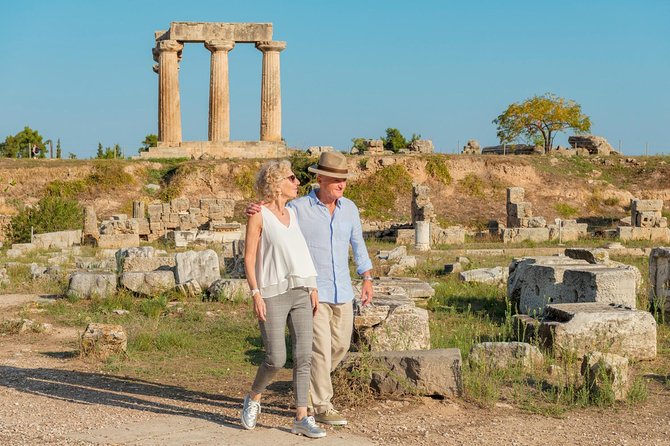
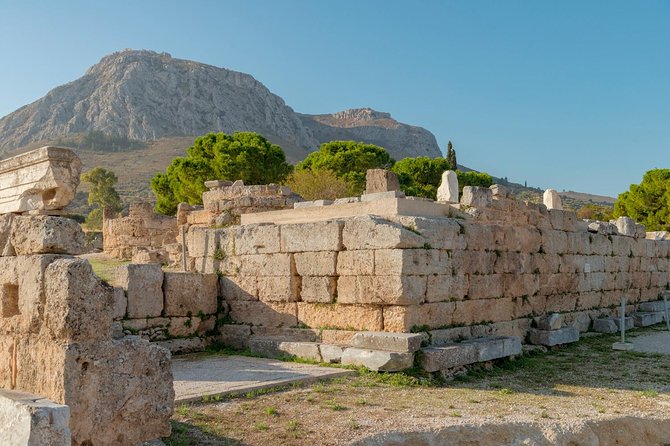
Next comes Ancient Corinth (Archaia Korinthos). You’ll walk through streets, temples, markets, and fountains in the footsteps of Classical Greeks, Roman-era life, and even St. Paul. The admission ticket isn’t included, so if you plan to do a lot of museum-style time, check your budget for entry costs. This stop tends to reward visitors who like walking ruins and reading the “what life looked like” details.
Then the trip turns dramatic at Mycenae, with its massive city walls and Lion’s Gate. You’ll pass into the citadel area, including stops tied to Agamemnon’s legendary palace and the Treasury of Atreus. There’s also a modern on-site museum with artifacts from the site, which is a nice add-on when the ruins start to blur together in your mind.
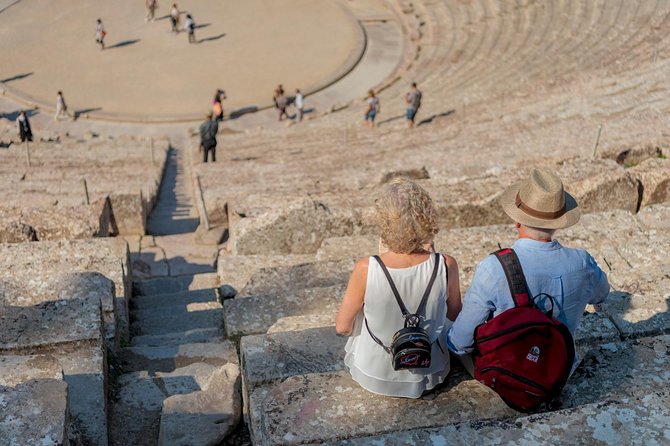
After that, you reach Epidaurus, at the Sanctuary of Asklepios, known as the first healing center of the ancient world. The highlight here is the Ancient Theatre of Epidaurus, famous for world-class acoustics. Plan to stand where people typically test the sound, even if it’s just a short poem or a song moment, because it’s one of those experiences you remember long after the photos.
Finally, you end in Nafplio, a medieval port city with a Venetian castle across the bay. Lunch is built into the day here, and you get time to stroll craft shops and boutiques in the old town feel. Nafplio is a smart landing spot because it gives you a real evening atmosphere after a long, archaeology-heavy day.
Day 2: Olympia’s stadium energy, then bridge views and Venetian ports

Day 2 starts with one of Greece’s most magical “this is where it happened” places: Ancient Olympia. You’ll see areas tied to the Olympic Games of antiquity, including the tunnel athletes emerged from in the stadium. The site also includes the Temple of Zeus and Hera and the workshop of Phidias, plus an extensive museum.
This is the sort of place where a little guidance helps. Even when you wander freely, you’ll likely appreciate what you’re seeing more when you know what events and rituals took place where. If you’re the type who wants the full narrative, this is a good candidate to add an expert site guide.
Then you cross to the mainland side via the Rion-Antirion Bridge, one of the long suspension bridges in the world. The stop is brief, about 20 minutes, and admission is free. It’s not the main attraction, but it breaks the day up nicely and gives you a view-change that can reduce the “all ruins, all day” fatigue.
After the bridge, you head to Nafpaktos Old Port, a Venetian-style port with a medieval vibe and a 15th-century castle above it. Lunch time is often where this stop shines, since it’s “pretty enough” for photos but also real enough to feel like a working coastal town.
The day also includes Galaxidi, a small seaside place near Delphi. The planned stop is short, around 10 minutes, but it sets you up for an evening with sea-view cafés and authentic local cuisine. This is one of those practical moments where the itinerary gives you a taste of a region, then lets the evening do the rest.
Day 3: Delphi and Hosios Loukas, plus Arachova lunch before Meteora
Day 3 is where the tour turns from “ancient sites” into “ancient stories,” especially at Delphi.
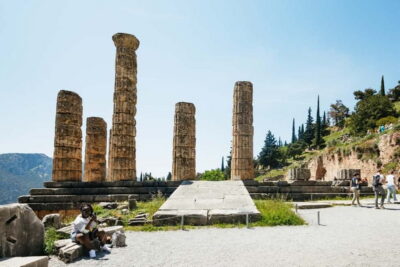
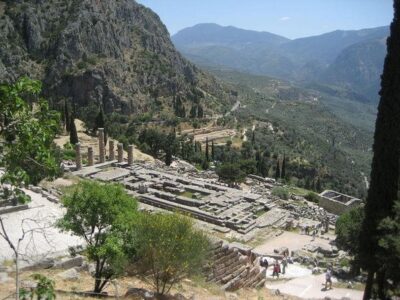
Delphi is arranged across terraces along the hillside, and the key idea here is that you’re walking through layers of time. You’ll see the 4th-century BC Temple of Apollo, linked to the Oracle, plus theatre and treasury buildings and the spaces tied to Athena and athletic activity. There’s also a modern museum focused on finds that date back at least 1500 BC, plus outstanding pieces associated with Delphi’s peak era.
Delphi can be overwhelming, in a good way. You might feel like you’re seeing a lot, but the museum helps you connect what you find on the terraces with what’s been recovered and preserved. If you care about meaning, not just masonry, Delphi is one of the best sites to prioritize adding a licensed guide.
From there, you can visit Hosios Loukas, a well-preserved Byzantine monastery UNESCO-listed, known for its 1100-year-old architecture and impressive frescoes. This stop is optional, so if you’re more “Greek ruins only,” you can skip it. If you enjoy faith and art history, it offers a clear contrast to the classical sites earlier in the trip.
Then comes lunch in Arachova, a craft-shopping town with views over the olive-filled Pleistos river valley. It’s about enjoying food, walking a bit for souvenirs, and getting ready for the next phase of the itinerary: Kalambaka, your Meteora base.
Other visits to ancient Corinth:
- From Athens: Ancient Corinth Day Trip with Canal & VR Guide★ 4.6 · 1,073 reviews
- Biblical Tour Letters ToThe Corinthians St Paul’s Footsteps 6Hour★ 5.0 · 1,065 reviews
- Private Biblical Tour Ancient Corinth & Isthmus Canal from Athens★ 5.0 · 762 reviews
- Athens: Ancient Corinth & Nafplio Full Day Trip with Swim★ 4.8 · 531 reviews
Day 4: Meteora monasteries up in the clouds, then Thermopylae on the return
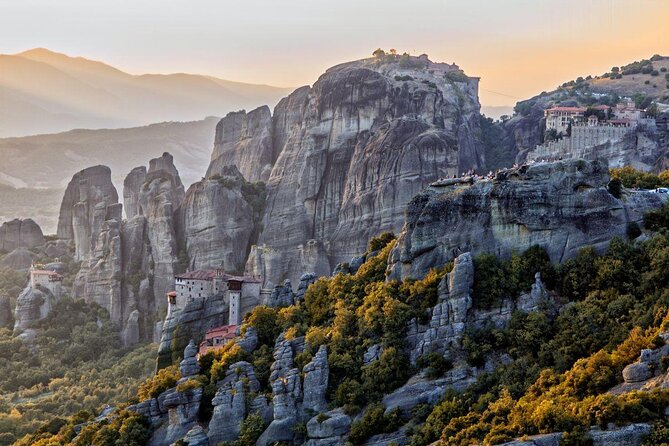
Day 4 begins with the main event: Meteora. You’ll ascend toward the monasteries built on tall natural rock pillars. The remaining monasteries date from the 14th century, and you’ll visit at least two of the most outstanding, normally Grand Meteora Monastery, Varlaam, or Agiou Stefanou.
What makes Meteora special is the physical contradiction: spirituality built into extreme geology. Even if you’ve seen monastery photos before, being up there in person changes the scale. You’ll likely spend time just looking out over the valley and then turning inward to notice the architecture and the story of monastic life.
After the monastery time, you get Kalambaka lunch in the town’s main square. It’s a practical pause after climbing and walking among viewpoints.
Then you head to Thermopylae for the final classical hit. You’ll see the monument and enter the newly built Visitor’s Center that recreates the battle where King Leonidas led the 300 Spartans in 480 BC. The site includes time for lunch or a break by the sea in nearby villages before returning south to Athens.
Hotels, vehicles, and meals: the low-stress part of the deal
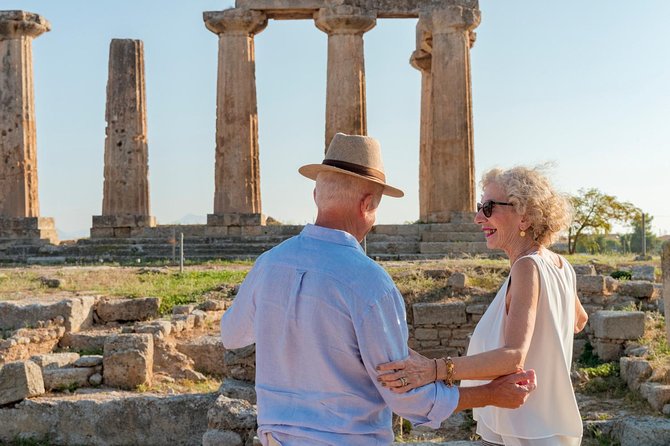
The tour aims for minimum 4-star or boutique hotels with breakfast included. In real life, that matters because a four-day “big sites” itinerary only works if your end-of-day base is comfortable enough to recover without fuss.
You’ll see variety by town. For example, some Meteora-area properties can involve a lot of stairs. If your stay happens to be at the Meteoritis Hotel, plan for climbing, as it has no elevator and no bellman. In Delphi, one commonly mentioned hotel is the Nidimos Hotel, where front rooms can mean a more direct street vibe and back rooms can be quieter due to the courtyard setting.
Meals can vary depending on which package you pick. Breakfast is included every morning. Lunch is optional unless you choose an option that includes it, and if you do add lunch, it’s described as a traditional menu each day at local restaurants with vegetarian choices available if you inform the operator about allergies.
Also, remember that tips and non-included meals are not bundled into the tour price. Build a little extra cash and keep it flexible. That one line item can make the end of the trip feel smooth instead of tight.
Getting the most from guides: driver talk is good, licensed entry is better
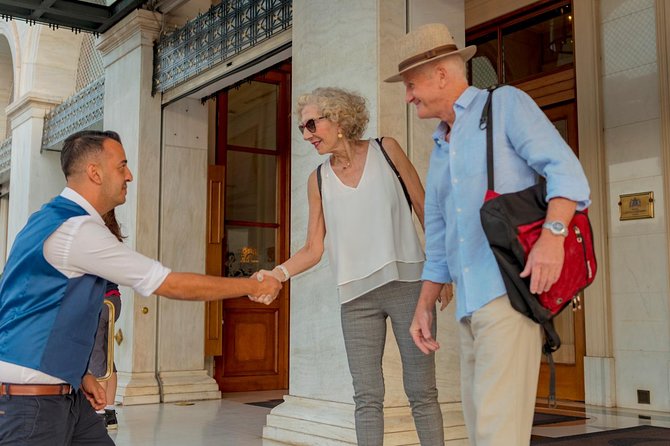
A key rule on this tour is that the driver can explain things en route, but can’t enter archaeological sites. For that, you need an expert licensed archaeological guide, which you can add on request.
This matters because some sites reward a “what you’re looking at and why it mattered” explanation. One of the strongest pieces of value from prior groups is that adding guides at key stops can be well worth the money, especially when you want a fuller interpretation rather than just walking the ground.
If you’re shopping for the experience, here’s how I’d prioritize:
- Pick at least one big “meaning-heavy” site for expert guidance, like Delphi or Epidaurus.
- Consider another for “this is how people lived and trained,” like Olympia or Mycenae.
One more practical tip: if your tour driver is someone like Petros Jajas, Yannis, Vas, or Anagnostis Tsipros, you’re likely in for a stronger day of explanation and better pacing. Names like these come up for a reason, from strong historical storytelling to genuine flexibility around small timing and “extra stops.”
What to pack and how much walking to expect
Even with a private vehicle, this itinerary is not a sit-and-smile tour. You should expect a serious walking day, with hills and steps at multiple sites.
A realistic target is around 10,000 to 11,000 steps per day, based on actual pacing described by past groups. Pack walking shoes you’ve already broken in, plus a hat and sunscreen. Bring layers too. Sun and shade change fast, especially at exposed ruins and open theatre areas.
If you’re adding monastery time at Meteora, plan for clothing rules and comfort. The tour doesn’t specify what to wear, so you’ll want to follow whatever local guidance is posted at each monastery entrance. Comfort matters because the views invite stopping, standing, and looking longer than you think.
Who this tour suits best
This is a great fit if you want a high-touch, private itinerary with premium hotels and a driver who handles the moving parts. It also works well if you’re traveling with seniors or multigenerational groups, because you can often ask for small pacing adjustments and get a smoother day structure.
It’s also ideal for history lovers who still want comfort at the end of the day. You’ll see the major names of classical Greece, but you won’t be stranded in transit gaps.
If you’re a hardcore budget traveler, you’ll feel the cost. And if you don’t plan to add licensed guides, you might prefer a model that includes more site-entry commentary. This tour relies on you choosing where you want the expert layer.
Should you book? My practical verdict
I’d book this tour if you want a private classical Greece sampler that hits the big sites, keeps travel comfortable, and gives you the option to level up with expert site guides. The value is strongest when you care about more than just photos, and you’re willing to budget for entrance fees and optional guide upgrades.
I’d hesitate if your priority is strict minimal cost or if you strongly dislike stair-heavy hotel stays. Meteora especially rewards those who plan footwear and patience for climbing.
If you want the best odds of a great day, ask about drivers by name when booking, and consider adding licensed guides for at least Delphi and one other major site. That combination tends to turn a very good itinerary into an experience you’ll actually feel in your bones.
FAQ
Is this tour private?
Yes. It is described as a private tour/activity, meaning only your group will participate.
Is pickup from Athens included?
Pickup is offered, and airport pickup and/or return is free if your arrival or departure dates coincide with the tour. Pickup time is flexible on request, and for Airbnbs you provide the exact address.
What language is the tour in?
The tour includes English.
What kind of transportation do you use?
Depending on group size and package, you use a Superior Class Sedan, Mercedes Minivan, or Sprinter, with higher packages using luxury Mercedes EClass options.
Are entrance fees included in the price?
No. Entrance fees are not included.
Can I add lunches and expert archaeological guides?
Yes. Lunch and expert licensed archaeological guides are available as add-on booking options.
Are meals included?
Breakfast is included for four mornings. Lunch is only included if you choose the package option that adds it.
Can the driver enter archaeological sites with you?
No. The tour driver can explain en route, but cannot enter archaeological sites. Licensed guides can be added for one or more sites on request.
Is there a cancellation refund?
The policy provided states free cancellation, with a full refund if you cancel at least 24 hours before the start time.
The Road Up to the Oracle
- Athens: Mythology of Delphi, Museum and Arachova Guided Tour
★ 4.7 · 5,102 reviews - From Athens: Delphi Full Day V.R. Audio Guided Tour
★ 4.6 · 3,028 reviews - From Athens: Small-Group Delphi, Museum & Arachova Day Trip
★ 4.8 · 2,476 reviews - Delphi English Day Trip from Athens with Official Guide
★ 4.5 · 2,199 reviews
Up to the Meteora Rocks
- Athens: Meteora Monasteries Day Trip with Caves and Lunch
★ 4.7 · 4,670 reviews - Athens to Meteora: Monasteries, Caves & Seaside Stopovers
★ 4.7 · 2,958 reviews - Athens: Full-Day Meteora Tour with Local Guide & Greek Lunch
★ 4.8 · 2,101 reviews - Athens: Meteora Monasteries, Caves & Coastal Stopovers with Lunch
★ 4.5 · 1,432 reviews
Latest from under the Acropolis




Delphi Oracle Day Trips, compared.
Mythology of Delphi, Museum and Arachova Guided Tour
Read our review →
Small-Group Delphi, Museum & Arachova Day Trip
Read our review →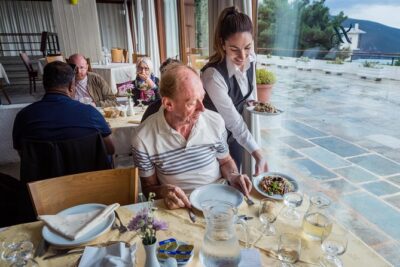
Delphi English Day Trip from Athens with Official Guide
Read our review →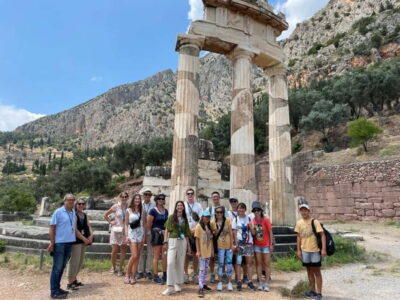
Delphi Oracle & Museum Tour with a Licensed Guide
Read our review →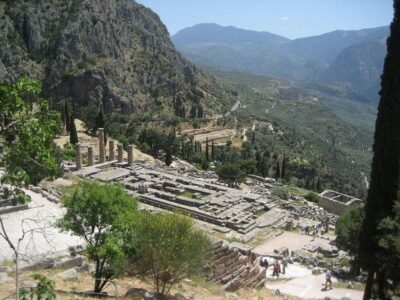
Historical Delphi One Day Tour with Arachova Stop & Expert Guide
Read our review →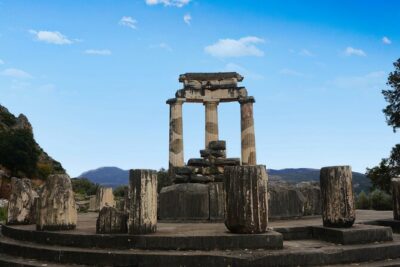
Premium Delphi Day Trip with an Expert Guide, Museum & Lunch
Read our review →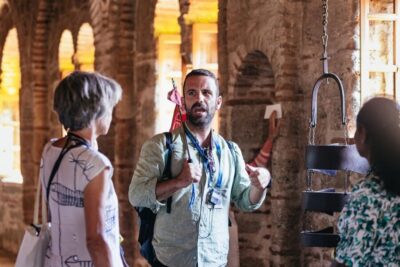
Browse the lists this tour appears in