

Reviewed · HISTORICAL TOURS
Athens: Historical Walking Tour
One hill can change how you see Athens. This guided walk strings together the Ancient Agora and the Areopagus Hill viewpoints so you get both context and killer sightlines in one afternoon. I like that it moves at a relaxed pace, yet still hits major landmarks like Hadrian’s Arch and the Odeon of Herodes Atticus.
The other thing I really like is the way the tour helps you orient yourself fast, with a 360-degree sweep of key sights from several hills. The guides are friendly, and there’s even mention of a small souvenir at the end, which makes the whole experience feel personal. One possible drawback: you should not expect it to work like a long, detailed lecture on Greek history, and there are no admissions to archaeological sites included.
In This Review
- Key highlights worth your attention
- Starting outside Thiseio Train Station, the easiest way to get your bearings
- Ancient Agora of Athens, where civic life feels real
- Fethiye Mosque Museum and Anafiotika, Athens beyond the postcard
- Hadrian’s Arch and a controlled Acropolis moment
- Areopagus Hill and Odeon of Herodes Atticus, history with a view
- Ascending the Hill of the Muses, Hill of the Nymphs, and Pnyx
- Prison of Socrates, Filopappou Hill, and the smartest photo planning
- The 17th-century cathedral stop, and why religious sites change your view
- Pacing, comfort, and what this tour really is (and isn’t)
- What to bring
- Price and value at about $81 per person
- Who should book this Athens historical walking tour
- Should you book it?
- FAQ
- How long is the Athens historical walking tour?
- Where does the tour start?
- How much does the tour cost?
- What will I see on the walk?
- Is there admission to archaeological sites included?
- What languages is the live guide available in?
- What should I bring?
- Are there any restrictions during the tour?
- Is this tour suitable for people with mobility impairments or wheelchair users?
- What is the cancellation policy?
- Can I reserve and pay later?
Key highlights worth your attention
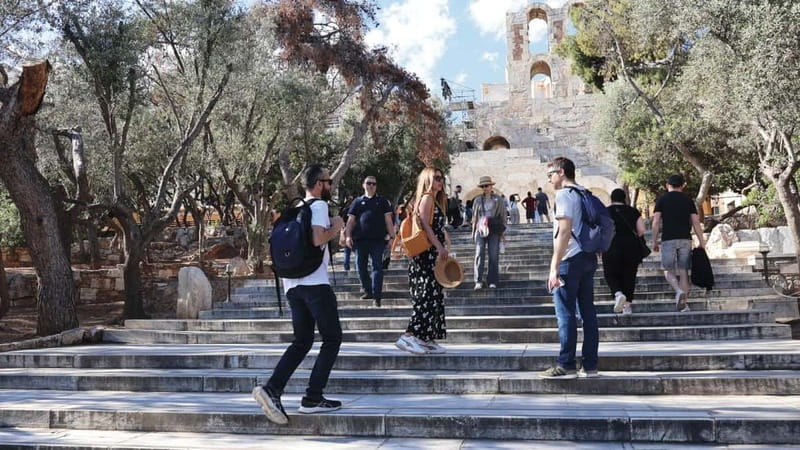
Agora-to-theater route: Ancient Agora, Roman Agora, then Odeon of Herodes Atticus for a smart mix of civic life and entertainment
Views built into the walking plan: Areopagus Hill, Hill of the Muses, Hill of the Nymphs, plus Pnyx for high-angle photos
Religious layers on one route: a visit to a 17th-century cathedral and a stop at the Fethiye Mosque Museum area
Photo stops that actually help: Hadrian’s Arch, the Acropolis, and the Prison of Socrates moments are timed for pictures
You get landmarks plus navigation help: starting at Thiseio makes it easier to see where you are and where you want to go next
Relaxed, friendly guiding: live Greek and English guidance, described as very kind and easy to follow
Starting outside Thiseio Train Station, the easiest way to get your bearings
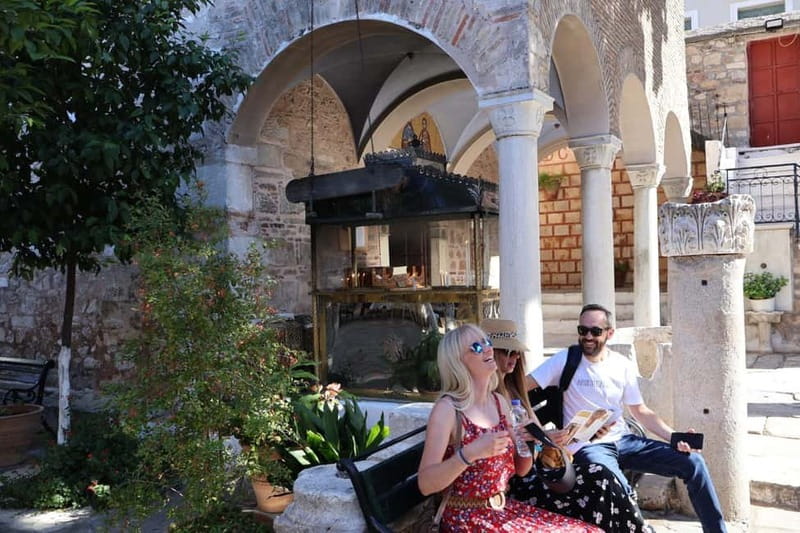
This tour starts outside Thiseio Train Station, in a historic part of Athens that feels grounded and local. If you’re trying to understand the city, I think choosing a central meeting point matters. You avoid awkward “where do we even start?” stress, and you can walk with momentum from stop to stop.
The tour leader is easy to spot with the logo Active Travelers In Greece. You’ll also want to show up ready for walking, since the whole experience is built around a continuous route that uses the terrain, not buses or short transfers. This is the kind of plan that works especially well if it’s your first days in Athens and you want a clear picture of how neighborhoods, ruins, and viewpoints connect.
More of Plaka and Monastiraki on foot:
- Acropolis and Parthenon Guided Walking Tour
★ 5.0 · 4,755 reviews - Greek Food Walking Tour in Athens
★ 5.0 · 4,740 reviews - Athens: Guided Greek Food Walking Tour with Tastings
★ 4.9 · 2,859 reviews - Acropolis monuments & Parthenon Walking Tour with Optional Acropolis Museum
★ 5.0 · 2,678 reviews
Ancient Agora of Athens, where civic life feels real
You kick off with a stop at the Ancient Agora of Athens, the center of Athenian democracy. Even if you do not have the time (or the tickets) for deep archaeological entry, this is still a meaningful introduction. The Agora is where people gathered, debated, voted, traded ideas, and talked politics out loud. A good walking tour here does not just show ruins, it gives you a mental map of how power and daily life used to overlap.
In a route like this, the Ancient Agora sets the theme for the rest of the day. Once you’ve seen the space as a civic hub, later stops like Pnyx and Areopagus Hill make more sense. You start noticing what Athens tends to repeat in different eras: public gathering places on strong sightlines.
Fethiye Mosque Museum and Anafiotika, Athens beyond the postcard
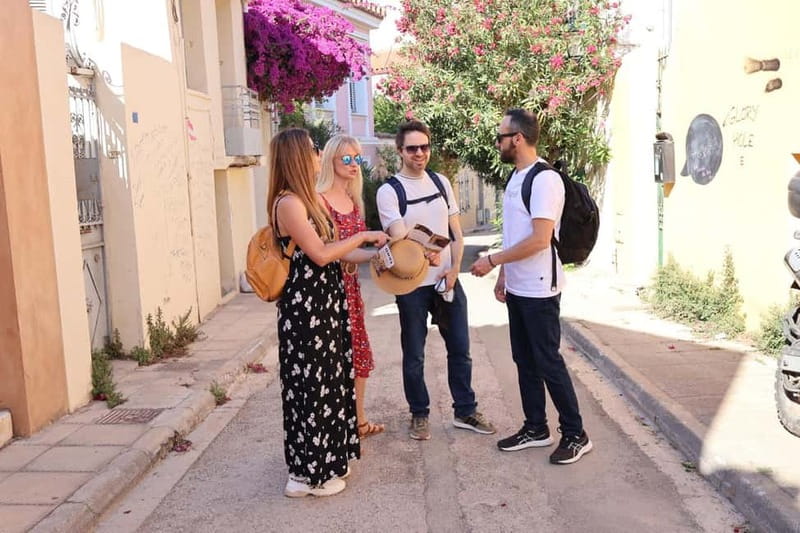
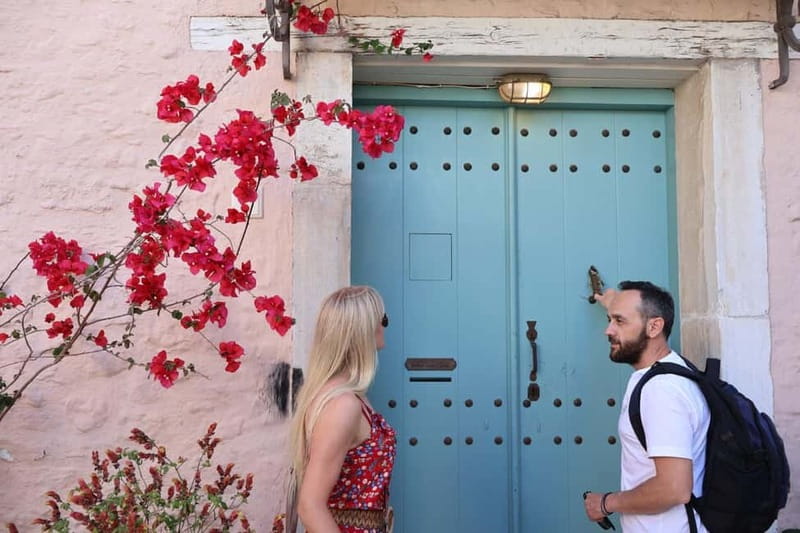
After the Agora area, the route shifts into the layered, human scale of Athens. The itinerary includes a stop near the Fethiye Mosque Museum and then a walk through Anafiotika, which sits in the Plaka area and carries a Cyclades-like feel.
This is one reason I like this tour for first-timers. You are not only chasing famous monuments. You also get a breather through small, character-filled streets where the city feels lived in. Anafiotika is often where people start thinking, oh, Athens is more than just ruins and hills. It’s neighborhood texture too.
So even if you only remember the Agora’s big idea and a handful of photos from the Acropolis area, the walk through Plaka and Anafiotika helps you remember what it feels like to be in Athens between those big moments.
Hadrian’s Arch and a controlled Acropolis moment

You’ll pass by and get a photo stop at Hadrian’s Arch, then there’s another photo moment connected to the Acropolis of Athens. The value of these stops is not just the view. It’s timing and guidance. A guided pace helps you hit the landmark angles you would likely miss if you were walking on your own.
Hadrian’s Arch is a nice contrast point because it sits in that in-between space where different periods of Athens overlap. It gives you a visual checkpoint that ties into the rest of the day’s theme: the city keeps transforming, but old routes and sightlines stay important.
Then the Acropolis photo stop gives you a way to connect the hills you will climb later. When you finally reach the lookouts, the earlier Acropolis moment works like a reference photo in your head, helping you orient what you’re seeing.
Areopagus Hill and Odeon of Herodes Atticus, history with a view
One of the best parts of this tour is the climb to the top of Areopagus Hill. The route frames Areopagus as an ancient site of law and justice, so it’s not just a hill with a view. It’s also a reminder that Athens built public life around specific places where decisions, debate, and authority happened.
From there, you’ll admire the Odeon of Herodes Atticus. This ancient theater adds a different flavor. It’s still public space, but focused on performance and spectacle. I like when walking tours show you civic Athens and cultural Athens in the same arc, because it makes the whole city feel like one connected system.
Expect the tone of the day to shift here. You’re moving upward, getting wider angles, and slowing down just enough for photos. This is also the stretch where comfortable shoes really matter. The hills are part of the point, but your body has to be in the game.
A handful more Athens outings to compare
- Historical Delphi One Day Tour with Arachova Stop & Expert Guide★ 4.5 · 1,247 reviews
- Historic Athens: Small Group Electric Bike Tour★ 4.9 · 966 reviews
- Acropolis, Parthenon & Athens Old City Heritage Walking Tour★ 4.5 · 876 reviews
- Athens: Small Group E-Bike Tour of Historic Highlights★ 4.9 · 154 reviews
Ascending the Hill of the Muses, Hill of the Nymphs, and Pnyx
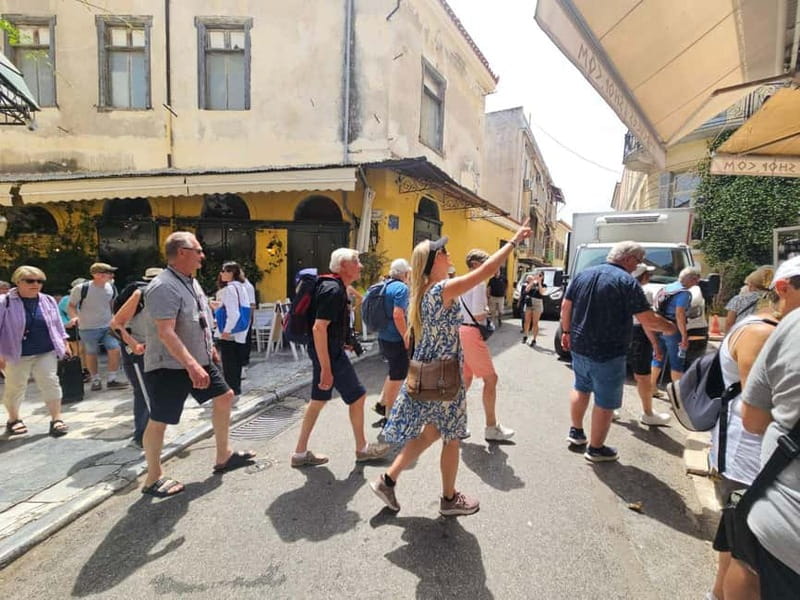
After Areopagus, the itinerary includes ascending the Hill of the Muses and the Hill of the Nymphs, both paired with stunning views of the Acropolis. This is where the tour earns its “walking tour” identity. You do not only look at the Acropolis, you understand how it sits in a wider landscape of viewpoints.
Then comes Hill of Pnyx, described as the birthplace of democracy. That phrasing matters because it closes the loop from the Agora. If Ancient Agora introduces you to democratic civic life, Pnyx gives you another angle on that same idea, tied to public speaking and assembly.
On this part of the route you also pass by the National Observatory of Athens. It’s a quick “look and note it” moment, but it helps you realize Athens is not frozen in ancient time. Later centuries added their own layers on the same dramatic hills.
Prison of Socrates, Filopappou Hill, and the smartest photo planning

Two itinerary moments stand out as practical photo wins: a photo stop at the Prison of Socrates and walking at Filopappou Hill.
The Prison of Socrates stop is brief, but it’s the kind of location that benefits from a guide’s context. Even if you are not going inside anywhere, you’ll get a clearer sense of what the stop symbolizes in Athens’ story.
Filopappou Hill adds a lighter touch. It’s in the walking-between-monuments category, which is good because it keeps the day from feeling like an endless series of hard stops. If you like breathing space between the big sites, you’ll appreciate this rhythm.
The 17th-century cathedral stop, and why religious sites change your view
The route includes a visit to a cathedral from the 17th century and also includes time around the Fethiye Mosque Museum. I think this mix is quietly powerful because it shows Athens as a city that continued evolving long after classical times.
When you’re only focused on ancient landmarks, it’s easy to treat the city like a museum. But mixing religious sites and museums into the same walking day helps you see Athens as a living place with multiple layers of culture. It also gives you variety in architecture and atmosphere, which can make the walking more enjoyable.
Pacing, comfort, and what this tour really is (and isn’t)

This is a 3-hour walking tour with a live guide in Greek or English. It’s designed as a guided route, not a deep, sit-and-study archaeology lesson. That matches what I’d call a “relaxed history walk” style.
Here’s what you should plan for:
You’ll be walking continuously for about 3 hours.
You should be ready for a climb to Areopagus Hill, plus additional ascents for the Hill of the Muses and the Hill of the Nymphs.
There are photo stops, but also real walking segments, including Anafiotika and areas around the hills.
What you should not plan on:
No admission to archaeological sites is included.
The format is a walking tour, and it does not position itself as a professional, lecture-heavy deep dive.
If you want a hands-on course-level explanation at every ruin, this might not fully satisfy you. If you want a guided way to see the big landmarks, get context, and come away feeling oriented, it fits nicely.
What to bring
Bring comfortable shoes first. Then add the basics: water, sunscreen, sunglasses, and a sun hat. Comfortable clothes help more than you’d think when you’re climbing. If you take personal medication, bring it with you, since the tour does not mention on-site access.
Price and value at about $81 per person
At $81 for 3 hours, the value depends on your travel style. If you prefer paying for guidance so you get the route, the context, and the best angles for photos without having to map everything yourself, this price can feel fair. You’re getting a guided circuit that connects major landmarks, multiple hills, and several photo stops.
Also, the tour does not include admissions to archaeological sites. That can be a plus if you intentionally planned not to add ticket costs, or if you want the tour as an orientation day rather than a full-ticket museum day.
If you are the type who wants extended time inside specific sites and doesn’t care much about hill viewpoints, you might find the “mostly walking with photo stops” format less cost-effective. But if you want a high-yield loop for first-time Athens, it’s a smart way to spend half a day.
Who should book this Athens historical walking tour
I think this tour is a good fit if you:
want an easy way to cover multiple iconic places in one route
like photos from viewpoints as part of the experience
want guidance in Greek or English and appreciate a friendly, easy pace
are okay with a lighter touch on history, focusing on the main story and how places connect
I would hesitate if you:
have mobility impairments or use a wheelchair, since it is not suitable for people with mobility impairments
expect admissions or long time inside archaeological sites
want a full course on Athens history, this is more about orientation and highlights than a deep syllabus
Should you book it?
If your goal is to see Athens in a smart, connected loop, get viewpoint photos, and understand what sites mean without planning every step yourself, I’d say yes, book it. The combination of Agora stops, hill climbs like Areopagus, and a well-organized photo plan around Hadrian’s Arch and the Odeon makes it a strong use of a 3-hour window.
If, however, you want admissions included and very detailed historical explanations on demand, consider pairing this with another visit that offers deeper site access and more time at fewer locations.
FAQ
How long is the Athens historical walking tour?
It lasts 3 hours.
Where does the tour start?
The meeting point is outside Thiseio Train Station.
How much does the tour cost?
The price listed is $81 per person.
What will I see on the walk?
You’ll see the Ancient Agora of Athens, the Roman Agora, Anafiotika, Hadrian’s Arch, photo stops for the Acropolis and the Prison of Socrates, Areopagus Hill, and the Odeon of Herodes Atticus, plus walks and viewpoints on Filopappou Hill, the Hill of the Muses, the Hill of the Nymphs, and Pnyx, with the National Observatory of Athens passed by.
Is there admission to archaeological sites included?
No, the tour does not include any admission to archaeological sites.
What languages is the live guide available in?
The live tour guide is available in Greek and English.
What should I bring?
Bring comfortable shoes, water, sunscreen, sunglasses, and a sun hat, plus any personal medication you need. Comfortable clothes help too.
Are there any restrictions during the tour?
Alcohol and drugs are not allowed.
Is this tour suitable for people with mobility impairments or wheelchair users?
No, it is not suitable for people with mobility impairments or wheelchair users.
What is the cancellation policy?
Free cancellation is available up to 24 hours in advance for a full refund.
Can I reserve and pay later?
Yes, reserve now and pay later is listed as an option.
Latest from under the Acropolis




Historical Tours, compared.
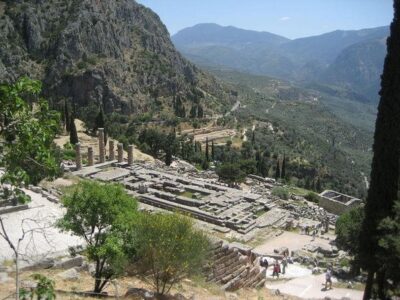
Historical Delphi One Day Tour with Arachova Stop & Expert Guide
Read our review →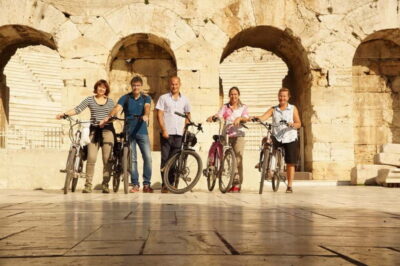
Historic Athens: Small Group Electric Bike Tour
Read our review →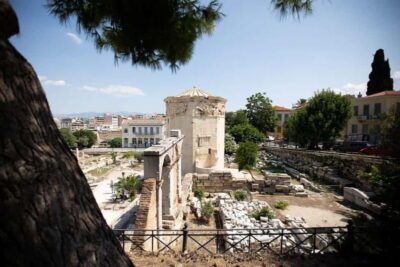
Acropolis, Parthenon & Athens Old City Heritage Walking Tour
Read our review →
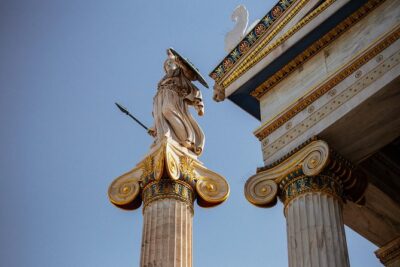
The History of Athens: Greek Mythology Private Tour
Read our review →
Athens Highlights by E-Bike: Small-Group Historic Tour
Read our review →
Half day tour to Acropolis and the must-see historical sites and downtown
Read our review →
Browse the lists this tour appears in