
Reviewed · WORKSHOPS
Athens: Hand-Building Pottery Workshop in Koukaki
If clay time could calm jet lag, this is it. In a small Koukaki studio, you shape hand-built pottery and leave with a piece of Athens to pick up later.
I love how beginner-friendly it is. You do not need any prior experience, and the studio provides all the materials, tools, and guidance you need to get started.
One consideration: you will not take a fully finished, glazed item home the same day. Your work is prepared for firing and glazing, then you pick it up later (or ship it).
In This Review
- Key highlights you will actually care about
- Koukaki Pottery Studio, Minutes from the Acropolis
- The Two-Hour Lesson: Pinch, Slab, and Coil Work
- Choosing Your Piece: Bowl, Mug, Plate, or a Decorative Object
- Inside the Studio: What Actually Happens During Class
- Glazing, Twice-Fired Results, and the 3-Week Wait
- What the $82 Price Really Buys You
- Languages, Group Size, and Why the Tutor Matters
- What to Bring and How to Dress for Clay Time
- Pickup, Shipping, and How to Plan Around Your Souvenir
- Who This Workshop Is Best For
- Should You Book This Koukaki Pottery Workshop?
- FAQ
- Do I need any pottery experience to join?
- How long is the workshop?
- What can I make during the class?
- Are decoration and glazing included?
- When will my pottery be ready?
- What should I wear?
Key highlights you will actually care about
- Koukaki location, minutes from the Acropolis, in an artsy neighborhood people love to wander on foot
- No experience needed, plus everything is included, so you only bring clothes you can ruin a little
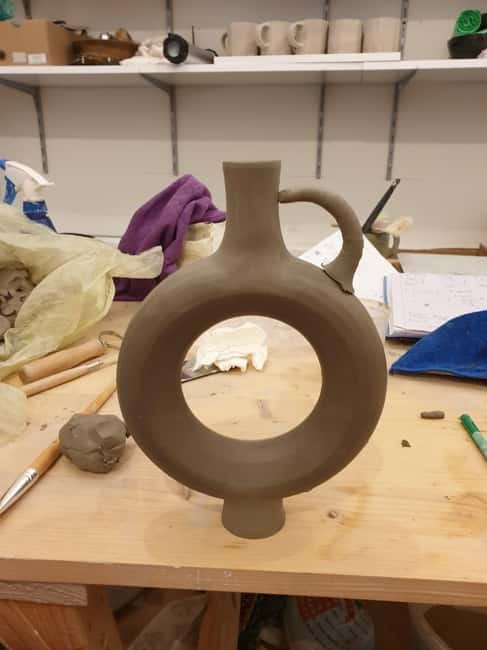
- You learn hand-building basics like pinch pots, slab work, and coil construction, with a real ceramic artist coaching you
- Decoration and glazing happen in the class, and firing is completed twice
- Small group size, limited to 10, with the friendly, chatty vibe you want from a hands-on workshop
- Pickup in about 3 weeks, or shipping for an added cost depending on destination
Koukaki Pottery Studio, Minutes from the Acropolis
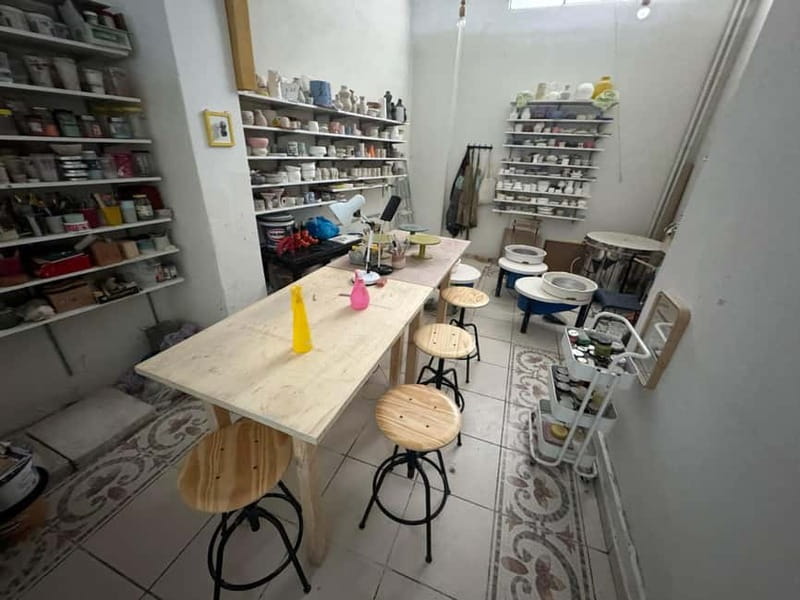
This workshop happens in Koukaki, one of Athens’ most artistic neighborhoods. The big win here is convenience: you can make pottery time part of a normal sightseeing day, and still feel like you stepped away from the crowds.
The studio is called Little Pot Ceramic Workshop. In other words, you are not traveling across Athens for a distant activity. You can also pair this with an early or late walk around nearby streets, then head into the class when you want to slow down.
I like that it is a small, studio-based experience. You are not sitting through a lecture. You are working at a table with clay, tools, and direct help from the ceramic artist.
More Athenian benches to work at for a morning:
- Athens: Classic Cooking Class with Market Visit and Wine
★ 5.0 · 1,101 reviews - Athens: Food Market Visit and Cooking Class with Wine
★ 4.9 · 1,087 reviews - Greek Cooking Class in Athens Including Rooftop Dinner with Acropolis View
★ 5.0 · 826 reviews - Greek Small-Group Athens Cooking Class & Dinner
★ 5.0 · 574 reviews
The Two-Hour Lesson: Pinch, Slab, and Coil Work
The class is built around three classic hand-building techniques. Even if you only manage one well, the time is structured so you understand what each method does and why potters use them.
You will learn:
- Pinch pot: using your fingers to shape small bowls or forms
- Slab building: rolling flat clay sheets, then cutting and assembling
- Coil building: stacking clay rolls to create vessels
In real workshops like this, the “which technique do I focus on” factor can vary depending on group pace. You should expect instruction across the main methods, but the teacher may spend extra time on one approach if everyone needs similar help. That can be a positive thing, because it gives you confidence instead of rushing you through three half-finished attempts.
You also get a practical sense of texture and form. Clay is honest. If your walls are too thick or uneven, you will feel it right away. That instant feedback is part of the magic.
Choosing Your Piece: Bowl, Mug, Plate, or a Decorative Object
You do not come in locked to one finished product. You can choose what you want to build, like a bowl, mug, plate, or a decorative object. That matters because the “best” technique depends on the form.
For example, pinch pots naturally fit small, simple pieces. Slab work makes sense when you want flatter shapes, like a small plate or a more graphic, carved style. Coil building often helps for items that need height and structure, like a mug or a vessel.
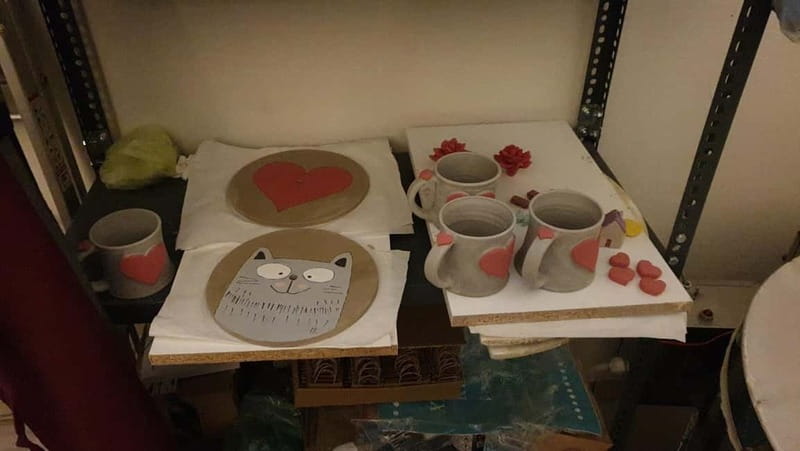
During class, you shape your item and then add decoration or texture based on what you like. You can carve designs or create tactile patterns. It is the kind of freedom that makes the result feel personal, even if you are a first-timer.
Just remember the timeline. Your work is prepared for firing and glazing, so your chosen form is only “complete” once the studio finishes those steps.
Inside the Studio: What Actually Happens During Class
Here is the rhythm you can expect from a beginner-focused, hands-on studio class like this.
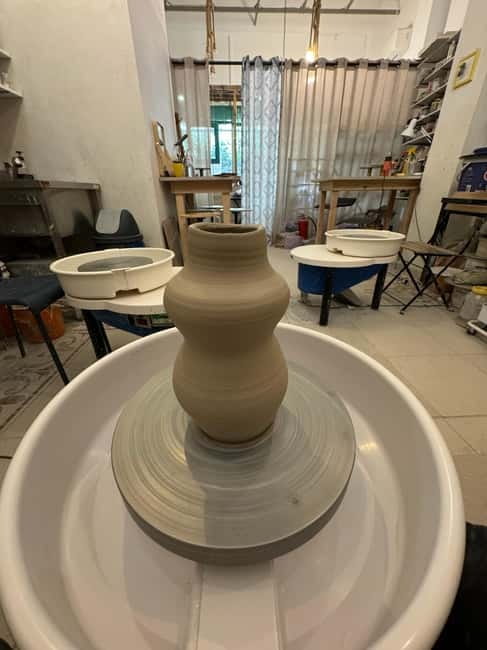
First, you settle in and get shown the basic handling of clay. You learn how to start a form and how to adjust thickness and shape while the clay is still workable. This is the moment where most people go from intimidated to capable.
Then you move into your main construction. Whether it is pinch, slab, or coils, the teacher guides you through steps, not just outcomes. You are not guessing how to place your fingers or where to join pieces. You get corrections while the clay is soft.
Next comes decoration and surface work. This is where you can slow down. Carved lines and pressed textures tend to look best when you keep them consistent and not too tiny. The instructor helps you make choices that will survive firing.
Finally, your piece is prepared for the studio process. You do not just leave with raw clay. The studio takes your work through the needed stages so it can become a usable ceramic item.
Glazing, Twice-Fired Results, and the 3-Week Wait
This is the part people misunderstand, so pay attention. Your workshop experience includes firing of your pottery piece twice, plus glazing. That is good news for quality, because repeated firing and proper glazing help create the sturdy finish you expect from ceramics.
But it also creates the waiting period. Your ceramic is ready for pickup about 3 weeks after the workshop. If you want it shipped, shipping is available at an extra charge, and the cost depends on your destination country.
One practical tip: plan this as a souvenir with a schedule, not an instant craft. If you like the idea of taking home something physical right now, this class will feel different. You are creating the piece now, and Athens delivers the finished ceramic later.
This “make now, enjoy later” approach is worth it. The quality level usually improves when the studio handles firing and glazing properly, rather than trying to do everything during a two-hour session.
Same hours, spent a different way in Athens:
- Athens: Acropolis & up to 5 Archaeological Sites Combo Pass★ 4.2 · 13,904 reviews
- Athens: Acropolis, Parthenon & Acropolis Museum Guided Tour★ 4.8 · 9,316 reviews
- The Acropolis, Parthenon & Acropolis Museum Guided Tour★ 4.7 · 8,493 reviews
- Athens: Cape Sounion & Poseidon Temple Sunset Half-Day Trip★ 4.8 · 8,241 reviews
What the $82 Price Really Buys You
At $82 per person for a two-hour workshop, the value comes from what is included, not just the teaching time. You get all materials and equipment, plus decoration and glazing. You also get firing twice, which is the real cost driver in ceramic work.
You are not paying to rent tools. You are paying for the studio process that turns clay into a finished ceramic piece. That is the part most first-time experiences cannot replicate on your own.
Small group size, limited to 10, also matters here. When you are sharing bench space with a bigger group, it is harder to get corrections quickly. In a smaller class, the teacher can actually respond to how your clay looks right then.
Finally, consider the location value. Koukaki is convenient, and you can pair this activity with nearby sightseeing without adding a lot of transportation time. That saves money in a sneaky way, because you spend less time paying to get across the city.
Languages, Group Size, and Why the Tutor Matters
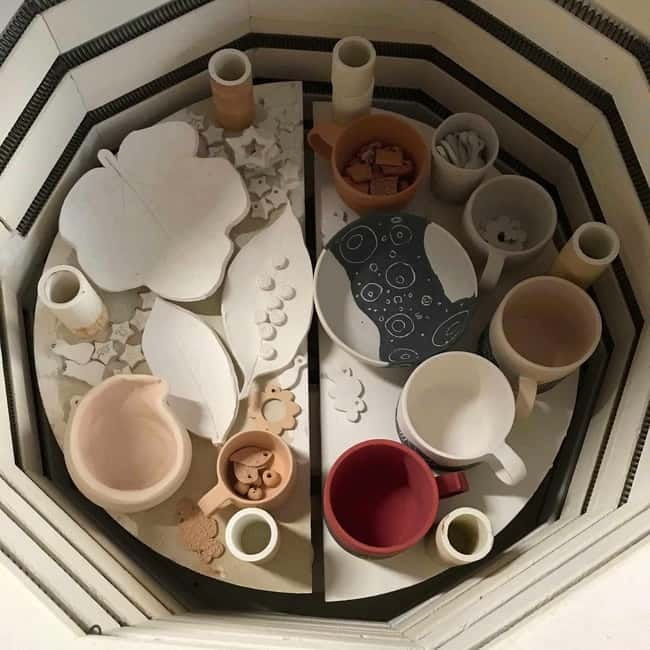
The class runs in English and Greek. That reduces friction fast, especially if you are not comfortable speaking Greek. You can follow instructions clearly and ask questions without getting stuck.
The small group setup can also shape your experience. With only a limited number of participants, the teacher can slow down and help you where you need it. One review noted a very friendly, conversation-friendly tutor approach, even when language differences existed. That kind of relaxed communication is what makes a craft class feel welcoming instead of stressful.
It also helps if you want a more personal experience. Another review mentioned a private feeling when the group was very small, like only two people. If you end up in a similarly small group, you likely get more direct guidance and time to make choices.
If you prefer quiet focus, you might still find conversation around you. But it is usually the gentle kind that fits a small creative studio.
What to Bring and How to Dress for Clay Time
Do not overthink it, but do plan what you wear. You are working with clay, which can stain and cling. The studio asks you to wear comfortable clothes and clothes you do not mind getting dirty.
That means:
- Wear something you can wash after, like cotton or older casual pieces
- Bring closed-toe shoes if you have them
- Skip your nicest layers, even if you think you will be careful
A practical mindset helps. You are not going to run back to your hotel in a perfect outfit. You are going to focus on making something and enjoying the process.
Also, if you are planning to go out for dinner right after class, consider grabbing a quick stop for a change of clothes. Athens heat and evening plans can make you forget, until you see your hands.
Pickup, Shipping, and How to Plan Around Your Souvenir
Your finished ceramic will be ready for pickup in about 3 weeks. The workshop provides instructions for collecting your piece then.
If you cannot return to Athens in time, shipping is possible for an extra fee. Shipping depends on the country you are sending to, so you should expect the cost to vary. If you want this option, plan early enough that you can confirm details before your trip ends.
Either way, you get a souvenir that feels different from a typical store purchase. It is not just a Greek-themed object. It is something you shaped yourself, with the teacher guiding you step by step.
Who This Workshop Is Best For
This is a strong fit if you:
- Want a hands-on activity that does not require experience
- Like practical, guided learning over watching
- Prefer small groups and personal attention
- Want a meaningful souvenir with a real process behind it
It is also a good choice for couples or solo travelers. Clay workshops tend to work well because you can focus on your own piece without feeling rushed by group pace.
If you are traveling only with a carry-on and hate waiting for pickup, you might still do it if you are comfortable with shipping costs. If neither pickup timing nor shipping works for your schedule, you may want a different Athens activity.
Should You Book This Koukaki Pottery Workshop?
I think it is worth booking if you want an actual making experience, not a sightseeing stop with a quick demo. The combination of beginner-friendly instruction, all materials included, and studio handling of firing and glazing makes the price feel grounded.
Book it if you can handle the key tradeoff: your finished piece arrives in about 3 weeks, not immediately. If that timing works for your trip, you will likely leave with a piece that feels genuinely yours.
Skip it only if you need instant results to bring home the same day, or if you know you cannot manage pickup or shipping after your time in Athens.
If you want a calm, creative break near major sights, Koukaki is a smart place to do it, and this workshop is the kind of activity that makes your trip feel more personal.
FAQ
Do I need any pottery experience to join?
No. This is set up for beginners, and you get guidance from an experienced ceramic artist. All materials and equipment are included.
How long is the workshop?
It lasts 2 hours.
What can I make during the class?
You can choose to make something like a bowl, mug, plate, or a decorative object.
Are decoration and glazing included?
Yes. Decoration and glazing of your pottery piece are included as part of the class.
When will my pottery be ready?
Your pottery will be ready for pickup in about 3 weeks. Shipping is available, but it is not included in the price and depends on your destination country.
What should I wear?
Wear comfortable clothes that you do not mind getting dirty. Clay work can be messy, so plan for staining.
Latest from under the Acropolis






Workshops, compared.
Classic Cooking Class with Market Visit and Wine
Read our review →
Food Market Visit and Cooking Class with Wine
Read our review →
Greek Cooking Class in Athens Including Rooftop Dinner with Acropolis View
Read our review →
Greek Small-Group Athens Cooking Class & Dinner
Read our review →

Greek Cuisine Cooking Class and 3-Course Dinner
Read our review →
Traditional Greek cooking class and lunch or dinner with an Acropolis view
Read our review →
Athens Airport Private Transfer by Mercedes-Benz E Class Wagon to City Center
Read our review →Browse the lists this tour appears in