Reviewed · ATHENS
Understanding the Refugee Crisis
Refugees are arriving in Greece, and the story is bigger than headlines. This 90-minute Athens walk uses the city’s streets to explain why people flee, with a focus on Syria, Afghanistan, and other regions, plus how your attitude can shift after you learn the context. It is safe, but it is not light in theme.
I like that the walk gives you real-world background, not just news-style talking points. I also like the route through Victoria, Aghios Panteleimonas, Omonia, and Metaxourgio, because the neighborhood mix helps you see how multicultural Athens can feel on the ground.
The main drawback to consider is emotional weight. If you are easily overwhelmed, this experience might be tough, because it centers on the challenges refugees face and the reasons they are forced to move.
In This Review
- Key things to know before you go
- Why This Refugee Crisis Walk Hits Harder Than News Stories
- Meeting at Green Park Athens, and How the 90 Minutes Work
- Following the Neighborhoods: Victoria, Aghios Panteleimonas, Omonia, and Metaxourgio
- Victoria, a place shaped by what is changing
- Aghios Panteleimonas, where the streets feel lived-in
- Omonia, the contrast you cannot skip
- Metaxourgio, multicultural by design and by reality
- The Core Lesson: Understanding Why People Flee
- What you gain: perspective you can use
- What you do not get: a purely academic lecture
- Handling Urban Decay While Keeping the Focus on People
- Price and Value: Is $35 for 90 Minutes Worth It?
- Safety, Emotional Readiness, and Who This Tour Suits Best
- A Practical Way to Get More Out of the Walk
- Should You Book This Refugee Crisis Walk in Athens?
- FAQ
- Where do we meet for the walk?
- How long is the experience?
- What does it cost?
- What languages is the guide available in?
- Can I request the experience in Spanish?
- Is the walk safe?
- What areas does the walk include?
- Will we see parts of Athens that look run down?
- What is the cancellation policy?
- Can I book and pay later?
Key things to know before you go
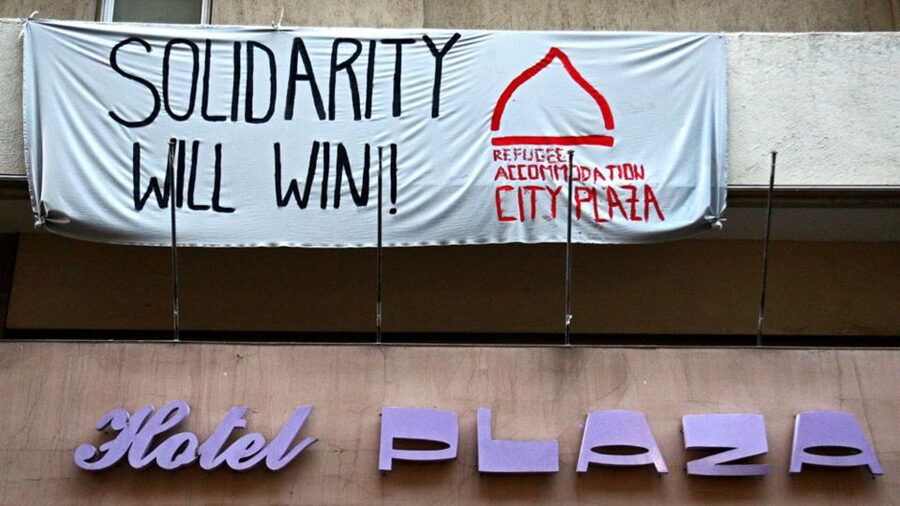
- A refugee crisis education walk focused on why people flee, with attention to Syria and Afghanistan.
- A city-neighborhood route through Victoria, Aghios Panteleimonas, Omonia, and Metaxourgio.
- Urban reality included, you will observe a degree of urban decay and abandoned neoclassical buildings.
- Live guide in English or Spanish, with Spanish availability if requested before booking.
- Short, focused timing, a 90-minute experience that is easier to fit into a busy Athens day.
- Designed to shift perspectives, with empathy as a stated goal.
Why This Refugee Crisis Walk Hits Harder Than News Stories
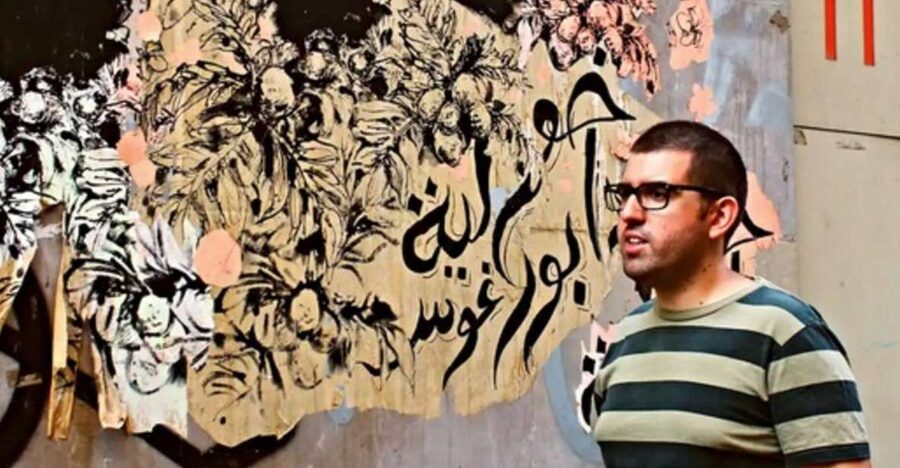
Athens sits at a crossroads, and that reality reaches the streets where people live, work, and gather. This walk is built around one simple idea, you cannot understand the refugee crisis by only watching headlines. You need the “why” behind the flight, and you need it explained in a way that makes room for empathy.
What makes this experience especially relevant is the way it connects large events to everyday life in Central Greece. You are not asked to memorize stats. You are asked to understand situations, challenges, and pressures that push people to leave their homes.
Before you book, here is what else runs from Athens:
- Athens: Acropolis & up to 5 Archaeological Sites Combo Pass
★ 4.2 · 13,904 reviews - Athens: Acropolis, Parthenon & Acropolis Museum Guided Tour
★ 4.8 · 9,316 reviews - The Acropolis, Parthenon & Acropolis Museum Guided Tour
★ 4.7 · 8,493 reviews - Athens: Cape Sounion & Poseidon Temple Sunset Half-Day Trip
★ 4.8 · 8,241 reviews
Meeting at Green Park Athens, and How the 90 Minutes Work
You will meet at the entrance of Green Park Athens. From there, the guide keeps things moving long enough to keep your attention, but short enough that you can pair it with other Athens plans the same day.
The walk lasts 90 minutes, so it works well if you want substance without committing to a half-day or full-day tour. You also get live interpretation in English or Spanish, which matters if you want the discussion to land clearly rather than be reduced to a summary.
Because this is a walk with emotional content, go in with a realistic mindset. Plan to be present, and consider how you want to process what you hear after the tour ends.
Following the Neighborhoods: Victoria, Aghios Panteleimonas, Omonia, and Metaxourgio
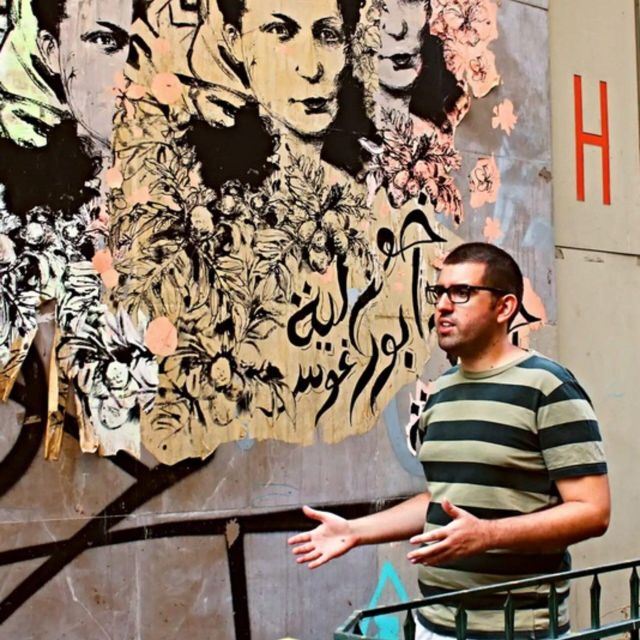
The route is one of the biggest reasons the tour feels grounded. You spend time in Victoria, Aghios Panteleimonas, Omonia, and Metaxourgio, areas that include abandoned neoclassical buildings and highly multicultural neighborhoods.
Victoria, a place shaped by what is changing
Victoria is part of Athens’ story of shifting populations and visible contrasts. Expect to notice the physical reminders of time and change, including buildings that look left behind, not abandoned in a dramatic way, just worn by neglect.
For me, the value here is connection. When you learn about refugees moving through real systems, it helps to stand where “system change” is visible in architecture and neighborhood texture.
Aghios Panteleimonas, where the streets feel lived-in
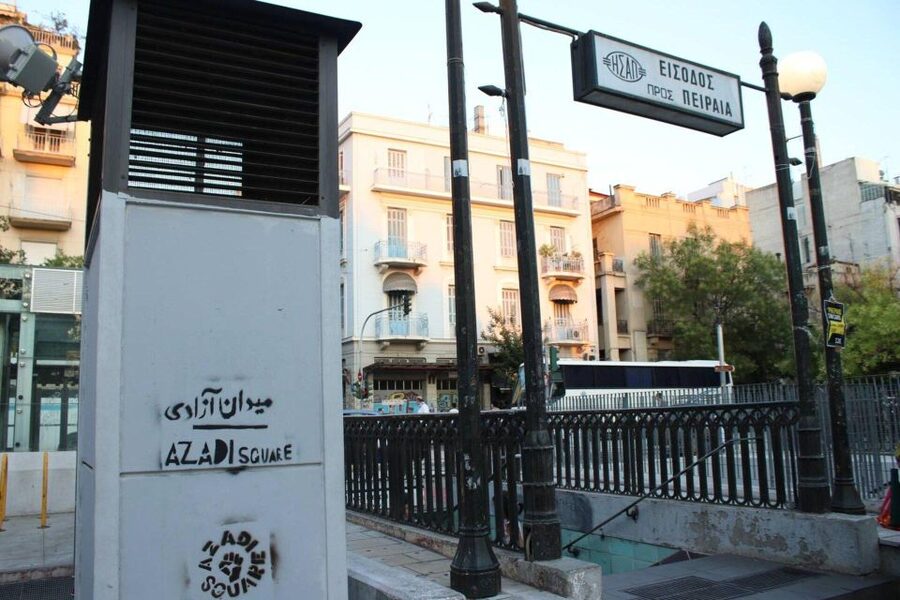
Aghios Panteleimonas is presented as part of a multicultural Athens. That matters, because it undercuts a common mental shortcut, refugees are not only “far away.” They connect to the same city space that locals move through every day.
This stop also helps you understand how neighborhoods can hold many identities at once. That is the kind of context that turns abstract sympathy into something more specific.
Same hours, spent a different way in Athens:
- Acropolis: Premium Acropolis and Parthenon Guided Tour★ 4.8 · 5,208 reviews
- Athens: Mythology of Delphi, Museum and Arachova Guided Tour★ 4.7 · 5,102 reviews
- All Day Cruise -3 Islands to Agistri,Moni, Aegina with lunch and drinks included★ 5.0 · 4,958 reviews
- Athens, Piraeus, and Coastline: Blue Hop-On Hop-Off Bus★ 3.9 · 4,849 reviews
Omonia, the contrast you cannot skip
Omonia is where you often sense the push and pull of Athens, parts of the city that can feel both central and complicated. On this walk, it functions as more than a landmark. It supports the tour’s theme, how people and circumstances intersect in the real world.
If you are sensitive to urban decay, keep in mind the tour explicitly notes you will observe some of it. The guide does not hide the details, and that honesty is part of the lesson.
Metaxourgio, multicultural by design and by reality
Metaxourgio rounds out the loop with the multicultural tone the tour highlights. The area is described as having some of the most multicultural neighborhoods in Athens, which gives the theme a local anchor.
By the time you reach this portion, you are better prepared to connect the tour’s empathy goal with what multicultural everyday life can feel like.
The Core Lesson: Understanding Why People Flee
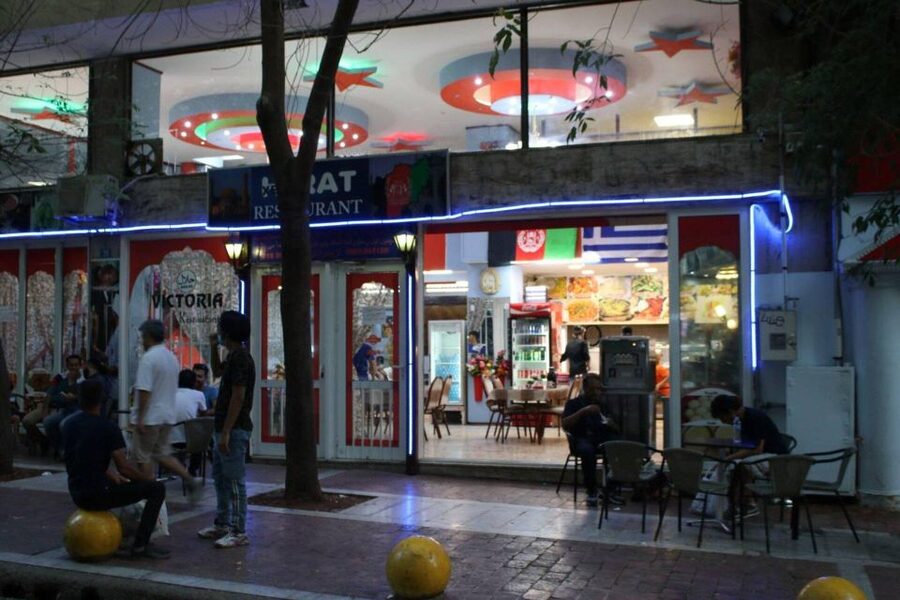
The heart of the experience is the explanation of the underlying reasons people are forced to flee. The tour is clear about its purpose: refugees keep arriving in Greece and Europe, but media coverage often fails to address the reasons behind the flight.
Instead of treating the refugee crisis as a talking point, the walk frames it as a chain of pressures and conditions that people cannot escape safely. The content specifically includes insight into Syria, Afghanistan, and other regions, so you get a wider view rather than one-note storytelling.
What you gain: perspective you can use
You might not leave with a new political slogan. You will leave with a more accurate mental model of what flight can mean, including the kinds of threats and constraints that push people to seek safety elsewhere.
That matters because attitudes change faster when you understand what someone is escaping. It is easier to shift from judgment to empathy when you know what the decisions actually cost.
What you do not get: a purely academic lecture
This is not described as an academic exercise. The tone is meant to be human, and the tour moves beyond purely informational framing to focus on the challenges refugees endure.
If you like tours that make you think, but also ask you to feel the weight of the topic in a respectful way, this will land well.
Handling Urban Decay While Keeping the Focus on People
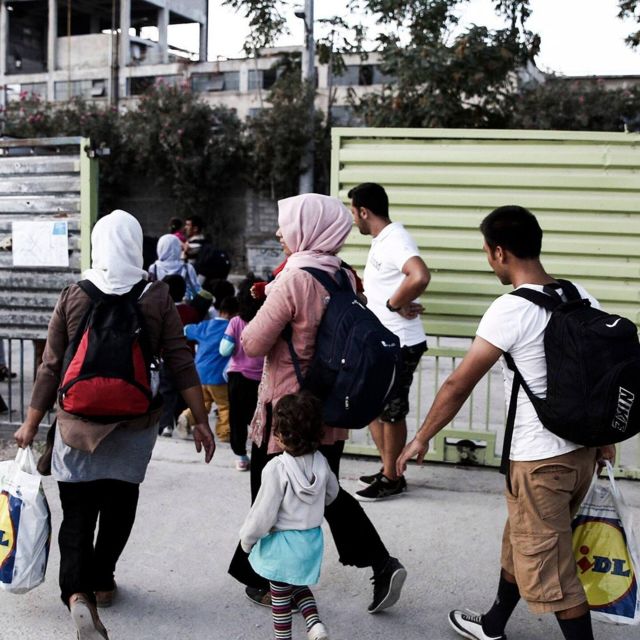
A key note in the tour description is that you will observe a degree of urban decay during the walk. You will see abandoned neoclassical buildings in the neighborhoods covered.
That can sound like a purely visual detail, but it actually supports the tour’s themes. When you stand among visible neglect, it becomes easier to understand why safety, stability, and social support are not evenly distributed. Cities are real systems, and those systems affect everyone, locals and newcomers alike.
That said, this is also a practical consideration. If you are expecting a postcard version of Athens, you will likely find this portion uncomfortable. If you can handle it, the experience becomes more honest.
Price and Value: Is $35 for 90 Minutes Worth It?
At $35 per person for a 90-minute live guided walk, you are paying for two things. First, you are paying for a guide to explain a difficult topic with care. Second, you are paying for a structured route through specific Athens neighborhoods rather than doing a random self-guided wander.
This price feels most reasonable if you want guided context. Refugee crisis topics can become shallow fast when you self-interpret. Having a live guide helps you stay on track, especially with the stated goal of shifting attitudes through understanding.
If you are only looking for scenery, this may not be the best deal. But if you want a short, guided, discussion-focused experience in central Athens, it offers clear value for the time.
Safety, Emotional Readiness, and Who This Tour Suits Best
The tour is described as safe. Still, it is also clearly labeled as possibly not suitable for people who are easily overwhelmed.
Here is how I would decide if it fits you. If you can handle serious conversations and you prefer to face tough topics with guidance, this walk can be a meaningful choice. If you want a sightseeing experience with minimal emotional content, you may feel drained or distracted.
It is especially suitable if you:
- Want to understand the refugee crisis beyond headlines.
- Like guided walks that connect ideas to real neighborhoods.
- Prefer English or Spanish interpretation so the discussion is clear.
A Practical Way to Get More Out of the Walk
Because the theme is heavy, small choices can improve your experience. I recommend showing up with some breathing room in your schedule. You will get more out of it if you do not rush to the next appointment right away.
Also think about your follow-up. After the walk, you might want time to reflect, read, or ask questions in your own way. This kind of tour is designed to shift attitudes, and attitude shifts rarely happen instantly.
Finally, if you want this experience in Spanish, the tour advises contacting beforehand to confirm availability. That is worth doing early so you do not end up with a language mismatch.
Should You Book This Refugee Crisis Walk in Athens?
Book it if you want a short, guided walk in Athens that tackles the real reasons people flee, with a specific focus on Syria and Afghanistan, and with a stated goal of fostering empathy. The neighborhood route through Victoria, Aghios Panteleimonas, Omonia, and Metaxourgio gives the message a grounded city setting, not a distant viewpoint.
Skip it if you want a light day out, or if serious stories and the topic of refugee challenges are likely to overwhelm you. In that case, you might prefer a different Athens walk that focuses more on architecture and culture without centering the refugee crisis.
In short, this is a thoughtful, guided experience with real-world weight. If that is what you are looking for, it is a strong use of 90 minutes in central Athens.
FAQ
Where do we meet for the walk?
You meet at the entrance of Green Park Athens.
How long is the experience?
The walk lasts 90 minutes.
What does it cost?
The price is $35 per person.
What languages is the guide available in?
The guide offers a live tour in English and Spanish.
Can I request the experience in Spanish?
Yes. You should let the operator know before booking so they can confirm Spanish availability.
Is the walk safe?
The experience is described as safe, but it may not be suitable for people who are easily overwhelmed.
What areas does the walk include?
The walk includes Victoria, Aghios Panteleimonas, Omonia, and Metaxourgio, with an emphasis on abandoned neoclassical buildings and multicultural neighborhoods.
Will we see parts of Athens that look run down?
Yes. The tour notes that during the walk you will observe a degree of urban decay.
What is the cancellation policy?
You can cancel up to 24 hours in advance for a full refund.
Can I book and pay later?
Yes. The tour offers a reserve now, pay later option, so you can book your spot and pay nothing today.