
Reviewed · MUSEUMS
Herakleidon Museum of Ancient Greek Technology: Entry Ticket
Greek tech in one museum stop.
I love how the Herakleidon Museum treats Ancient Greek invention like real science, with interactive displays that connect science, art, and mathematics. The Antikythera Mechanism focus is the kind of detail that makes the past feel usable, not just dusty. One thing to consider, though, is that this is an entry ticket for a self-guided visit, so if you want expert storytelling start to finish, you may feel a bit on your own.
If you are already headed toward the Acropolis area, this fits nicely because it is in Thisseio, very close to the main Acropolis entrance. I also like the smart “two buildings” layout, with the ticket redeemed at the first site and the second location only about 150 meters away, so you can keep moving. The only real drawback is that some of what you get is knowledge through objects and explanations rather than big, showy theater, so manage your expectations.
In This Review
- Key things to know before you go
- What the Herakleidon Museum Is Really About
- The Antikythera Mechanism Angle, Why It Captures Attention
- Greek War Techniques, Technology With Teeth
- Science, Art, and Mathematics in Practice (Not Just in Theory)
- Two Buildings in Thisseio, A Simple Plan for Your 1-Day Visit
- Price and Value: Is $8 Money Well Spent?
- How to Make It a Great Pair With the Acropolis Area
- Tips to Get More Out of the Exhibits
- Who This Ticket Fits Best
- Should You Book the Herakleidon Museum Entry Ticket?
- FAQ
- Where do I redeem my Herakleidon Museum ticket?
- How far is the second building from the first one?
- What is the cost of the entry ticket?
- How long should I plan for my visit?
- Is a guided tour included?
- Is hotel transfer included?
- What is the nearest Metro station?
- Are there restrictions on what you can bring inside?
Key things to know before you go
- Antikythera Mechanism learning: You get the world’s first computer angle, framed in a way that helps you understand the logic behind it
- Science, art, and mathematics theme: Exhibits are organized around how Greeks combined design, numbers, and making
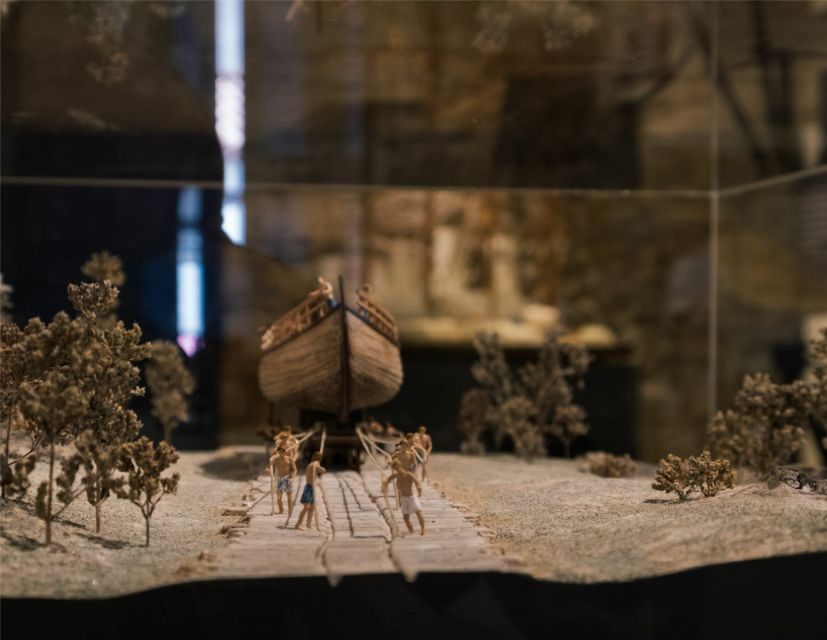
- Greek war-tech artifacts: You will see technology tied to real conflict, not just peaceful lab life
- Two-building museum setup: Plan for stops at 16 Herakleidon Street and 37 Ap. Pavlou Street
- Great Acropolis pairing: It is walking distance from Thisseio and easy to stack with your classical sites
What the Herakleidon Museum Is Really About
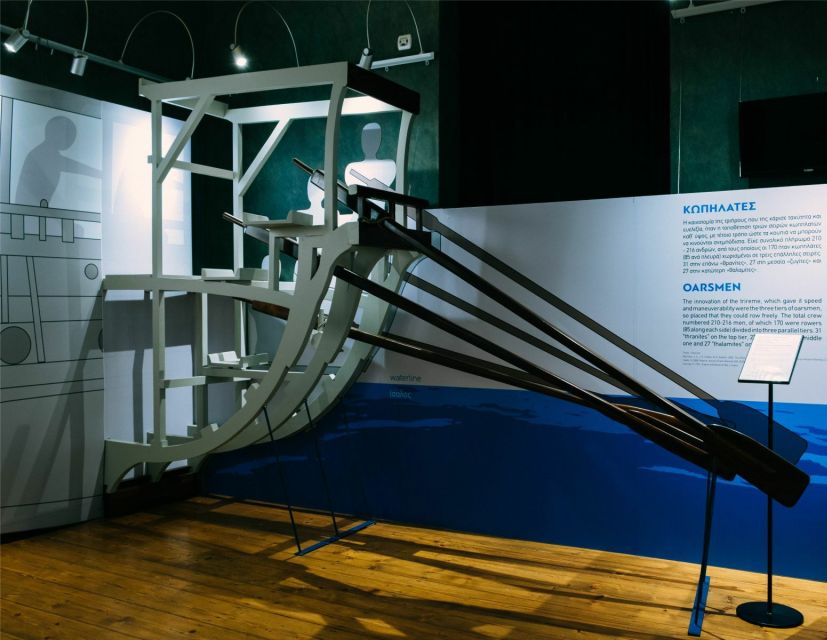
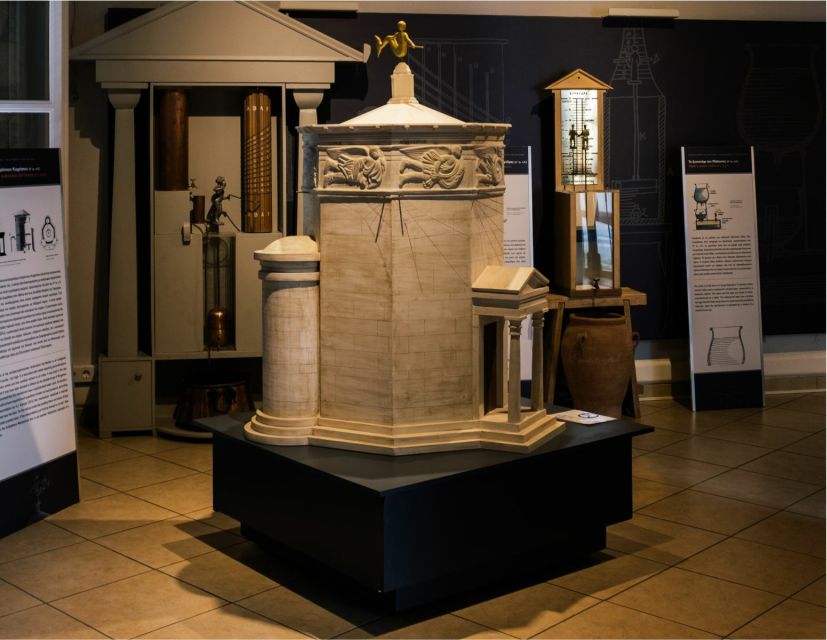
The Herakleidon Museum is not a typical “look at old stuff” experience. It is built as a learning space that presents Ancient Greek achievements with a modern science feel, including interactive-style education and accessible displays.
The museum’s organizing idea is the triptych of Science, Art, and Mathematics. That matters because it nudges you to see inventions as part engineering, part design, and part math problem-solving. You are not just absorbing facts, you are watching how reasoning turns into objects and structures.
A big plus for me is the museum’s emphasis on education for students, teachers, and adults. It aims to wake up a research spirit, which means the exhibits are trying to teach you how to think, not just what to think. If you like museums where questions matter, this one has that vibe.
Other Athenian collections out of the heat:
- Athens: Acropolis, Parthenon & Acropolis Museum Guided Tour
★ 4.8 · 9,316 reviews - The Acropolis, Parthenon & Acropolis Museum Guided Tour
★ 4.7 · 8,493 reviews - Athens: Mythology of Delphi, Museum and Arachova Guided Tour
★ 4.7 · 5,102 reviews - Athens: Acropolis, Parthenon & Acropolis Museum Guided Tour
★ 4.8 · 3,579 reviews
The Antikythera Mechanism Angle, Why It Captures Attention
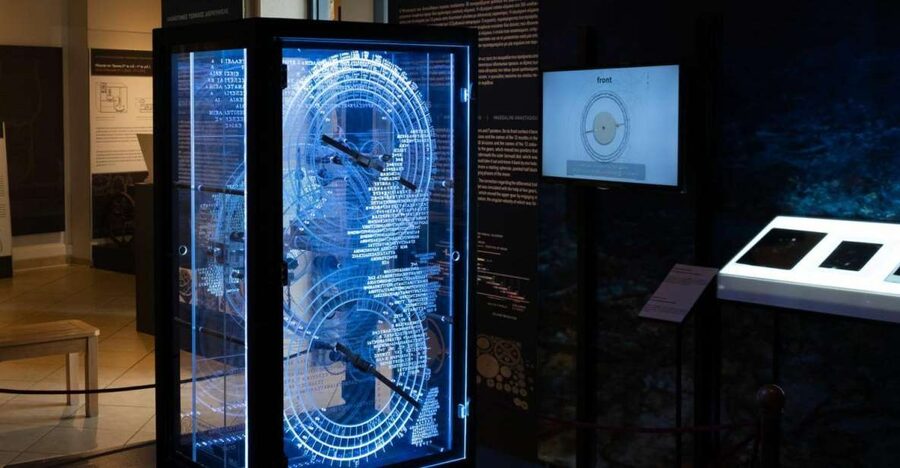
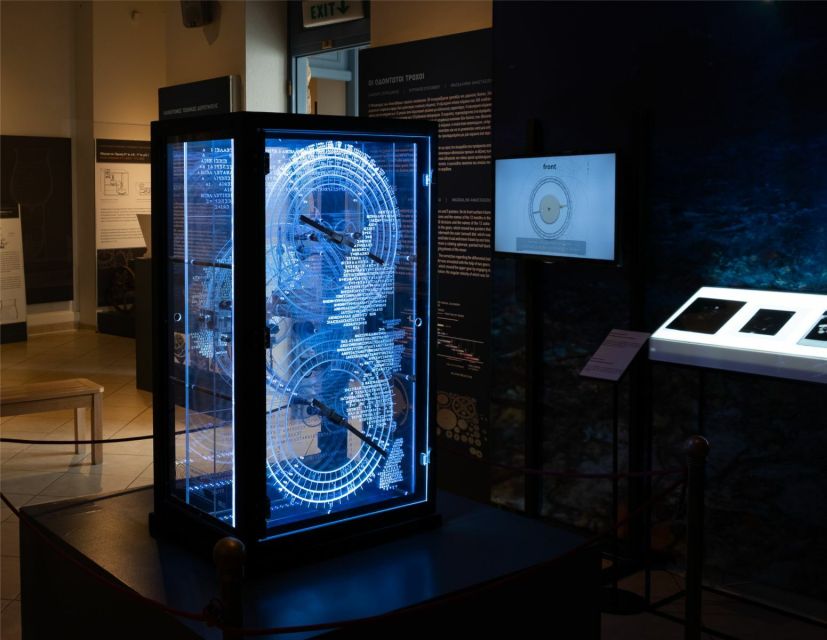
The museum highlights the Antikythera Mechanism, widely treated as the world’s first computer. Even without getting lost in technical jargon, the key payoff is learning how sophisticated data handling can exist far back in time.
What makes this section especially worth your time is the “how it works” mindset. The museum focuses on calculations and working with data, so you can connect the dots between math and mechanism. When a display frames an invention as a data system, you start noticing patterns: input, processing, and output, even when the “computer” is mechanical.
Look for the parts of the story that explain the logic. If you bounce through only the headline, you might miss the deeper point, which is that Greeks were thinking about prediction, measurement, and representation. That is why this exhibit tends to be the main reason people leave smiling.
Greek War Techniques, Technology With Teeth
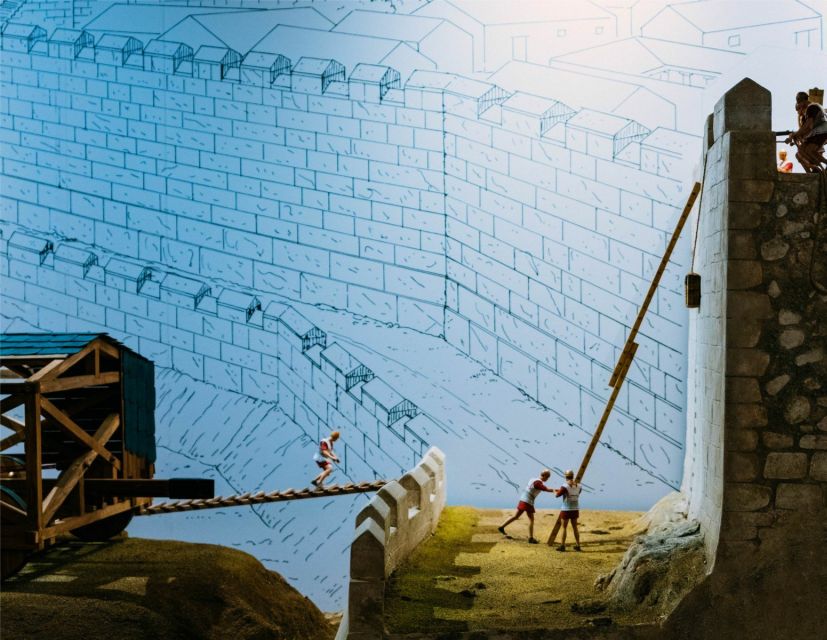
Another highlight is seeing technological artifacts connected to Greek war techniques. This is a smart contrast to the pure “science wonder” angle because war forces engineering decisions. You get a sense of why invention matters in a competitive, high-stakes world.
When you see weapons and defense-linked technologies in a museum context, you start understanding tech as a package: materials, design, and tactics. The museum’s approach keeps it tied to antiquity and shows how the Greeks applied their thinking to practical problems.
If you are the type who likes your history with real-world consequences, this section can be a strong motivator. Just remember it is still an educational museum, so the tone is explanatory rather than action movie. You will learn, but you might not get the adrenaline.
Science, Art, and Mathematics in Practice (Not Just in Theory)
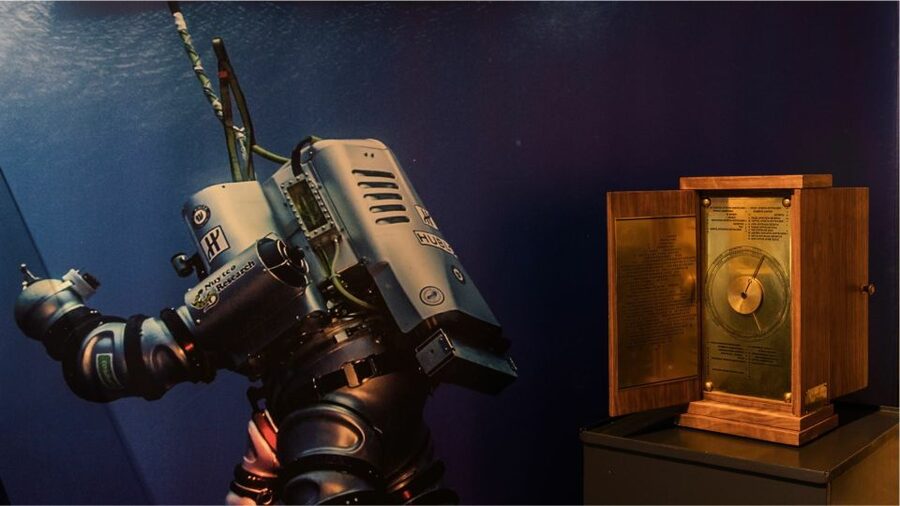
The Herakleidon Museum does something I appreciate: it links math and science to objects you can actually see, rather than treating them like abstract school subjects. Displays focus on how Greeks calculated, how they worked with sophisticated data, and which structures and objects they created.
The “art” side is not decoration for decoration’s sake. It shows up in how design and precision support function. In other words, the museum nudges you to think like an inventor: if the mechanism needs to perform correctly, the design has to respect the math.
If you like turning museum visits into a personal learning mission, try this: pick one concept, like calculation, and then see how it appears in different exhibits. You might notice the museum repeating patterns in different forms, from how data gets represented to how structures get built.
Two Buildings in Thisseio, A Simple Plan for Your 1-Day Visit
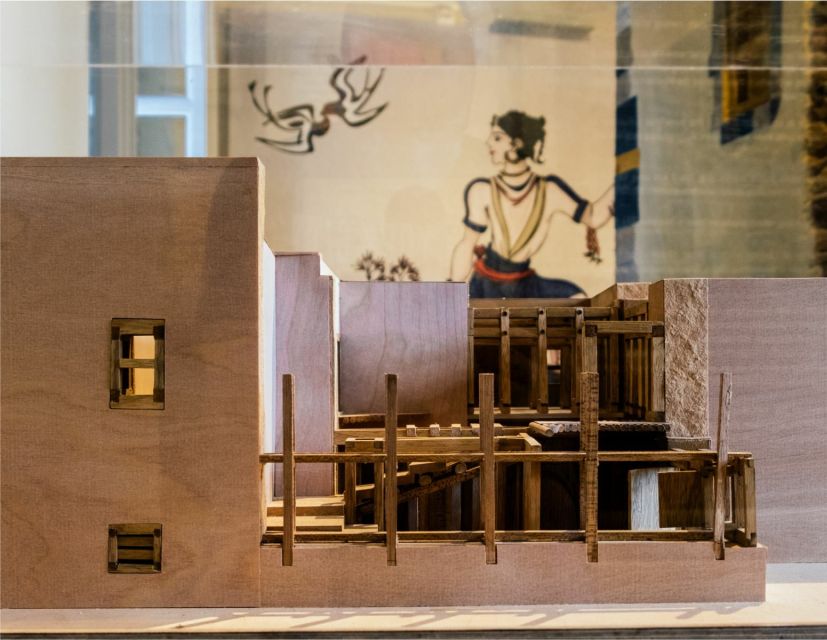
This ticket redeems at the 1st of the museum’s 2 buildings, at 16 Herakleidon Street. It is walking distance from the Metro station Thisseio, and it is also very easy to reach if you are already working your way around the Acropolis entrance area.
Then you will likely want to plan a short walk to the second building at 37 Ap. Pavlou Street, only about 150 meters away. That proximity is useful because it keeps your visit compact. You are not losing time hopping across the city.
Because the experience is listed as 1 day and the ticket is for entry (not a guided tour), you should build your own rhythm. A practical approach is to start at the first building, focus on your priority topic (the Antikythera Mechanism is the obvious choice), then use the second building to broaden out into the science-art-math theme and the war technology displays.
One more practical note: drinks are not allowed inside. So if you expect to get warm and thirsty while reading labels, have a plan for water outside the museum spaces. Also, smoking is not allowed.
A handful more Athens outings to compare
- Athens: Acropolis Ticket with Audio Guide★ 4.0 · 3,575 reviews
- Athens All Included: Acropolis and Museum Guided Tour with Ticket★ 4.5 · 2,673 reviews
- Athens: Acropolis Museum Ticket with optional Audio Guide★ 4.4 · 2,652 reviews
- Athens: Guided Tour of Acropolis & Parthenon with Tickets★ 4.7 · 2,049 reviews
Price and Value: Is $8 Money Well Spent?
At $8 per person, the ticket is priced in the “easy yes” range. That is important because value is not only the cost, it is what you can reasonably get from it in your day.
This entry ticket gives you museum access for a self-guided visit. That can be a plus if you like to move at your own pace and spend extra time on what hooks you. It can be a minus if you crave guided context to stitch everything together, especially with technical topics like ancient data calculation.
My advice: treat this as a focused museum stop, not a fill-the-day marathon. If you already enjoy science-related history, gears, mathematical thinking, or the “how did they build that” side of archaeology, $8 is a friendly price to try it. If you mostly want big theatrical exhibits or modern-style blockbuster storytelling, you may feel the experience is too quiet for your taste.
There have also been mixed sentiments about value. Some people see it as good, while others felt it was not worth the price. With that in mind, go in with a museum mindset: you are there for learning through objects and explanations.
How to Make It a Great Pair With the Acropolis Area
You are in Thisseio, close to the Acropolis main entrance. That means you can stack ancient sights without complicated transit. If you are touring Athens like most people do, this museum is a useful “science break” between classical monuments.
A simple way to structure it:
- Start near the Acropolis area in the morning or early afternoon
- Slot the museum visit as a tech-focused contrast
- Finish with an evening plan where your brain still wants to explore, but not necessarily climb another hill
The best pairing is mental, not just geographic. The Acropolis gives you politics, architecture, and civic life. The Herakleidon museum gives you the machinery behind thinking: calculation, design, and engineering applied to both knowledge and conflict.
Tips to Get More Out of the Exhibits
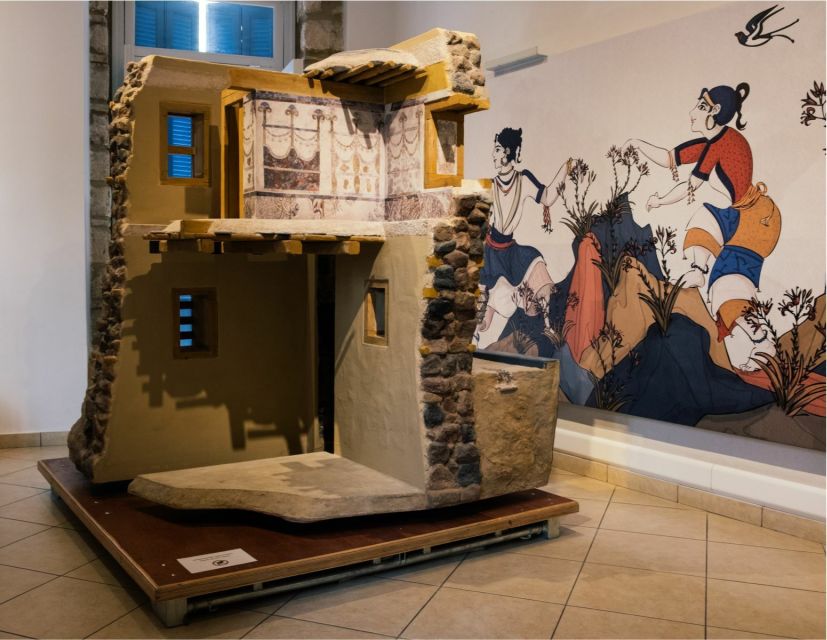
Since you are going without a guided tour included, your edge is how you focus. Here are a few ways to sharpen the visit using what the museum is built to teach.
First, take the triptych seriously. When you see science, art, and math themes, do not treat them as separate galleries. Ask yourself which one you are looking at right then. Is it the math being shown, the design solving a problem, or the science explaining a method?
Second, spend extra time on Antikythera Mechanism learning. Even if you know the headline, the museum framing on calculations and data handling is where it becomes memorable.
Third, pay attention to the war technology section as evidence of applied engineering. The fact that the museum connects tech to conflict is a reminder that inventions survive because they work and because they solve problems.
Finally, slow down at labels and small explanatory objects. Museums like this often hide the good stuff in the details, the same way a mechanism hides function inside small parts.
Who This Ticket Fits Best
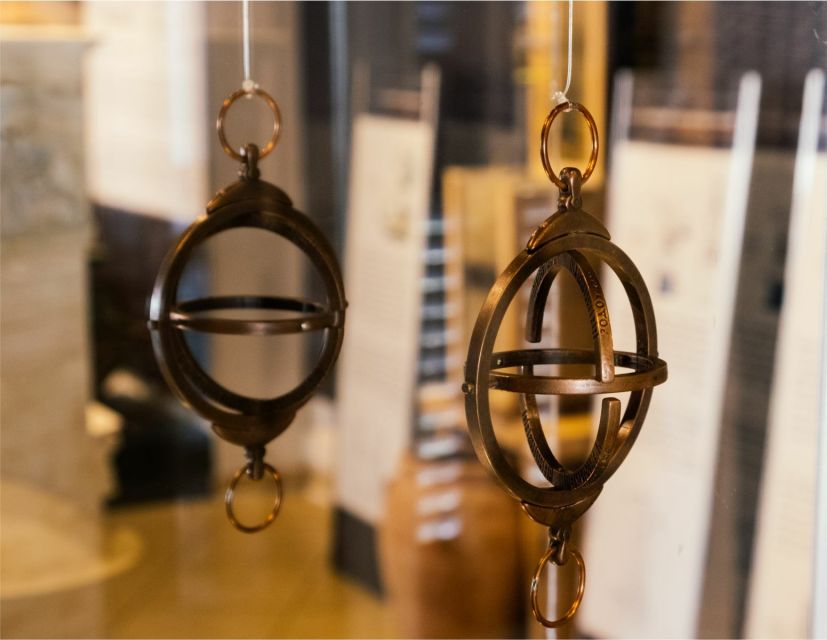
You will likely enjoy the Herakleidon Museum most if you like:
- science and technology history
- math-related stories where reasoning connects to real objects
- museums that focus on understanding rather than spectacle
- Ancient Greek achievements beyond temples and politics
It can also be a strong choice for students and teachers, since the museum runs educational programs connected to EUREKA, Science, Art and Technology of the Ancient Greeks. If you are traveling with kids, it is worth considering, but be realistic about your child’s interest in labels and concepts. This is a learning museum first.
If you want a guided narration with lots of context and background stories, you might want to supplement with your own reading before you go. The ticket is entry only, and that shifts the responsibility for context onto you.
Should You Book the Herakleidon Museum Entry Ticket?
If you are curious about how Ancient Greeks used mathematics and technology, and you like the idea of learning through objects, I think this $8 ticket is an easy yes. The location makes it practical, and the museum’s focus on the Antikythera Mechanism and applied war engineering gives it a clear identity.
I would pass or at least approach with caution if you only want big, guided, high-energy experiences. Because there is no guided tour included, you will get the most from it when you are willing to read and connect ideas yourself.
My final take: book it if you want a clever, science-forward detour in the Acropolis neighborhood. It is short enough to fit your day, and it is different enough from the usual Athens hits.
FAQ
Where do I redeem my Herakleidon Museum ticket?
Redeem your ticket at the 1st of the museum’s 2 buildings at 16 Herakleidon Street.
How far is the second building from the first one?
The second building is at 37 Ap. Pavlou Street, about 150 meters from the first building.
What is the cost of the entry ticket?
The price is $8 per person.
How long should I plan for my visit?
Plan for about 1 day.
Is a guided tour included?
No. A guided tour is not included.
Is hotel transfer included?
No. Hotel transfer is not included.
What is the nearest Metro station?
The museum is walking distance from the Metro station Thisseio.
Are there restrictions on what you can bring inside?
Smoking is not allowed, and drinks are not allowed.
Latest from under the Acropolis






Museums, compared.
Acropolis, Parthenon & Acropolis Museum Guided Tour
Read our review →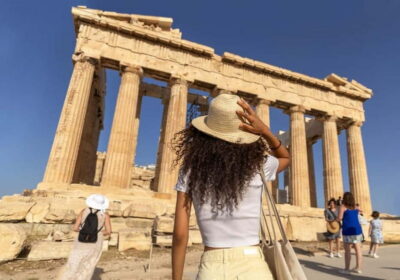
The Acropolis, Parthenon & Acropolis Museum Guided Tour
Read our review →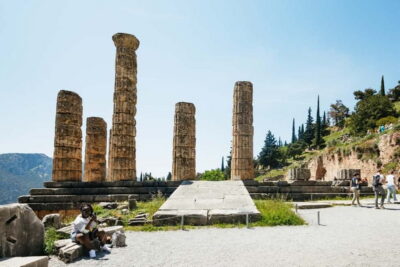
Mythology of Delphi, Museum and Arachova Guided Tour
Read our review →Acropolis, Parthenon & Acropolis Museum Guided Tour
Read our review →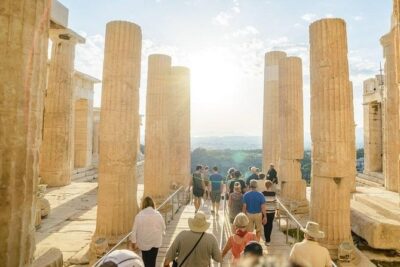
Acropolis monuments & Parthenon Walking Tour with Optional Acropolis Museum
Read our review →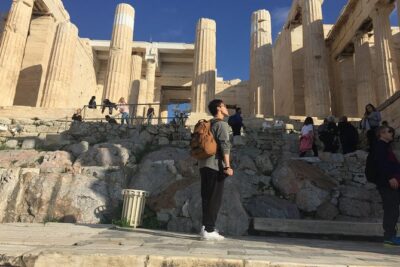
Athens All Included: Acropolis and Museum Guided Tour with Ticket
Read our review →
Acropolis Museum Ticket with optional Audio Guide
Read our review →
Small-Group Delphi, Museum & Arachova Day Trip
Read our review →Browse the lists this tour appears in