Reviewed · ATHENS
Explore Athens in 60 minutes with a Local
You only need one hour to start loving Athens. This small-group walk is a fast, focused way to see the big landmarks that shape the city’s identity, with a local who explains what you are actually looking at. You move from ancient power centers to classic neighborhoods, then finish at a landmark that is still telling its story.
I like two things a lot: the tour is capped at up to 8 people, which keeps the pace human and the questions welcome. I also like that your guide hands you personalized restaurant and bar ideas, so the tour does not end when the walk ends.
One possible drawback to plan around: the route is compact and you do a lot on foot in about an hour, so it is not the best match if you need low-walking or if mobility is an issue. Also, entry tickets for monuments and museums are not included, so you may want extra budget depending on what you choose to see next.
In This Review
- Key Highlights to Expect on This 60-Minute Athens Walk
- How the 60 Minutes Works, and Why It Makes Sense on Day One
- Starting at the Acropoli: Seeing the Parthenon Like a Story, Not a Postcard
- Plaka’s Cobbled Lanes: Neoclassical Streets and Real-World Vibes
- Monastiraki: Flea-Market Energy, Historic Corners, and Street-Level Context
- Ancient Agora: The Heartbeat of Classical Athens, Explained in Plain English
- The Temple of Hephaestus Finish: A Well-Preserved End Point That Feels Worth It
- Your Local Guide: What You Gain Beyond the Route
- Price and Value at $83.48 for a One-Hour Orientation
- Who This Walk Fits Best (and Who Should Rethink It)
- Practical Tips for a Comfortable Hour in the Historic Center
- Should You Book This 60-Minute Athens Local Walk?
- FAQ
- FAQ
- How long is the Athens walk?
- What is the price per person?
- How many people are in the group?
- Where do I meet, and where does the tour end?
- What is included in the tour price?
- Are museum or monument entry tickets included?
Key Highlights to Expect on This 60-Minute Athens Walk
- Up to 8 people keeps it personal and lets your guide adapt to your pace
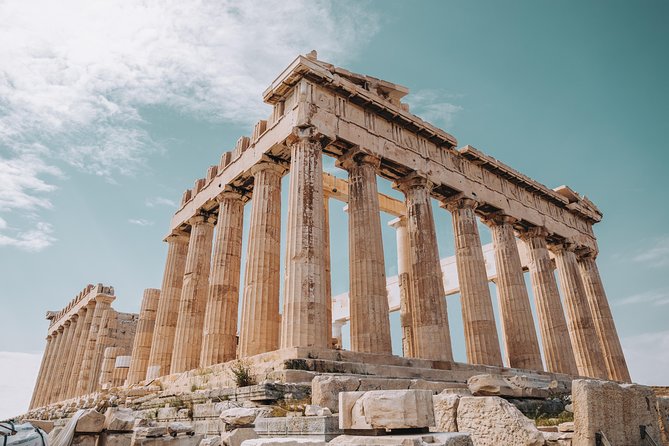
- Acropolis first, so everything else you see later clicks into place
- Plaka and Monastiraki give you classic Athens streets and market energy without the headache of figuring it out alone
- Ancient Agora plus Temple of Hephaestus ends with two major anchors in the same area
- Local food and drink recommendations help you turn sightseeing time into a real Athens night out
How the 60 Minutes Works, and Why It Makes Sense on Day One
This is a tight, one-hour orientation walk, built for people who want to get their bearings fast. You do not get stuck in one spot for long, but you also do not get shuffled through the city like a checklist.
You will start at the Acropoli area and finish near the Temple of Hephaestus, which is a smart ending point if you want to keep exploring afterward without backtracking too much. The itinerary can also adjust based on weather and your walking pace, which matters in Athens when sun and heat can change how comfortable long stops feel.
A tip for making the most of the hour: go with a mindset of asking questions, not just collecting photos. A good local guide turns what could be “big monuments” into clear stories you can remember later.
Before you book, here is what else runs from Athens:
- Athens: Acropolis & up to 5 Archaeological Sites Combo Pass
★ 4.2 · 13,904 reviews - Athens: Acropolis, Parthenon & Acropolis Museum Guided Tour
★ 4.8 · 9,316 reviews - The Acropolis, Parthenon & Acropolis Museum Guided Tour
★ 4.7 · 8,493 reviews - Athens: Cape Sounion & Poseidon Temple Sunset Half-Day Trip
★ 4.8 · 8,241 reviews
Starting at the Acropoli: Seeing the Parthenon Like a Story, Not a Postcard
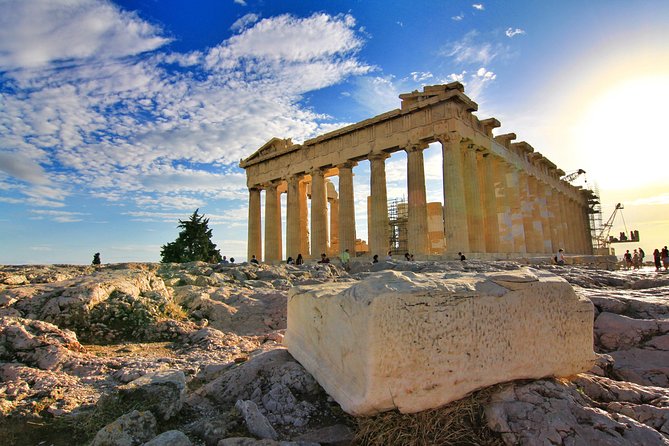
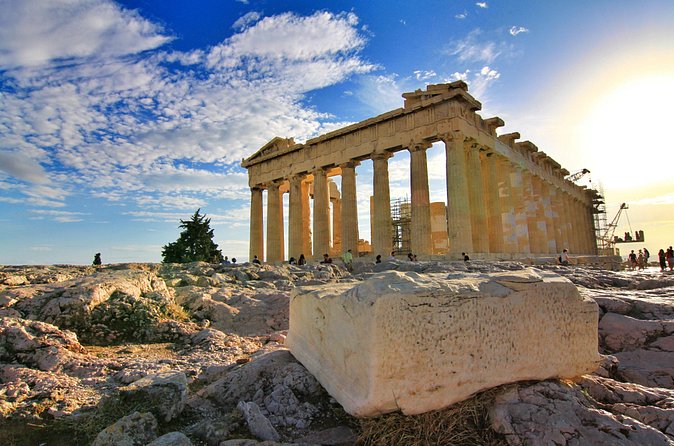
The tour begins at the Acropoli of Athens, where the Parthenon anchors the view. You are not just looking at ruins here. You are hearing how these ancient spaces connected gods, public life, and the idea of democracy in the classical era.
Even if you have visited before, this kind of start helps because it gives you the framework. Without that, it is easy to miss the relationships between major buildings and why the Acropolis mattered so much.
One practical note: this area can be steep and sunny, so wear grippy shoes and plan to move steadily. If you are taking it on a hot afternoon, bring water and expect the hour to feel more “active” than “museum-like.”
Plaka’s Cobbled Lanes: Neoclassical Streets and Real-World Vibes
Next you wander into Plaka, the historic neighborhood people always associate with “classic Athens.” You will notice the cobblestone streets, the neoclassical houses, and the mix of souvenir shops and everyday storefronts.
What I like about using Plaka as a mid-tour stop is that it is not just a pretty backdrop. It is where the city shifts from monumental history into daily life, so the tour feels like Athens rather than a string of ruins.
The drawback? Plaka can be crowded depending on the day, and cobblestones can slow down your pace. If you want smoother walking, keep your steps short and expect a bit of uneven ground.
Monastiraki: Flea-Market Energy, Historic Corners, and Street-Level Context

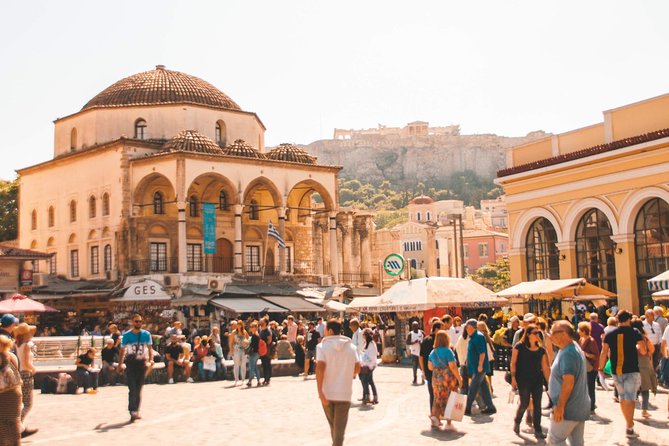
From Plaka you head into Monastiraki, where antiquity and modern Athens overlap. This area is known for lively shopping and flea markets, and it also sits close to places that remind you this city has layered for centuries.
The value here is how a local helps you read the area. You might spot hints of antiquity you would otherwise overlook, and you get context for why Monastiraki feels the way it does today.
If you are the kind of person who likes to browse without getting lost, this stop can be satisfying because it gives you “where you are” context, not just “look at that” directions. Keep in mind that market areas can be busy, so hold onto your comfort routine (water, shade when possible, and a steady pace).
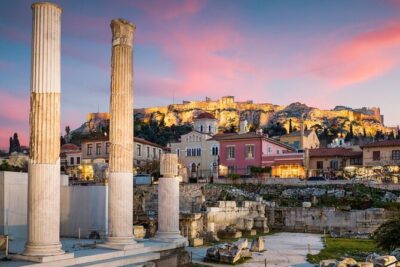
Ancient Agora: The Heartbeat of Classical Athens, Explained in Plain English

Then you move into the Ancient Agora of Athens, the area tied to public debate, philosophy, and civic life. This is where the marketplace became the social and intellectual engine of the city, and it helps connect the dots between government ideals and everyday commerce.
The Agora ruins can look spread out, so the guide’s job is crucial. You want someone pointing out what is where and what the layout likely meant for the people who lived and argued there.
A consideration: because the Agora is a ruin area, you will be doing more looking and interpreting than standing in a fully restored building. If you like stories and historical explanations more than scenic photos, you will likely enjoy this stop.
Same hours, spent a different way in Athens:
- Acropolis: Premium Acropolis and Parthenon Guided Tour★ 4.8 · 5,208 reviews
- Athens: Mythology of Delphi, Museum and Arachova Guided Tour★ 4.7 · 5,102 reviews
- All Day Cruise -3 Islands to Agistri,Moni, Aegina with lunch and drinks included★ 5.0 · 4,958 reviews
- Athens, Piraeus, and Coastline: Blue Hop-On Hop-Off Bus★ 3.9 · 4,849 reviews
The Temple of Hephaestus Finish: A Well-Preserved End Point That Feels Worth It
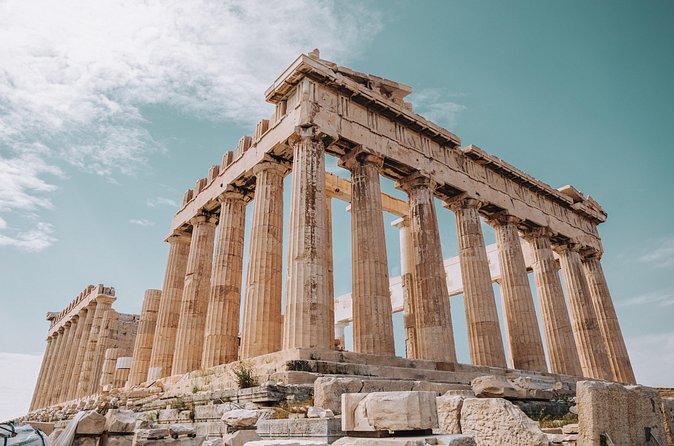
The walk ends at the Temple of Hephaestus, described as a well-preserved symbol of ancient Greek worship. Finishing here is a strong choice because you get a single, clear “this is the main thing” sight at the end, rather than an open-ended wander.
It also pairs nicely with the Agora because both places relate to how Athenians structured public life. The temple stands stoically in the ruins, and it gives you a satisfying landing after the wider Agora area.
If you are thinking about what comes next, this end point is helpful. You have a logical place to transition into other sights in the same general area, or simply to sit down nearby and let the stories settle in.
Your Local Guide: What You Gain Beyond the Route
This tour is hosted by an independent local, with the goal of explaining Athens the way locals talk about it. You are also getting personalized recommendations, which is a big deal when you have limited time.
One guide name you might hear is Dora, and the difference shows in how the experience feels. In one account, Dora was praised for incredible Athens history knowledge and for enthusiasm that made the city feel personal, almost like meeting an old friend. The takeaway for you is simple: if your guide is talkative and passionate, lean into it and ask for specifics, not vague suggestions.
What to ask during the walk (so you actually use the recommendations):
- One dinner pick in the area that fits your tastes
- A bar recommendation for after sunset
- One thing to see next that you would not guess on your own
That last one is often where the “local eyes” part pays off.
Price and Value at $83.48 for a One-Hour Orientation
At $83.48 per person, this is not a budget street-walk. But it can still be good value if you treat it like a time-saver and a quality guide experience rather than a museum ticket substitute.
Here is what you are paying for:
- A knowledgeable local (your guide)
- A small group experience with a cap of up to 8 people
- Personalized recommendations for food and drinks
- An included mobile ticket and group discounts feature (so pricing can improve if you book with others)
What you are not paying for: entry tickets for transportation, museums, and monuments. That does not make the tour worse, but it means you should plan how you will spend extra once the walk is done.
For many people, the math works like this: if you are only in Athens briefly or you want one high-quality primer, paying for a guided hour can prevent wasted time wandering the wrong direction. And if you are already planning to pay for sites later, you will just add those costs on top.
Also note: the average booking window is about 30 days in advance. That usually signals demand, so if you have a specific schedule, do not wait until the last minute.
Who This Walk Fits Best (and Who Should Rethink It)
This is designed so that most people can participate, with walking pace and interests helping shape the route. That flexibility is useful, especially because the stop order can vary with weather.
It is not recommended for guests with impaired mobility. Since the tour is a compact walking route through historic areas, you should treat that warning seriously and consider a different format if you need accessibility accommodations.
If you fit any of these profiles, you will likely enjoy it:
- You are arriving in Athens and want the big picture fast
- You love history but also want practical guidance for food and next steps
- You prefer small-group attention over large group herding
If you hate walking, or you are planning to spend the whole day inside museums with minimal outdoor time, you might get better value from a longer, ticket-included plan.
Practical Tips for a Comfortable Hour in the Historic Center
Your start and end points are clearly set, which helps you plan. You meet at Acropoli Athens 117 42, Greece, and you finish at Temple of Hephaestus Athens 105 55, Greece.
A few practical things to keep in mind:
- Wear comfortable, grippy shoes for cobblestones and uneven ground
- Plan for sun exposure in open areas around the Acropolis
- Bring a charged phone for the mobile ticket
The tour is also described as near public transportation, which is helpful if you do not want to rely on taxis for every move. One more real-world tip drawn from a cruise day experience: if you are coming from a cruise ship, build extra buffer time to reach the meeting point so you do not arrive stressed.
Finally, service animals are allowed, which can be a comfort factor for some visitors.
Should You Book This 60-Minute Athens Local Walk?
If you want an easy win on day one, I think this is a smart booking. You get a structured introduction to the Acropolis area, key historic neighborhoods like Plaka and Monastiraki, then you end with the Agora and the Temple of Hephaestus. The small group size and the personalized recommendations can help your remaining Athens time feel more directed and more local.
Book it if you like learning stories while you walk and you want your guide to point you toward where to eat and where to spend your evenings. I would skip it or rethink it if you need a low-walking experience, or if you already know Athens deeply and you mainly want long museum time.
FAQ
FAQ
How long is the Athens walk?
The tour is about 1 hour long, approximately.
What is the price per person?
The price is listed as $83.48 per person.
How many people are in the group?
The group is limited to a maximum of 8 travelers.
Where do I meet, and where does the tour end?
The meeting point is Acropoli Athens 117 42, Greece. The tour ends at Temple of Hephaestus Athens 105 55, Greece.
What is included in the tour price?
The tour includes a knowledgeable local, a small group experience, and personalized recommendations.
Are museum or monument entry tickets included?
No. Entry tickets for transportation, museums, and monuments are excluded.