Reviewed · GUIDED
Athens: the Great Greek Philosophers Guided Tour in Spanish
Philosophy turns every corner into a question. This Spanish walking tour links major Athens landmarks with the lives of the thinkers who shaped how people argue, teach, and doubt. You start at the Statue of Plato and move through classic philosophy-linked spots like the Aeropagus and the site tied to Socrates.
I especially like how the tour focuses on three anchor stops. It is not a random sightseeing loop. You also get a lively storytelling style that keeps the ideas moving, including the idea that being wise can come with a cost. If you are lucky enough to be guided by someone like Gregory (a name that shows up often in participant feedback), expect a mix of clear explanations, humor, and room for questions.
One consideration: you are on your feet for 150 minutes, so plan for walking and bring water. Comfortable shoes matter, because the tour is built around moving through central Athens streets.
In This Review
- Key Highlights Worth Your Time
- Meeting Near the Statue of Plato: Start Where the Story Begins
- 150 Minutes in Central Athens: How the Route Connects Agora, Pnyx, and Aeropagus
- Plato in Stone: What You Learn from Starting with One Philosopher
- Aeropagus: A Philosophy Stop That Feels Like Public Life
- The Socrates Prison Stop: Why Being Wise Can Cost You
- The Spanish Live Guide: Stories, Questions, and a Clear Thread
- Price and Value: Why $34 for 150 Minutes Feels Fair
- What to Bring, So You Can Focus on the Ideas
- Who This Tour Suits Best (and Who Might Prefer Something Else)
- Should You Book This Athens Great Greek Philosophers Tour in Spanish?
- FAQ
- Where is the meeting point for the Athens Great Greek Philosophers tour?
- What is the duration of the tour?
- What language is the tour guide speaking?
- What is included in the tour price?
- What should I bring for the tour?
- Is food and drinks included?
- Is the tour price per person?
- Is there free cancellation?
- Is there a reserve now and pay later option?
Key Highlights Worth Your Time
- Statue of Platon meetup for a strong philosophy start point
- Aeropagus stop used to connect place to power and public life
- Socrates Prison site and the theme of paying the price for wisdom
- Spanish live guide with discussion time built into the experience
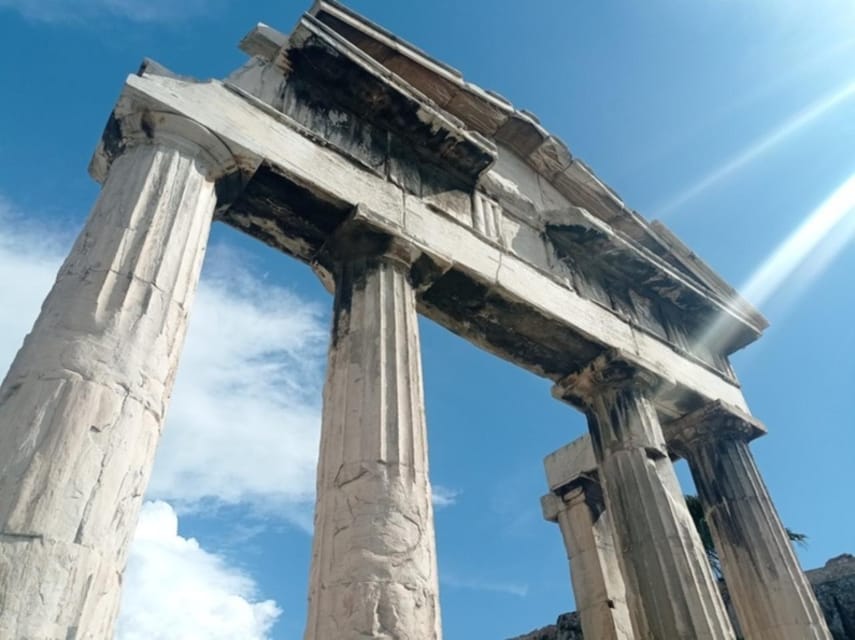
- Agora to Pnyx route focused on the symbolism of Athens locations
- 150-minute format that fits well between other Athens plans
Meeting Near the Statue of Plato: Start Where the Story Begins
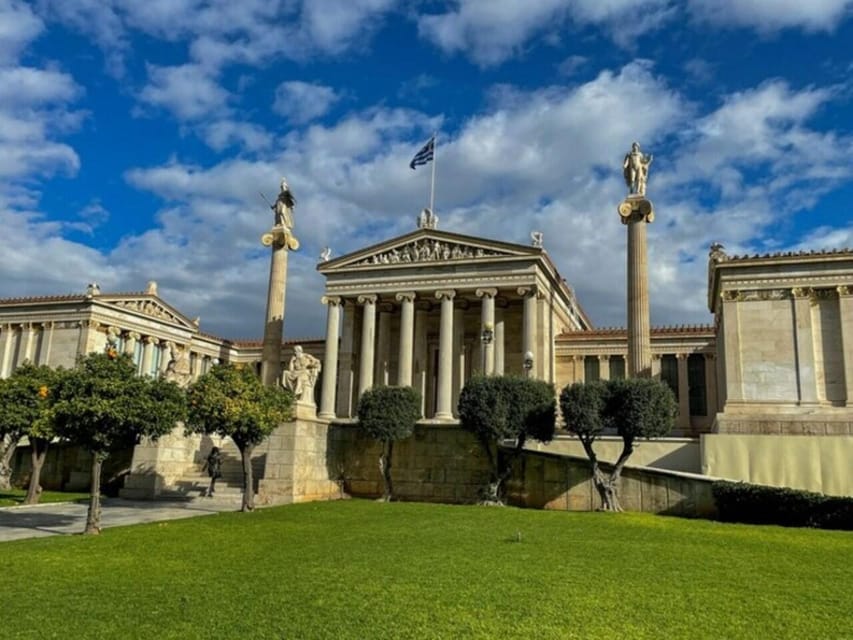
The tour meets in front of the Statue of Plato, and you will want to arrive 10 minutes early. That early buffer is practical. It gives you a moment to spot the group, settle in, and be ready to walk without rushing.
Starting at Plato is a smart choice, even if you only know a few Greek philosophy basics. It frames the whole experience as a chain of ideas, not just monuments. Instead of collecting isolated facts, you get a walking narrative that treats Athens itself like a classroom.
The guide then sets the tone: philosophy did not grow in a vacuum. The stories tie back to real places where people gathered, debated, and challenged beliefs. It is also a good way to get your bearings fast in central Athens, since you start with a landmark that feels “philosophy-shaped.”
A handful more Athens outings to compare
- Athens: Acropolis, Parthenon & Acropolis Museum Guided Tour
★ 4.8 · 9,316 reviews - The Acropolis, Parthenon & Acropolis Museum Guided Tour
★ 4.7 · 8,493 reviews - Acropolis: Premium Acropolis and Parthenon Guided Tour
★ 4.8 · 5,208 reviews - Athens: Mythology of Delphi, Museum and Arachova Guided Tour
★ 4.7 · 5,102 reviews
150 Minutes in Central Athens: How the Route Connects Agora, Pnyx, and Aeropagus
This is a 150-minute guided walk, so you are trading some sitting time for momentum. The goal is to connect key areas through an overall theme: the birth of philosophy and the personalities who made it matter.
The tour route is described as moving from the Greek agora to the hill of Pnyx, using those places to explain symbolism and social importance. You can think of this as a guided map for understanding how ancient Athenians linked public space with questions about life, ethics, and truth.
Then you hit the Aeropagus area, listed as one of the highlights. The tour uses each stop to discuss why these locations mattered to the society of the ancients. In other words, the sites are not decoration. They become anchors for conversations about how thinking shaped the city, and how the city responded to thinking.
Why this pacing works: it gives you enough time to understand a theme, without turning the day into a long, tiring slog. Two hours plus a bit is often the sweet spot for a walking story in Athens.
Plato in Stone: What You Learn from Starting with One Philosopher
Even though the tour covers multiple thinkers, it begins with Plato. That matters. Plato becomes your entry point for understanding how philosophy developed as both ideas and behavior.
The tour talks about the birth of philosophy and its major personalities, and Plato is the natural opener. You are not just shown a statue and moved along. You are guided through the larger question behind the landmark: how ideas became part of public life.
From the way the tour is framed, it also helps you see philosophy as something interactive. The theme that comes through is that wise thinking leads to real consequences, not only clever lines. That is why you start with Plato, then walk toward other sites tied to the bigger story of Greek thought.
If your brain likes order, you will appreciate that the tour’s stops feel like chapters. If your brain likes curiosity, you will like that the tour also pushes questions, not just dates and names.
Aeropagus: A Philosophy Stop That Feels Like Public Life
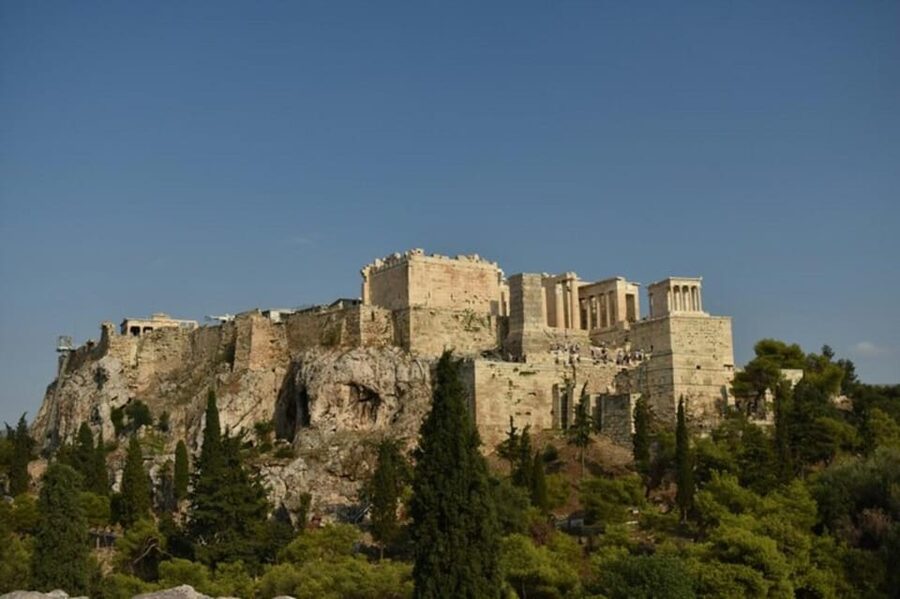
The Aeropagus is one of the headline stops, so it is worth showing up ready to listen. The tour uses it to connect place with meaning, and to explain how ancient society treated questions of ethics and belief as serious business.
What I like about how this stop is handled is the implied lesson: philosophy is not only something you read about. It is something that can collide with power structures and social expectations. That is a theme the tour repeats through its main story beats.
This is also where discussion style matters. Multiple guides listed in participant feedback, including Gregory and Sunny, are described as engaging, funny, and willing to answer questions. If that matches your guide, the Aeropagus part of the tour can turn from a “here’s a site” moment into a real conversation.
Practical tip: take a slow look around during the stop. Even if the guide is doing the storytelling, your eyes will help you “place” the ideas in real city space.
The Socrates Prison Stop: Why Being Wise Can Cost You
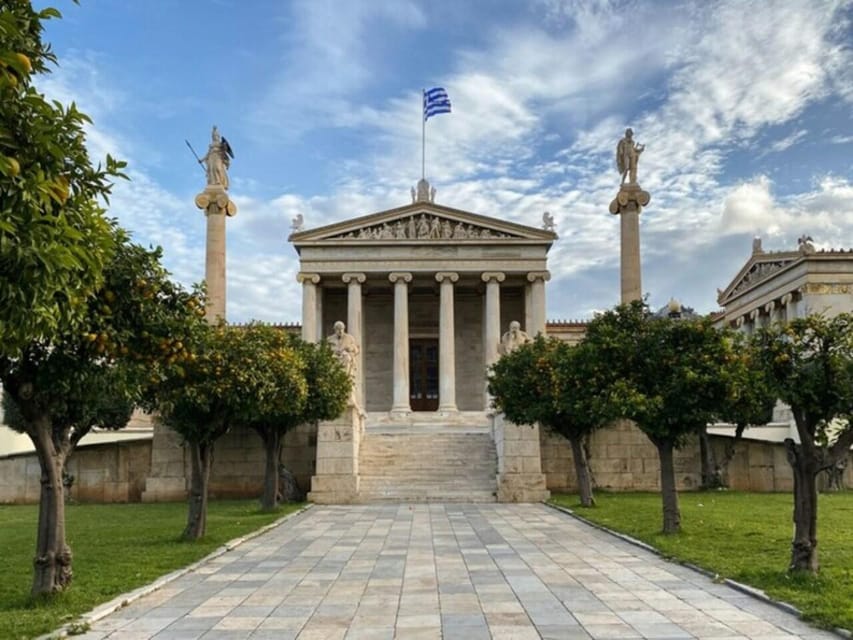
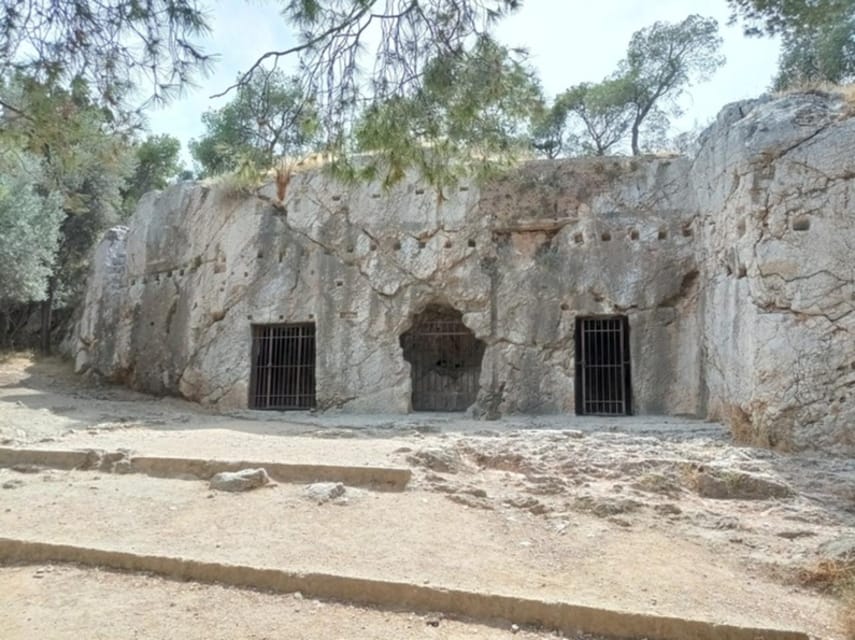
The tour highlight list includes Socrates Prison, and the tour description makes its theme hard to miss: sometimes being wise ends up paying dearly.
This stop matters because it gives philosophy a consequence. You are not only learning about what Socrates thought. You are learning why those thoughts were risky. The tour’s tone makes it clear that ideas had stakes in ancient Athens.
If you are new to philosophy, this is a good starting point. Socrates is often the easiest figure to connect with because the story is emotional and human: questions can challenge the rules of the day.
If you already know some basics, the stop still works because it ties abstract ideas to a real turning point in the life of the city and in the life of the thinker. You get a more complete sense of why the history of philosophy is also a history of conflict between belief systems.
One more reason this stop lands: it closes the thematic loop. You begin with Plato and the birth of philosophy. Then you move through public spaces tied to thought. Finally, you arrive at the place that embodies the cost of asking hard questions.
Same hours, spent a different way in Athens:
- Athens: Acropolis & up to 5 Archaeological Sites Combo Pass★ 4.2 · 13,904 reviews
- Athens: Cape Sounion & Poseidon Temple Sunset Half-Day Trip★ 4.8 · 8,241 reviews
- All Day Cruise -3 Islands to Agistri,Moni, Aegina with lunch and drinks included★ 5.0 · 4,958 reviews
- Athens, Piraeus, and Coastline: Blue Hop-On Hop-Off Bus★ 3.9 · 4,849 reviews
The Spanish Live Guide: Stories, Questions, and a Clear Thread
The tour is led by a live guide in Spanish, and that has a big impact on what you can get from it. With a Spanish guide, you will hear the philosophy ideas directly, in the language you chose. That helps if you want more than a translation.
One of the most praised aspects in participant feedback is how guides explain ideas clearly while still keeping the tone human. People describe guides who answer questions, encourage group discussion, and keep things entertaining. Names like Gregory and Sunny come up, along with the idea that the guide adapts to the group’s interest level.
You are also likely to get more than a monologue. The tour description emphasizes stories connected to places, and participant feedback points to a discussion-friendly approach, including thought-provoking prompts.
How to use this to your advantage: come ready with one or two questions. Even something simple like why a specific philosopher mattered can turn the walk into something personal. Philosophy tours can feel like lectures if you stay quiet. This one is built to keep you involved.
Price and Value: Why $34 for 150 Minutes Feels Fair
At $34 per person for 150 minutes, you are paying for something that is hard to replicate on your own: a guided story with a clear theme. You are not only buying access to landmarks. You are buying someone’s explanation of how the places connect to philosophers and how the ideas evolved.
Also, the tour includes an official tour guide, which matters. You get a structured narrative from the first stop at the Statue of Plato to the Socrates Prison story, rather than piecing it together with guesswork.
What is not included is also important for value planning. Food and drinks are not included, and personal expenses are not included. So you should budget for a snack or water refill along the way.
If you are visiting Athens for a short time, this is a strong use of your schedule. It is long enough to feel like you learned something, but short enough to stack with other sightseeing.
And the overall rating sits at 4.9 across 59 reviews. I do not treat a high score as magic, but it is a good sign that the experience consistently lands well for people.
What to Bring, So You Can Focus on the Ideas
You will want practical basics. The tour asks you to bring comfortable shoes and water. Do not skip this. Athens heat and city walking can add up fast.
If you hate carrying water, at least plan for a refill. This tour is structured around walking through central Athens streets, so being hydrated keeps the experience enjoyable instead of stressful.
Also, bring the right mindset. This tour is not about speed. It is about noticing how philosophy is tied to places and stories. If you keep snapping photos and walking faster than the guide, you will miss the thread that makes it worth your time.
Who This Tour Suits Best (and Who Might Prefer Something Else)
This tour is a great fit if you like ideas with a human storyline. It is especially good for first-time Athens visitors who want a focused theme rather than a scattershot list of sights.
It also suits people who enjoy discussion and Q-and-A. Participant feedback repeatedly highlights engaging guides who encourage questions and thought. If you like that style, you will feel comfortable during the walk.
You might consider another option if you need lots of sitting. This experience is built as a walking tour in central Greece Athens, with a set 150-minute duration and multiple outdoor stops.
If you want a philosophy tour that feels like Athens has a voice, this one is aligned with that goal. It uses landmarks to talk about the birth of philosophy and why it changed the course of thought.
Should You Book This Athens Great Greek Philosophers Tour in Spanish?
Yes, if you want a guided story that connects Athens landmarks to major philosophers, and you prefer learning through walking and discussion. The meeting point at the Statue of Plato gives you a clear start, and the highlights, Areopagus and Socrates Prison, make the theme feel real rather than theoretical.
I would book it if you fit one of these profiles:
- You want a solid philosophy overview without feeling like you are in a classroom
- You enjoy guides who answer questions and keep the energy moving
- You want an Athens experience that feels focused, not endless sightseeing
Skip it if you want a museum-style experience only, or if you cannot do a 150-minute walk. In that case, Athens has plenty of other options that are easier on the legs.
FAQ
Where is the meeting point for the Athens Great Greek Philosophers tour?
You meet in front of the Statue of Plato. You should arrive about 10 minutes before the tour begins.
What is the duration of the tour?
The tour lasts 150 minutes.
What language is the tour guide speaking?
The live tour guide speaks Spanish.
What is included in the tour price?
The tour includes an official tour guide.
What should I bring for the tour?
Bring comfortable shoes and water.
Is food and drinks included?
No. Food and drinks are not included.
Is the tour price per person?
Yes, the price is listed as $34 per person.
Is there free cancellation?
Yes, you can cancel up to 24 hours in advance for a full refund.
Is there a reserve now and pay later option?
Yes, there is a reserve now and pay later option, so you can book your spot and pay nothing today.
Latest from under the Acropolis






Guided, compared.
Acropolis, Parthenon & Acropolis Museum Guided Tour
Read our review →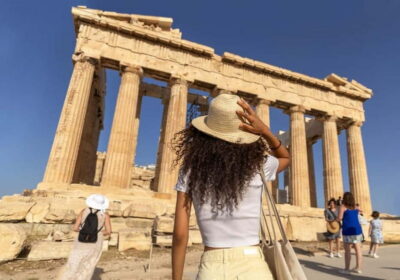
The Acropolis, Parthenon & Acropolis Museum Guided Tour
Read our review →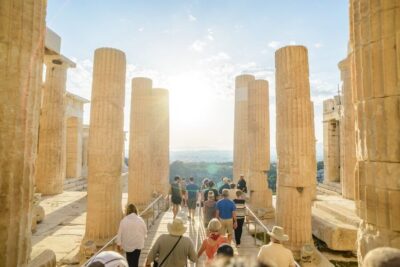
Acropolis: Premium Acropolis and Parthenon Guided Tour
Read our review →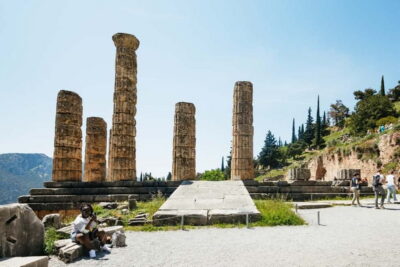
Mythology of Delphi, Museum and Arachova Guided Tour
Read our review →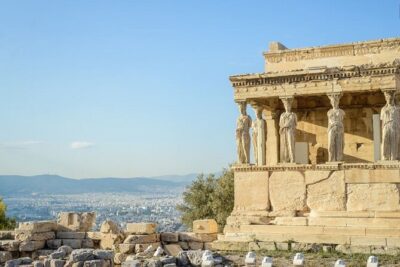
Acropolis and Parthenon Guided Walking Tour
Read our review →
Cape Sounio & Poseidon Temple Trip with Audio Guide
Read our review →Acropolis, Parthenon & Acropolis Museum Guided Tour
Read our review →