
Reviewed · MUSEUMS
Athens: Museum of Cycladic Art Entry Ticket
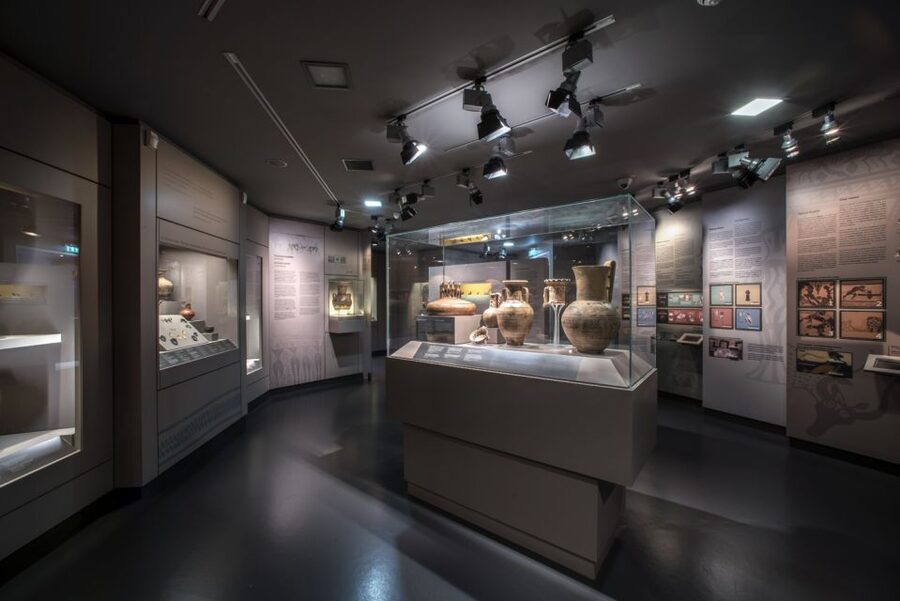
Four floors of Cycladic marbles. The Museum of Cycladic Art in central Athens turns prehistoric Aegean art into a clear, walkable story, from iconic marble figurines to later Greek and Cypriot works. I really like that the museum is organized across multiple levels, so you can pace yourself instead of rushing room to room.
I also love the range here, especially the way the exhibits connect objects to how people lived, traded, and created across centuries. One thing to plan for: in some periods there has been building noise, so bring earplugs if you’re sensitive to sound and want a relaxed visit.
In This Review
- Key things to know before you go
- Museum of Cycladic Art near Syntagma: a simple starting point
- What you’re really paying for: $14 and a lot of objects
- Cycladic art and 2300 BC marble mastery
- The Aegean myths behind the artifacts
- Ancient Greek art: coins, vessels, jewelry, and changing society
- The 2nd floor: historical, artistic, and technological developments
- Classical Athens on the 4th floor: everyday life, not just big names
- Ancient Cypriot art: how one island absorbed many influences
- Using the QR code tour without turning your visit into homework
- A self-guided route that stays calm on busy days
- Noise and renovations: what to do if sound distracts you
- Cycladic Café and the rule about food and drinks
- Who this museum is best for
- Should you book the Athens Museum of Cycladic Art ticket?
- FAQ
- How much is the Athens Museum of Cycladic Art entry ticket?
- How long is the ticket valid?
- Where should I enter the museum?
- Is a guided tour included?
- Are food and drinks allowed inside?
- Is the museum wheelchair accessible?
Key things to know before you go
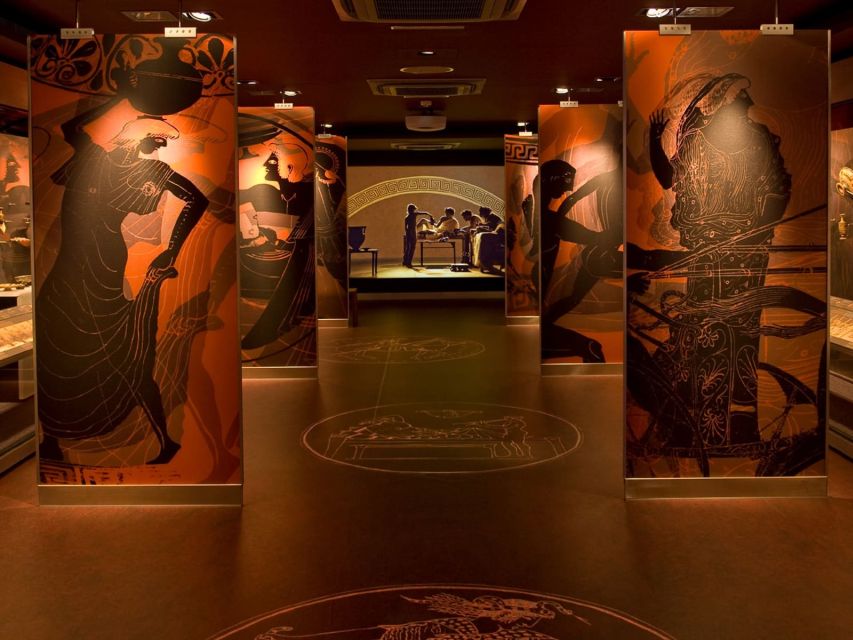
- Four floors of permanent collections that you can see at an unhurried pace
- Cycladic marbles and figurines dated to around 2300 BC
- QR code audio support (Clio Muse Tours) included with entry
- Clear info panels and good layout that help you make sense of the displays
- Ancient Cypriot art as a Mediterranean mix, influenced by local, Greek, Egyptian, and Near Eastern traditions
- A Cycladic Café and a shop, handy for breaks, without needing to plan a separate stop
Museum of Cycladic Art near Syntagma: a simple starting point
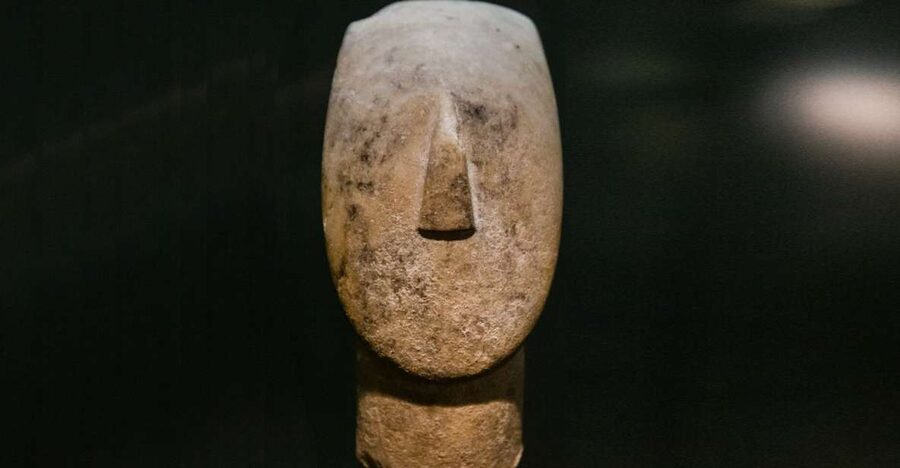
The Museum of Cycladic Art is easy to slot into a day in Athens. You enter at the main entrance, and it is about a five-minute walk from Syntagma Square and the Syntagma Metro station. That matters because you can pair it with the rest of your central-Athens sightseeing without losing half the day to transit.
It also helps that this is a true museum ticket, not a guided-group schedule. Entry to the permanent collections is included, plus free WiFi and the Clio Muse Tours with QR code. You are free to move at your own pace, which is ideal if you like reading labels and lingering with specific objects.
One more practical note: food and drinks are not allowed inside. If you want a snack or a drink, you’ll likely be doing it at the Cycladic Café, not bringing your own.
Other Athenian collections out of the heat:
- Athens: Acropolis, Parthenon & Acropolis Museum Guided Tour
★ 4.8 · 9,316 reviews - The Acropolis, Parthenon & Acropolis Museum Guided Tour
★ 4.7 · 8,493 reviews - Athens: Mythology of Delphi, Museum and Arachova Guided Tour
★ 4.7 · 5,102 reviews - Athens: Acropolis, Parthenon & Acropolis Museum Guided Tour
★ 4.8 · 3,579 reviews
What you’re really paying for: $14 and a lot of objects
At about $14 per person for a one-day ticket, this museum is good value if you like collections that reward slow looking. You are not just buying access to one theme, like pottery only or sculpture only. Instead, you get a broad mix of Cycladic art, ancient Greek art, and ancient Cypriot art, spanning a very wide time range.
The key value is how much you can get through on a self-guided visit. A well-planned circuit is typically around 1.5 to 2 hours for the permanent collections, and you can extend it if you read the signage closely. I like this format because you can see the highlights and still return to the pieces that pull you in.
Also, since entry includes the QR code tour option, you can choose how guided you want to be. If you only need light context while you wander, you can use the QR stops selectively.
Cycladic art and 2300 BC marble mastery
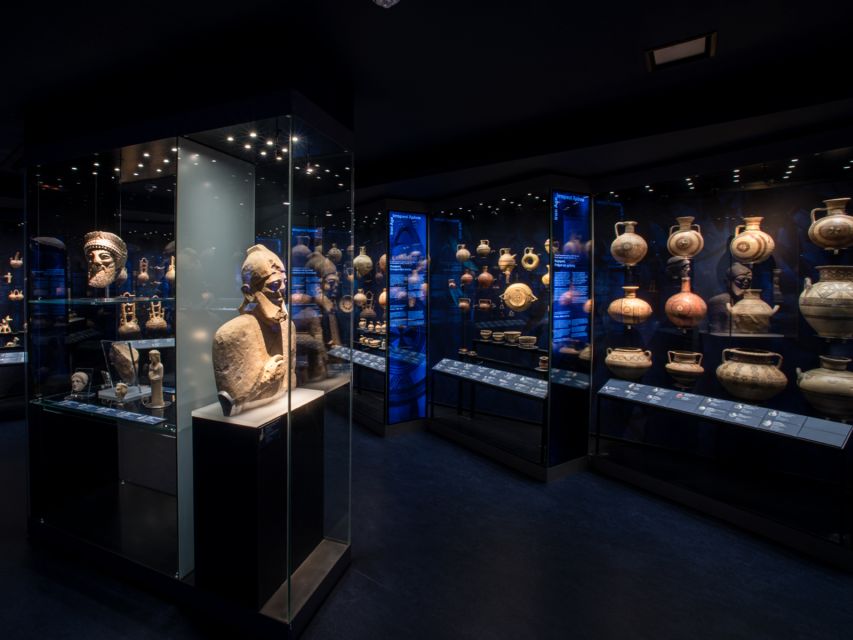
Start with the Cycladic section if you want your trip to feel focused from the beginning. The museum spotlights the marble carvings and figurines for a reason. These works, dated around 2300 BC, have that instantly recognizable style, but the museum gives you more than just visual impact.
As you look, pay attention to how the figurines represent people and ritual life in a world where writing was not the main way thoughts were preserved. Even when the shapes feel simple, the craftsmanship is not. You’ll see evidence of careful work, from proportions to surface finish, and it’s easier to appreciate once you slow down and let each object “sit” for a minute.
If you’re the type who normally skips prehistoric art because it feels too far removed, this museum can change your mind. The displays and interpretive text help you connect the objects to the island culture of the central Aegean during the Early Bronze Age.
The Aegean myths behind the artifacts
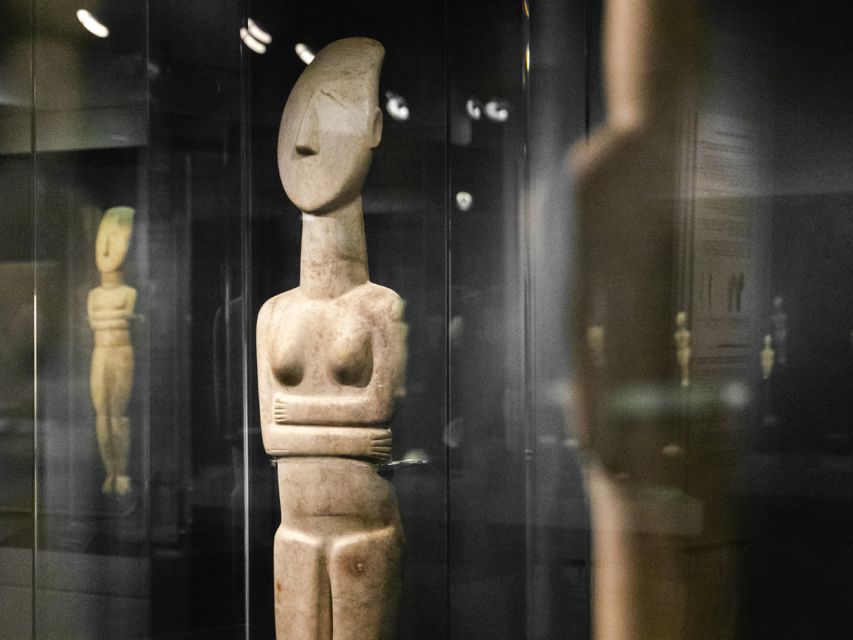
One of the best reasons to come here is that the museum doesn’t treat prehistoric objects like museum specimens only. You also get context about what these societies believed, how stories were passed around, and how people made meaning from objects.
The museum highlights how prehistoric civilizations of the Aegean Sea developed distinctive cultural expressions. You’ll feel the shift from pure description to “why this mattered,” which is the difference between seeing art and understanding it.
I like using this as a mental warm-up before you move into later Greek material. Once you’ve seen how early cultures shaped identity through objects, the later periods feel less like separate topics and more like a long chain of Mediterranean creativity.
Ancient Greek art: coins, vessels, jewelry, and changing society
The museum’s ancient Greek collection covers a big time span, from the 2nd millennium BC to the 4th century AD. That range is valuable because it lets you notice patterns, like how styles and technologies shift as city-states and society evolve.
You’ll see a mix of media, including painted vases, terracotta figurines, bronze vessels, stone sculptures, coins, gold jewelry, and glass items. The variety is not random. It’s a practical way to understand that art in ancient Greece wasn’t just for temples or elite collectors. It was tied to daily life, status, and craftsmanship.
If you want a strategy, pick one category to anchor your attention. For example, look at how people are represented in terracotta figurines, then jump to bronze or stone works to compare how “identity” is shown across materials. I find that approach makes a museum with many objects feel organized.
A handful more Athens outings to compare
- Athens: Acropolis Ticket with Audio Guide★ 4.0 · 3,575 reviews
- Athens All Included: Acropolis and Museum Guided Tour with Ticket★ 4.5 · 2,673 reviews
- Athens: Acropolis Museum Ticket with optional Audio Guide★ 4.4 · 2,652 reviews
- Athens: Guided Tour of Acropolis & Parthenon with Tickets★ 4.7 · 2,049 reviews
The 2nd floor: historical, artistic, and technological developments
The museum’s 2nd floor is where you’ll get a more connected overview of developments across ancient Greek history. It’s not just a series of standalone rooms. It’s presented as a pathway through time, with themes that link art making to the bigger story.
This floor is especially helpful if you’re in Athens for more than one day and you want your museum time to match what you’ll be seeing in other historical sites. If you’re used to ruins and archaeological fragments, this museum’s room-by-room organization gives you a clearer sense of how different eras built on one another.
The payoff is in noticing that technology matters. Materials, tools, and techniques are part of the story, not just background details.
Classical Athens on the 4th floor: everyday life, not just big names
On the 4th floor, the museum offers a vivid look at everyday life in Classical Athens. This is a smart move, because it balances the attention museums sometimes give to famous public events and monumental art.
Even if you’re not an expert on Athenian history, the way everyday objects and themes are presented makes it easier to imagine living there. You start thinking about routine and status, what people wore and used, and how art reflected social life.
I especially like this when I’m trying to break up a day that also includes outdoor sightseeing. After time in the sun around big landmarks, a museum floor focused on daily life feels like a reset.
Ancient Cypriot art: how one island absorbed many influences
If Cycladic art is your first love, don’t leave before you reach the Ancient Cypriot collection. It’s one of the largest outside Cyprus, and it brings a different kind of interest to the museum.
You’ll find prehistoric figurines, Archaic and Classical sculptures, inscriptions, bronzes, coins, gold jewelry, impressive glasswork, and a range of ceramics dated from the 4th millennium BC to Medieval times. That timeline is huge, and the museum’s theme makes the timeline make sense.
The key idea here is cultural mixing. Cypriot art combined elements deriving from local traditions plus Greek, Egyptian, and Near Eastern influences. As you walk, you can start spotting how those different worlds left fingerprints in style and materials.
This part of the visit is also good for people who love regional history. Athens can feel like the whole story when you first arrive in Greece. Cyprus reminds you that the Aegean and the Mediterranean network were doing more than trading goods. They traded ideas and aesthetics too.
Using the QR code tour without turning your visit into homework
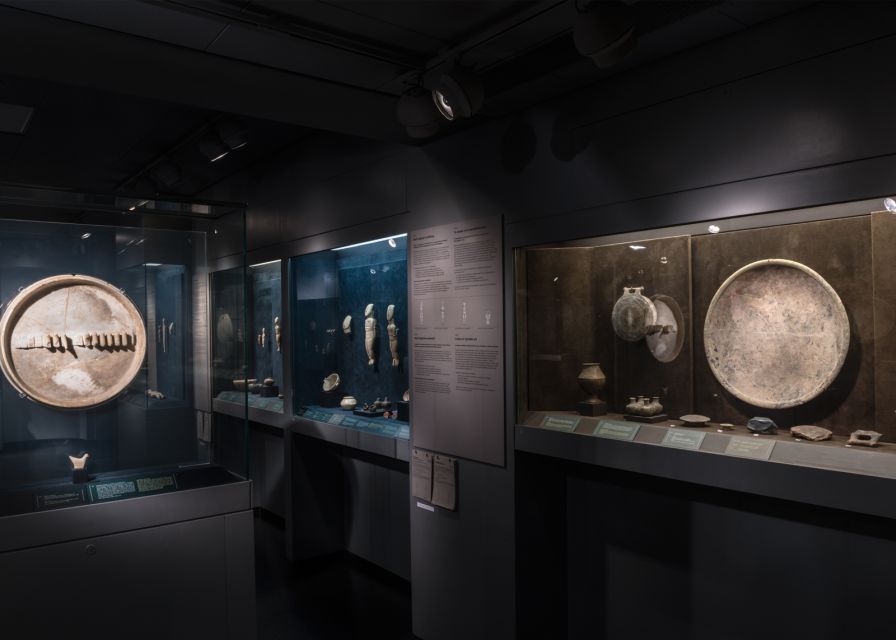
Because entry includes Clio Muse Tours with QR code, you can add context without committing to a full guided tour. That matters because guided tours often move fast. Here, you decide what deserves extra attention.
My practical advice: use the QR code tour for the rooms you are most unsure about, then switch to reading the signage for everything else. That keeps you from turning the whole visit into “scan, listen, repeat.”
Also, the museum spans multiple floors and many installations. If you prefer a simple flow, start from the top and work down. There’s a logic to it, especially if you find it easier to locate thematic sections when you first “anchor” your bearings.
A self-guided route that stays calm on busy days
Since this is a permanent-collection ticket, the best itinerary is the one that matches your energy. Still, you can plan a route that helps you avoid backtracking.
A practical approach:
- Begin with the floor that gives you the broadest overview, then move into more detailed rooms.
- If the museum feels confusing at first glance, switch tactics. Start with the top floor and descend by stairs.
- Give yourself permission to skip rooms that do not match your interests. This museum is large, and your time is limited.
One more timing tip: try to hit the museum earlier in your day if you can. Even though it is not described as overwhelming, a calmer start makes it easier to read labels and compare objects side by side.
Noise and renovations: what to do if sound distracts you
One consideration that has come up is construction noise during certain periods. That can turn a thoughtful museum visit into an effort to focus while hearing tools nearby.
If you are sensitive to sound, bring earplugs just in case. This is one of those travel upgrades that costs almost nothing and protects your experience. And if your schedule is flexible, you might consider choosing a time when the museum is less likely to be affected by ongoing work.
Cycladic Café and the rule about food and drinks
There is a Cycladic Café inside, described as a quiet break space with Cycladic flavors made from natural products and virgin ingredients. That’s useful because it gives you a reason to stay rather than leaving the museum to find lunch nearby.
Just keep the museum rule in mind: food and drinks are not allowed. In practice, that means plan to buy something inside the café if you want to eat or drink during your visit, rather than packing snacks.
A short café stop can also help you reset between floors. If you find yourself speeding through, a 15-minute break often brings back your attention.
Who this museum is best for
This is a strong match for you if you like:
- art that tells stories through objects, not only through paintings
- ancient cultures beyond the usual Athens-only focus
- museums where you can set your own pace
It’s also great for adults who enjoy reading and comparing materials. You’ll get more out of it if you like to notice how craftsmanship changes over time.
If you’re visiting with kids, the museum might feel like a lot of objects and text, especially for younger children. That does not mean it is a bad choice, just that you may need to pick a shorter “route” focusing on the figurines and one or two themes.
Should you book the Athens Museum of Cycladic Art ticket?
Book it if you want one solid museum day in central Athens that covers Cycladic art plus Greek and Cypriot collections in a way that stays organized. The price is fair for a permanent collection with multiple floors, and the included QR code audio means you can add context when you want it.
Skip or reconsider if you know you will not enjoy museums with lots of labels and multiple rooms. Also, if noise would ruin your experience, plan for the possibility of renovations by packing earplugs or choosing your visit time carefully.
For most people, this is an easy yes. It’s one of those tickets that rewards your attention without demanding it.
FAQ
How much is the Athens Museum of Cycladic Art entry ticket?
The price is listed as $14 per person.
How long is the ticket valid?
The ticket is valid for 1 day. You can check availability to see starting times.
Where should I enter the museum?
Enter at the main entrance. It is about a five-minute walk from Syntagma Square and the Syntagma Metro station.
Is a guided tour included?
No, a guided tour is not included. You do get Clio Muse Tours with a QR code.
Are food and drinks allowed inside?
No. Food and drinks are not allowed.
Is the museum wheelchair accessible?
Yes, it is listed as wheelchair accessible.
Latest from under the Acropolis






Museums, compared.

Acropolis, Parthenon & Acropolis Museum Guided Tour
Read our review →
The Acropolis, Parthenon & Acropolis Museum Guided Tour
Read our review →
Mythology of Delphi, Museum and Arachova Guided Tour
Read our review →Acropolis, Parthenon & Acropolis Museum Guided Tour
Read our review →
Acropolis monuments & Parthenon Walking Tour with Optional Acropolis Museum
Read our review →
Athens All Included: Acropolis and Museum Guided Tour with Ticket
Read our review →
Acropolis Museum Ticket with optional Audio Guide
Read our review →
Small-Group Delphi, Museum & Arachova Day Trip
Read our review →Browse the lists this tour appears in