Reviewed · ATHENS
Athens: Learn the Greek Dances with Sweet Treat
Greek steps beat jet lag. In this Athens class, I like how you start with the origins of the dances and the stories behind the music, and I like that you practice basic moves until they click, then string everything together. The only real drawback is that it is not suitable for kids under 7 or for wheelchair users and people with mobility impairments.
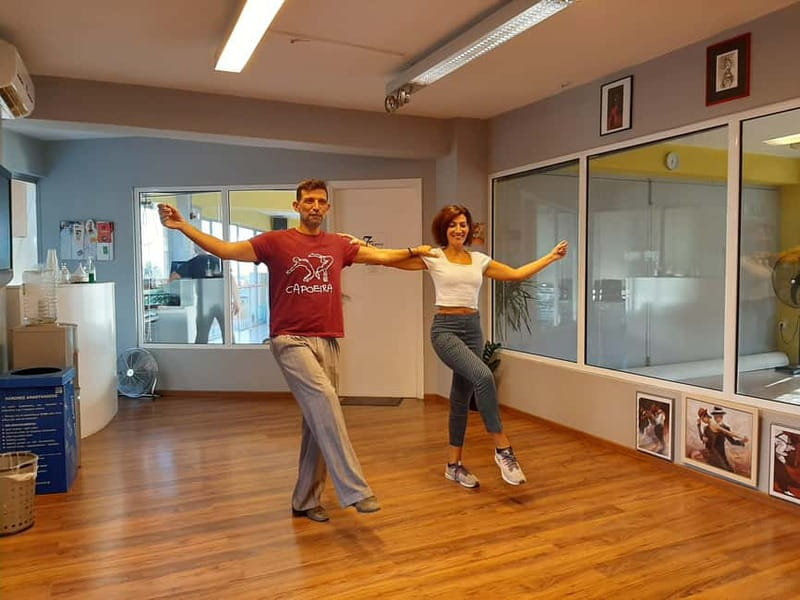
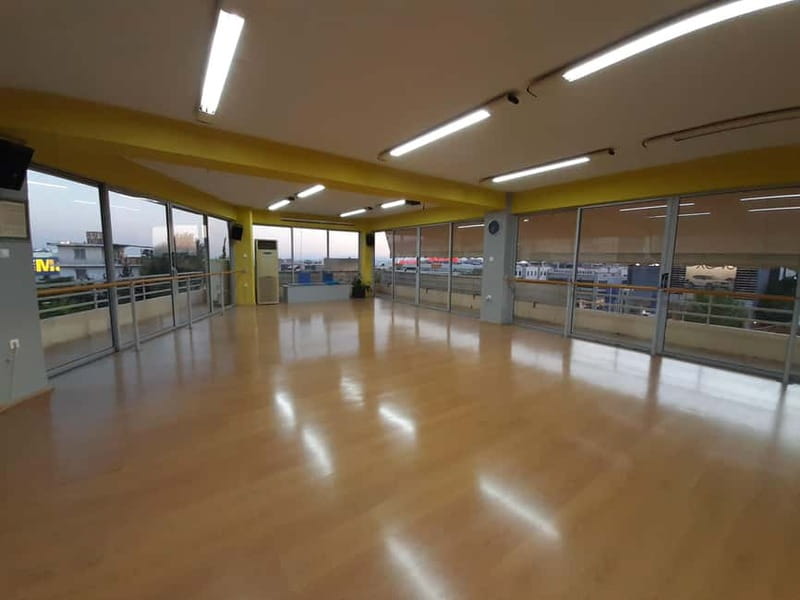
You meet at La Yumba dance house, a 5-minute walk from Alimos metro station on Metro line 2, in a studio with a wooden floor and big windows that look out toward the sea. In the small classroom vibe, teachers like Ms Elena (patient and fun) and Costas (clear, upbeat) make the whole thing feel friendly, not intimidating.
In This Review
- Key Takeaways Before You Go
- What You’ll Learn: Syrtaki, Hasaposerviko, and Karsilamas
- La Yumba Dance House by Alimos Metro: Easy to Reach, Nice Setting
- The Start of Class: Origins, Traditional Attire, and Music Stories
- Learning the Basic Moves: Rhythm First, Then Arms and Footwork
- Putting It Together: Turning Steps into a Full Dance
- The Sweet Treat, Photos, and the Greek Music Playlist
- Price and Value: Is $35 Worth It?
- Who Should Book It, and Who Should Skip It
- Practical Tips for a Better Class
- Should You Book This Athens Greek Dance Class?
- FAQ
- Where is the dance class in Athens?
- How long is the experience?
- What dances will I learn?
- Is the class suitable for beginners?
- What is included in the price?
- What should I bring?
- Is transportation included?
- Which languages are the instructors?
- Who should not book it?
- Is cancellation or pay later available?
Key Takeaways Before You Go
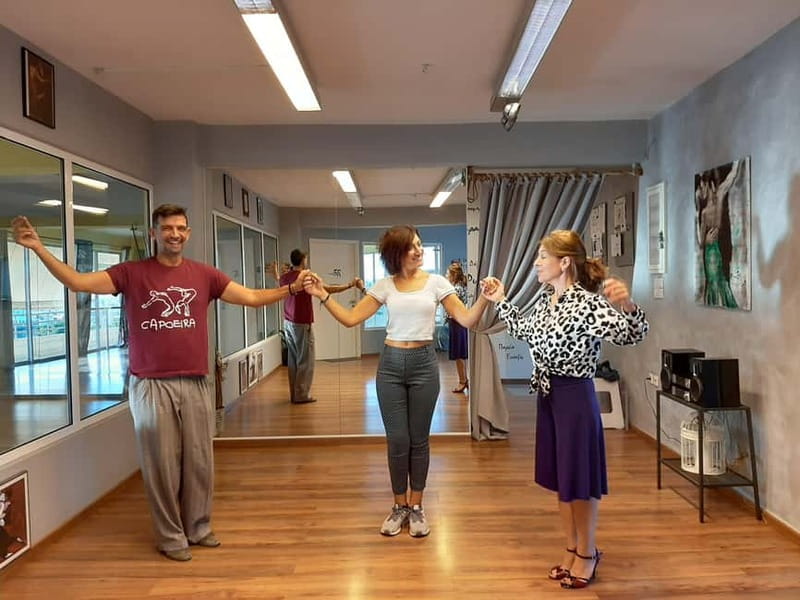
- Learn the famous dances by name: Syrtaki, Hasaposerviko (Chasaposerviko), and Karsilamas, with basic steps you can repeat later.
- You get the why, not just the moves: origins, traditional attire, and what the music is expressing.
- A real end moment: photos during the final dance and a playlist of Greek music to practice at home.
- Sweet finish included: a traditional dessert served at the end, plus water during class.
- Flexible but not for everyone: great for most ages and levels, but not for children under 7 or wheelchair users.
What You’ll Learn: Syrtaki, Hasaposerviko, and Karsilamas
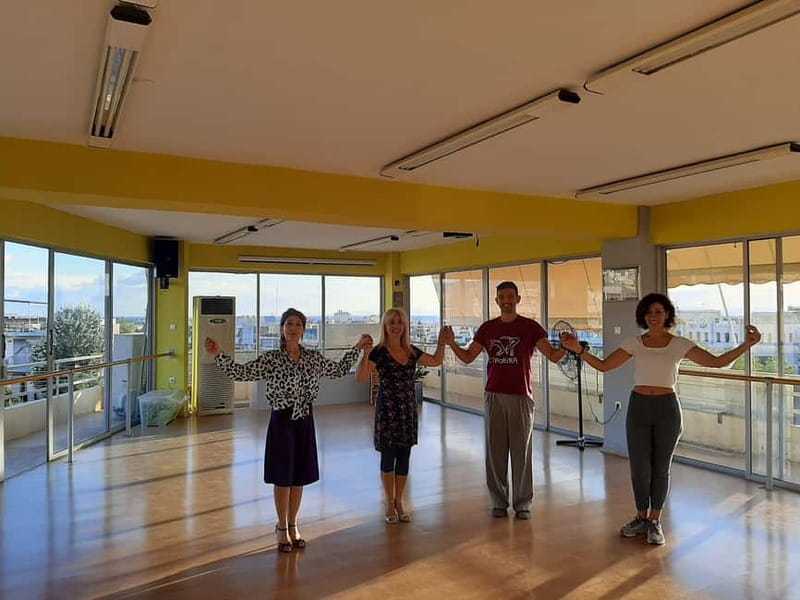
This experience is built around teaching recognizable Greek dances, the kind you hear in Greek restaurants and weddings. The payoff is not just that you leave knowing names like Syrtaki and Hasaposerviko, but that you can actually do the basic structure of the dance.
Syrtaki tends to be the one people come in already excited about. You start with the simplest patterns so your feet and arms can find the rhythm without overthinking it. Hasaposerviko and Karsilamas are different in feel, and the class makes a point of explaining those differences through music and movement.
You should expect the lesson to start slow on purpose. You are not being asked to perform like a professional. Instead, you’re learning the repeatable pieces that make a dance look convincing once you put them in order.
One of the best parts here is how the teacher connects movement to meaning. Greek dances are often tied to how people gather, how they celebrate, and how music is expressed. When you understand what you’re doing, the steps feel less like memorizing and more like joining in.
Before you book, here is what else runs from Athens:
- Athens: Acropolis & up to 5 Archaeological Sites Combo Pass
★ 4.2 · 13,904 reviews - Athens: Acropolis, Parthenon & Acropolis Museum Guided Tour
★ 4.8 · 9,316 reviews - The Acropolis, Parthenon & Acropolis Museum Guided Tour
★ 4.7 · 8,493 reviews - Athens: Cape Sounion & Poseidon Temple Sunset Half-Day Trip
★ 4.8 · 8,241 reviews
La Yumba Dance House by Alimos Metro: Easy to Reach, Nice Setting
Location matters when you’re trying something active in a new city. You’ll find La Yumba dance house just a short walk from Alimos metro station, Metro line 2. That convenience helps you arrive on time without turning your whole evening into a puzzle.
Inside, the space is practical for dancing: there’s a wooden floor that suits footwork, and there are large windows with a view toward the sea. It’s not a giant event hall. It feels like a real studio, with a cozy waiting area where you’re served a dessert at the end.
This matters because a class like this lives or dies on comfort. You’ll want enough room to stand, move, and reset without bumping into other people. And if you’re bringing kids or going as a couple, a calmer studio vibe makes it easier for everyone to relax into the rhythm.
The teachers also teach in English, Spanish, or Greek, so language is usually not a barrier. If you speak one of those languages, you’ll likely follow the explanations smoothly and pick up corrections fast.
The Start of Class: Origins, Traditional Attire, and Music Stories
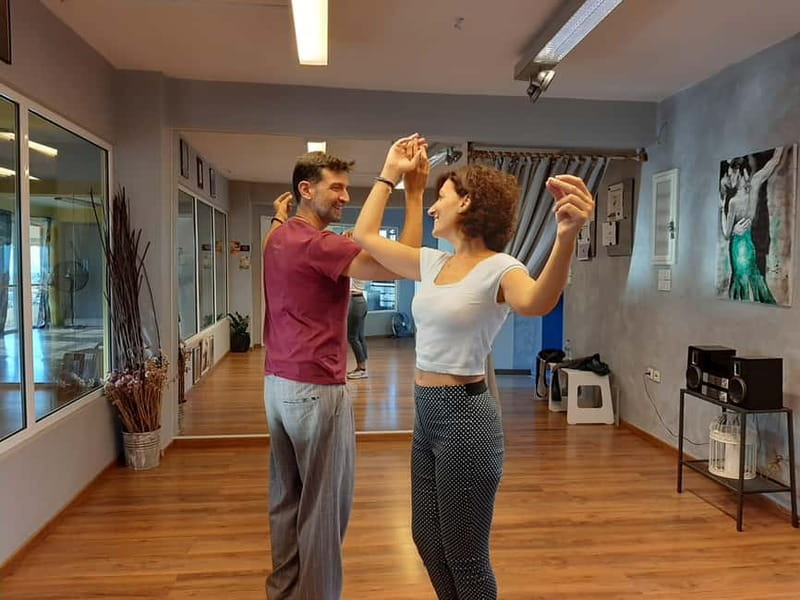
Before you move, you get context. The lesson begins with the origins of the dances and the stories tied to the music. You also hear about traditional attire and what those visuals have meant historically and culturally.
This is one of the reasons the class feels more authentic than a simple “copy my choreography” session. Greek dance is not just steps. It’s a form of expression. When the teacher explains what the dance is doing emotionally or socially, you pick up the style faster.
You’ll also learn how the music is supposed to feel. Even if you have never danced before, once you recognize the rhythm, your body understands what it should match. That’s why the class starts with the why: it saves you from flailing through counts.
Expect a friendly tone in the explanation. Multiple instructors are praised for being patient and clear, including Ms Elena. That style helps if you learn by watching first, then trying, then adjusting.
Learning the Basic Moves: Rhythm First, Then Arms and Footwork
Once the lesson moves into practice, the focus is on basic moves that build confidence quickly. This is where you’ll be glad the class is designed for all dance levels. If your “dance experience” is mostly doing a chorus in your kitchen, you’re in the right place.
The teaching method is straightforward:
- You learn the foundations as repeatable patterns.
- You try them in short chunks so you don’t lose the rhythm.
- You get adjustments so your arms and feet match the dance character.
Greek dances often rely on more than just steps. The arms, posture, and group rhythm all matter. Even in a short class, you’ll learn how to hold your body so your movement looks like the dance, not just random motion.
If you’re prone to stepping on your own toes, here’s what to do: watch the teacher’s body line, not just the feet. When your posture and arm placement are right, your footwork usually starts to behave. You’ll also get better results if you stay loose. Tense shoulders slow you down.
Also bring comfortable clothes. That sounds obvious, but it’s practical advice here. You need clothes that let you move freely. Shoes are not mentioned in the details you provided, so plan to wear what feels comfortable for standing and stepping on a wooden floor.
Putting It Together: Turning Steps into a Full Dance
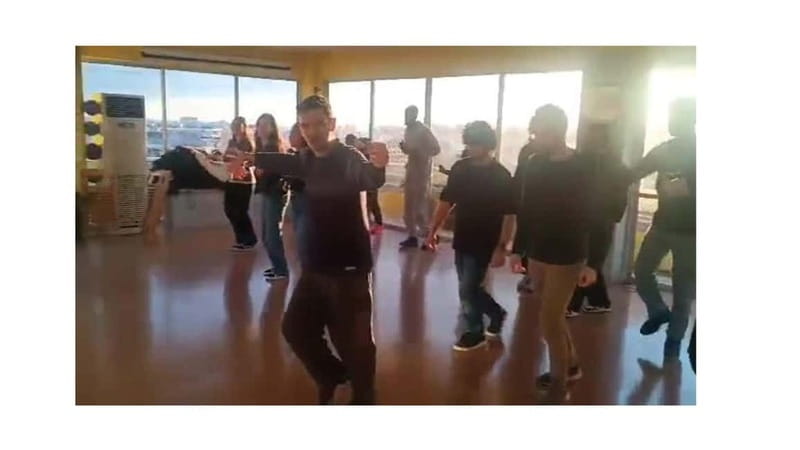
After the basics, the class works toward a full dance sequence. This is the moment that makes it feel like more than a workout. You go from individual moves to a connected flow, and suddenly you can see how the dance fits together.
If you have time in the schedule, you might learn more than one dance. That flexibility depends on the session length (typically 1 hour to 90 minutes). Either way, the goal stays the same: you leave able to perform the core pattern, not just identify it.
In many Greek dances, the most recognizable part is the rhythm pattern and the way the group energy builds. Even if you’re not in a big circle here, learning the transitions helps you understand the dance’s personality.
This is also where photos usually come in. You’ll get time to take pictures toward the end, after you’ve learned enough to look like you belong in the dance.
One small but important tip: when you’re practicing, aim for accuracy first, speed second. If you rush, your arms and feet drift out of sync. Once you feel the tempo, you naturally speed up without forcing it.
Same hours, spent a different way in Athens:
- Acropolis: Premium Acropolis and Parthenon Guided Tour★ 4.8 · 5,208 reviews
- Athens: Mythology of Delphi, Museum and Arachova Guided Tour★ 4.7 · 5,102 reviews
- All Day Cruise -3 Islands to Agistri,Moni, Aegina with lunch and drinks included★ 5.0 · 4,958 reviews
- Athens, Piraeus, and Coastline: Blue Hop-On Hop-Off Bus★ 3.9 · 4,849 reviews
The Sweet Treat, Photos, and the Greek Music Playlist
A class like this earns its place in your trip plan if it gives you something to take home. Here, that comes in three forms: photos, a music playlist, and a traditional sweet.
At the end of class, you’ll enjoy a traditional dessert. The studio setup includes a cozy waiting area, and the dessert is served there when the lesson wraps. One description in feedback highlights a fruity sweet dessert, so it’s likely to be light and fruit-forward rather than heavy.
You’ll also get water during the class, which makes it easier to stay focused. For a dance lesson, it’s not about hydration alone. It’s about keeping your energy steady so you can practice to the end without getting wiped out.
Then comes the fun part you’ll actually use at home: a playlist of Greek music. If you want to keep the steps alive, music is the key. A playlist helps you replay the rhythms and practice what you learned without trying to remember names of dances or specific counts.
And yes, the photos matter. They’re proof that you tried something real in Athens, not just that you walked past something scenic.
Price and Value: Is $35 Worth It?
At $35 per person, you’re paying for a guided activity, an instructor-led lesson, and included refreshments. You’re also paying for time that would be hard to reproduce on your own: learning the structure of several dances and getting correction in real time.
What makes the value feel strong is the mix of ingredients:
- You get culture context (origins, music stories, traditional attire).
- You get movement practice (basic steps and a full dance).
- You get take-home fuel (photos plus a Greek music playlist).
- You get included extras (a traditional sweet and water).
A major plus for value is that the class is suitable for all ages and dance levels, so you are not paying for a narrow niche. Couples do well here, and so do solo travelers who want an easy way to meet others. Families can also enjoy it when kids are old enough, since it is not suitable for children under 7.
One consideration is that transportation is not included. If you’re planning to take a tram or metro, you’re set. If you’re relying on taxis only, factor that cost into your total plan.
For many people, this is also a “low risk, high joy” activity. Even if you think you’re not a dancer, you’ll learn the basics quickly enough to feel successful by the end.
Who Should Book It, and Who Should Skip It
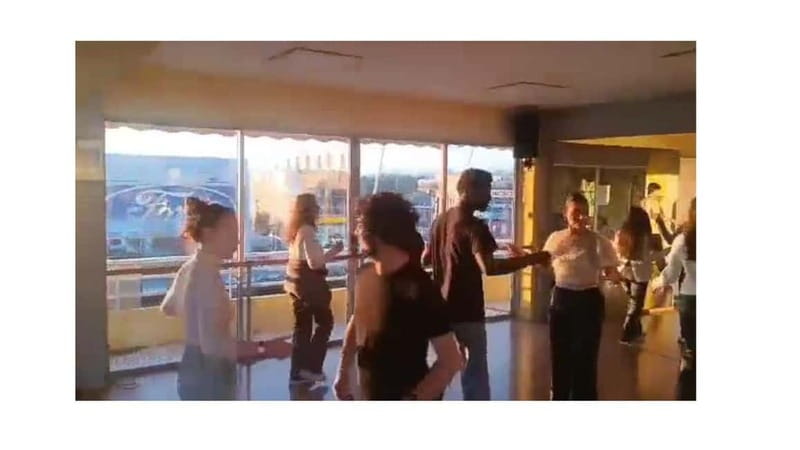
This is one of those experiences that works because it’s for regular people, not just trained dancers.
It fits you well if:
- You want a hands-on cultural activity in Athens, not another passive sight.
- You like learning through doing, with clear instruction.
- You’re traveling as a couple, solo, family, or group and want everyone to participate.
- You want a friendly class in a studio setting away from the busiest tourist crush.
It might not be the right fit if:
- You need wheelchair access or you have mobility impairments, since it is not suitable for wheelchair users.
- You’re traveling with children under 7.
- You’re looking for a sit-and-watch show. This is an active lesson, with practical practice time.
For couples, it can be a fun shared challenge. For solo travelers, it’s a social setting where learning tasks give you something to focus on besides trying to make conversation. For families, it helps if kids are old enough to keep up and enjoy movement without getting bored.
Practical Tips for a Better Class
If you want this to go smoothly, here are the small things that matter most.
Wear comfortable clothes that let you move freely. The class includes standing, stepping, and arm movement. Also think about your shoes. The provided details don’t specify a dress code beyond comfort, so choose something you can move in confidently on a wooden floor.
Arrive with a calm pace. The studio is easy to find from Alimos metro line 2, but you still want a few minutes to get oriented and settle before class starts.
If you’re worried about learning speed, don’t be. The teaching style described in feedback repeatedly emphasizes patience, clear explanations, and adaptability. Ms Elena is specifically praised for being friendly and patient, and Costas is mentioned as fun and effective. That kind of approach makes correction feel normal, not awkward.
Finally, plan to spend a few minutes after class reviewing the playlist and taking your shoes off. That simple routine helps your brain lock in what you practiced, so the dance stays in your head longer than one night.
Should You Book This Athens Greek Dance Class?
Book it if you want a genuinely participatory cultural activity that ends with something you can take home: a music playlist, photos, and a traditional dessert. At $35 for a 1 hour to 90 minute lesson, it’s also a strong value for the amount of instruction and practice you get.
Skip it if accessibility is a concern, or if you’re traveling with kids under 7. And if your ideal trip day is quiet and mostly seated, this class will feel like too much movement.
If you like the idea of learning Syrtaki, Hasaposerviko, or Karsilamas in a real dance studio, near the metro, with friendly teachers and a sea-view room, this is an easy yes for a memorable Athens evening.
FAQ
Where is the dance class in Athens?
The class takes place at La Yumba dance house. It is a 5-minute walk from Alimos metro station on Metro line 2.
How long is the experience?
It lasts 1 hour to 90 minutes, depending on the session time. You’ll need to check availability to see the starting times.
What dances will I learn?
You learn Greek dances such as Syrtaki, Hasaposerviko (also listed as Chasaposerviko), and Karsilamas. If time allows, you may learn more than one dance.
Is the class suitable for beginners?
Yes. It is suitable for all ages and dance levels.
What is included in the price?
The included items are the dance lesson with the dance teacher, a traditional sweet, and water.
What should I bring?
Wear comfortable clothes.
Is transportation included?
No, transportation to the dance school is not included.
Which languages are the instructors?
The instructor languages are English, Spanish, and Greek.
Who should not book it?
It is not suitable for children under 7, people with mobility impairments, and wheelchair users.
Is cancellation or pay later available?
There is free cancellation up to 24 hours in advance for a full refund. You can also reserve now and pay later.