Reviewed · ATHENS
Athens: Kalavryta UNESCO Global Geopark & the Cave of Lakes
Planes, springs, and tragedy in one long day. I like how this trip pairs the UNESCO Chelmos-Vouraikos Geopark with the calm, green walk around Planitero’s plane forest and springs, plus you get a guide who keeps the facts human and the myths entertaining, like Vassilis. The one thing to plan around is the pace: you’re in motion for a full 10 hours and it includes walking over uneven ground, so it’s not a fit for everyone.
You’ll get time in Kalavrita, with free wandering through the village and a chance to sit with the Holocaust Museum’s story from 1943. I also like that this isn’t just picture stops. There are tasting moments too, where you can sample local honey, cheese, liqueurs, and wild mushroom flavors that taste like the region’s seasons.
And then there’s the coast. In warm months, you head to Pounta Beach on the Corinthian Gulf for swimming and a relaxed taverna break, but in winter that beach time turns into extra village and nature wandering. It’s a smart swap, but it does mean your day changes depending on weather and season.
In This Review
- Key highlights you’ll actually feel on the ground
- Hitting Halandri first: how the day trip timing works
- Planitero at the base of Mount Chelmos: ancient plane trees and springs
- Chelmos-Vouraikos Geopark: what UNESCO looks like in real life
- The one-hour visit stop: plan for a guided set-piece
- Kalavrita village time: cobblestones, breathing room, and a museum stop
- Sampling local flavors in Kalavrita: honey, cheese, liqueurs, wild mushrooms
- Pounta Beach on the Corinthian Gulf: swim time, then slow down
- The guide matters: Vassilis and the story engine
- What to bring, what to skip, and walking reality
- Price and value: where the day trip earns its keep
- Who should book this day trip?
- Should you book Kalavryta and the Cave of Lakes experience?
- FAQ
- Where do I meet for the tour?
- How long is the day trip?
- Is swimming included?
- What should I bring?
- Is this tour suitable for wheelchair users or people with mobility impairments?
- What rules are in place during the tour?
Key highlights you’ll actually feel on the ground
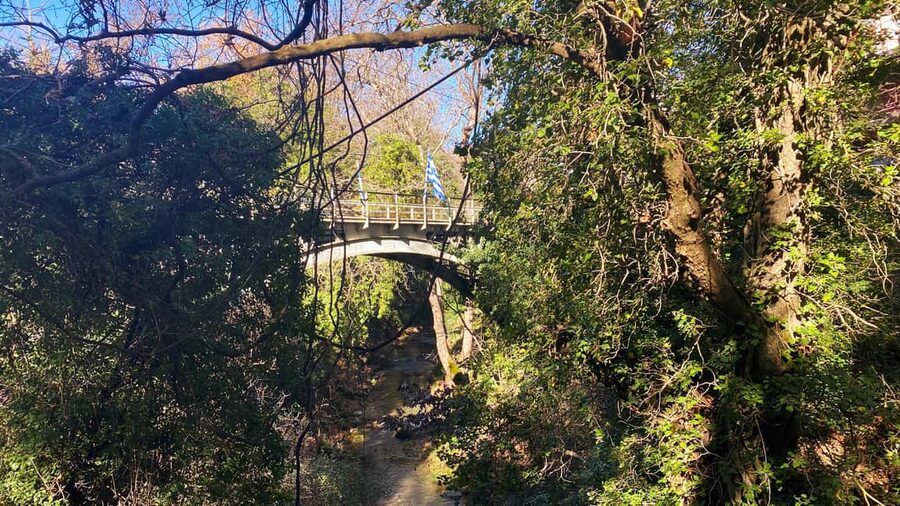
- UNESCO Chelmos-Vouraikos Geopark with real biodiversity, not just a label on paper
- Planitero’s plane forest and crystal-clear springs, great for a slow reset
- Kalavrita’s Holocaust Museum in a town where history sits close to the streets
- Local taste stops like honey, cheese, liqueurs, and wild mushrooms
- Pounta Beach swim time on the Corinthian Gulf, or a winter alternative
- A guide-led story flow that makes the day easier to remember, especially with Vassilis’ anecdotes
Hitting Halandri first: how the day trip timing works
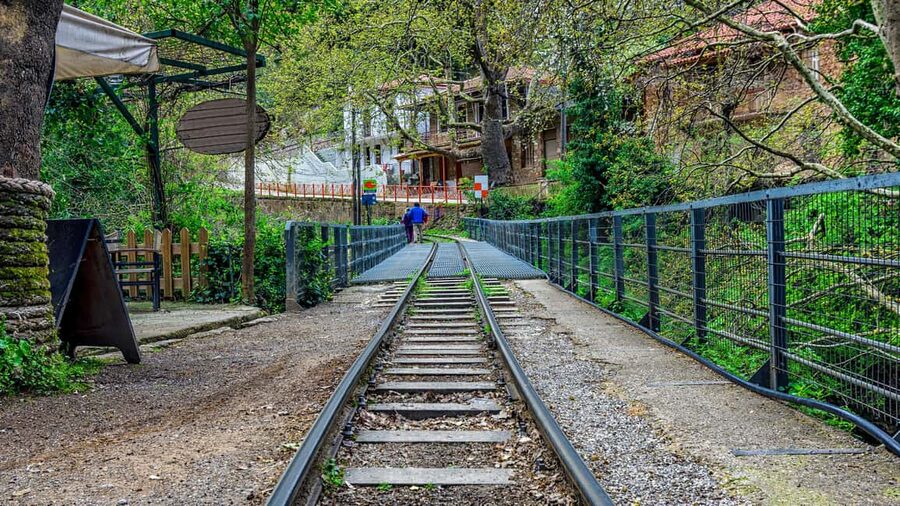
Most day trips start when you’re still half-awake, but this one starts in Halandri. You meet outside Halandri Metro Station on the Blue Line, and it’s about a 20-minute ride from Athens Syntagma.
From there, the bus time is built into the experience. You’ll have roughly one hour on the road early, then another longer stretch, plus a few shorter transfers between stops. The rhythm is intentional: travel, then a focused hour or free time block where you can actually see something.
One practical tip: arrive around 10 minutes early. These meeting points can be a little confusing at first, and you don’t want to sprint into a bus that’s already rolling.
Before you book, here is what else runs from Athens:
- Athens: Acropolis & up to 5 Archaeological Sites Combo Pass
★ 4.2 · 13,904 reviews - Athens: Acropolis, Parthenon & Acropolis Museum Guided Tour
★ 4.8 · 9,316 reviews - The Acropolis, Parthenon & Acropolis Museum Guided Tour
★ 4.7 · 8,493 reviews - Athens: Cape Sounion & Poseidon Temple Sunset Half-Day Trip
★ 4.8 · 8,241 reviews
Planitero at the base of Mount Chelmos: ancient plane trees and springs
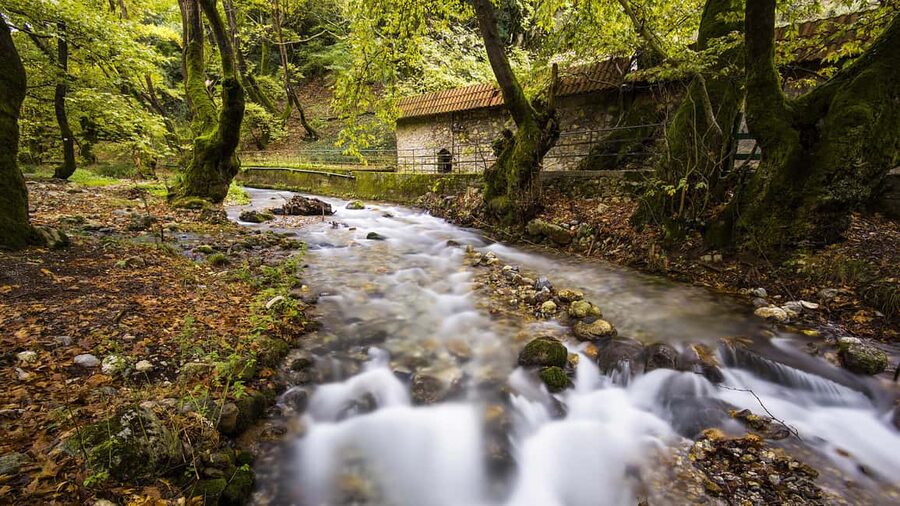
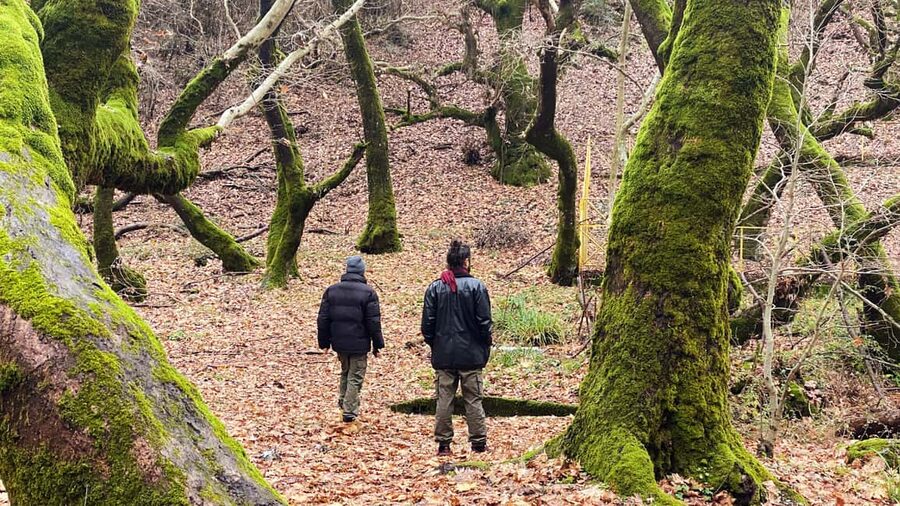
Your first real taste of the region is Planitero, set at the base of Mount Chelmos. The area is described as being around the Aroanios River, with an older plane-tree forest that feels cooler and quieter than you’d expect for Greece.
You start with a traditional breakfast, then get time to walk trails and check out the springs. This is the portion of the day where I like to slow my brain down. You’re not trying to race from one landmark to another. You can listen to water, notice the greenery, and just breathe.
What to watch for: comfortable shoes matter here. Trails and spring areas can mean uneven footing and slick spots near water. Also bring warm clothing even if you think it will be mild, because “base of a mountain” can mean a cooler breeze.
Chelmos-Vouraikos Geopark: what UNESCO looks like in real life
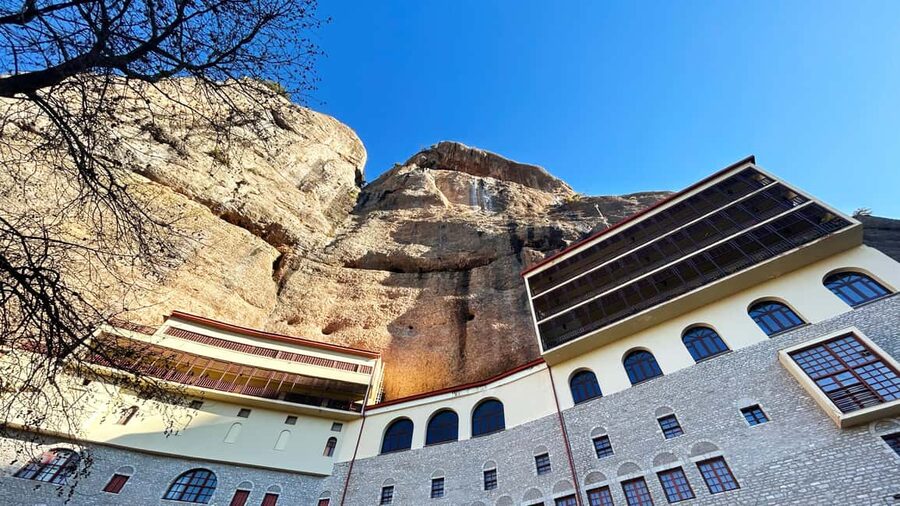
The main nature focus is the Chelmos-Vouraikos Geopark, listed by UNESCO. Rather than being abstract, it’s presented through what’s around you: biodiversity and how life has adapted to this part of the Peloponnese.
What that means for you on the ground: you’ll likely see a mix of habitats and plant life that feels different from Athens and the coastal strips you may be used to. The experience framing matters here too. When a guide connects plants, water sources, and local geography, you stop thinking of it as “a bus stop with views” and start noticing the living logic of the place.
This is also where a strong storyteller pays off. In the best moments, you’re not just taking photos, you’re understanding why the area looks the way it does. One review specifically praised Vassilis for being passionate and sharing lots of anecdotes, stories, and myth-based context tied to what you can see nearby. That kind of guiding really helps this long day stay coherent.
The one-hour visit stop: plan for a guided set-piece
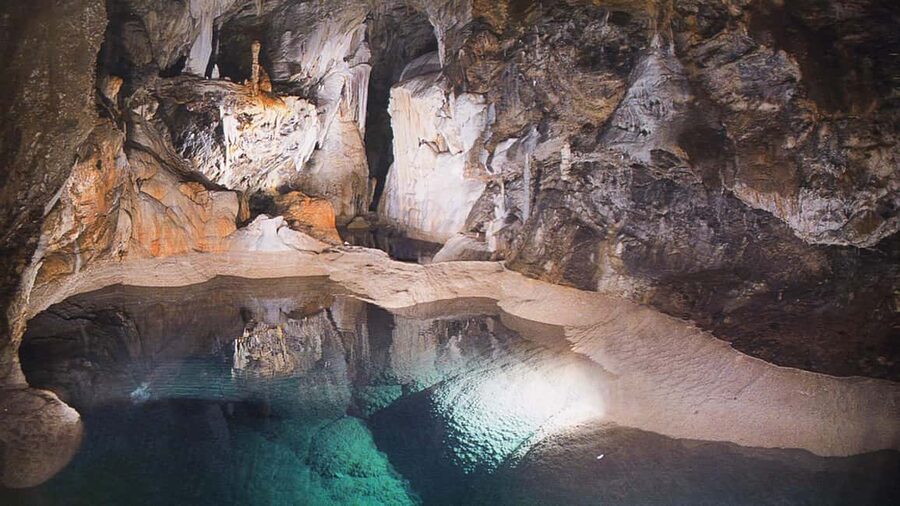
Between Planitero and Kalavrita, there’s a dedicated one-hour visit stop. The day’s title includes the Cave of Lakes, and this is the time block that typically fits a cave-related highlight.
Because the exact details of the visit stop are not spelled out in the core schedule information you provided, I’d treat it as a guided, time-limited experience. Go with a flexible mindset, keep your camera ready, and listen carefully for what’s allowed and what to expect inside. Cave or underground stops often mean temperature differences, so having a layer in your bag can save you from feeling chilled.
Kalavrita village time: cobblestones, breathing room, and a museum stop
Kalavrita is the emotional center of the day. You’ll arrive with about 1.5 hours of free time in town, which is enough to do two key things: wander the cobblestone streets at your own speed and still make room for the Holocaust Museum visit.
This is not the kind of stop you can rush. Take the time to read what’s on display and walk through slowly. The museum’s focus is the tragic events of 1943, and the tone is meant to land. Even if you’ve read about the subject before, seeing it in place makes the history feel less distant.
In your free time, aim to look for small, everyday details around the village. I find that’s what helps the museum section stick to real life rather than staying as a separate lesson.
A practical note: bring a camera, but also plan for moments when you might not want it out. That museum stop will set the emotional temperature for the whole day.
Same hours, spent a different way in Athens:
- Acropolis: Premium Acropolis and Parthenon Guided Tour★ 4.8 · 5,208 reviews
- Athens: Mythology of Delphi, Museum and Arachova Guided Tour★ 4.7 · 5,102 reviews
- All Day Cruise -3 Islands to Agistri,Moni, Aegina with lunch and drinks included★ 5.0 · 4,958 reviews
- Athens, Piraeus, and Coastline: Blue Hop-On Hop-Off Bus★ 3.9 · 4,849 reviews
Sampling local flavors in Kalavrita: honey, cheese, liqueurs, wild mushrooms
One of the most enjoyable parts of this kind of day trip is when food becomes a shortcut to culture. Here, you’ll have tasting chances for local honey, cheese, liqueurs, and wild mushrooms.
You don’t need to be a food expert to enjoy this. The point is that these flavors are tied to what the land can produce and what locals preserve or celebrate. If you’re curious, ask questions when you taste. A small question to the person serving can turn a sip or spoonful into a story about seasonality and craft.
If you have dietary restrictions, you’ll want to use the opportunity to ask directly what’s in what you’re offered. The schedule information calls out the main items, but it doesn’t list ingredients or allergy details.
Pounta Beach on the Corinthian Gulf: swim time, then slow down

Then you head to the coast, Pounta Beach on the Corinthian Gulf. In warm seasons, the schedule sets aside about 100 minutes for swimming, plus enough time to enjoy being by the water.
This is where you’ll appreciate the earlier nature walking. Your body gets a change of pace, and you get that classic end-of-day release: towels down, sunscreen on, and the chance to cool off after a full day inland.
If you want to make it feel truly like a holiday, add a simple ritual: swim first, then sit for a while at the beachfront taverna. Even if you keep the meal light, that slow seated time helps the day feel complete rather than rushed.
In winter, the beach portion is replaced. The plan swaps in more time exploring Kalavrita’s village and stunning nature instead. So you’re not stuck with a shorter day, you just get a different ending.
The guide matters: Vassilis and the story engine
This trip’s standout in the feedback you shared is the guide experience. One verified reviewer highlighted Vassilis as incredible, passionate, and deeply engaging. The key detail: he didn’t just explain logistics. He connected stories and myths to what you could see around you.
That’s the difference between a day that feels like a checklist and a day that feels memorable. Nature days can turn vague if nobody helps you interpret them. History days can feel heavy if nobody frames them carefully. A guide who can do both, with energy and clear storytelling, helps you carry the whole day back with you.
If you’re booking, look for the chance to ask questions during those short stopovers. When a guide like Vassilis is in full flow, you’ll often get better answers by simply asking what you’re seeing.
What to bring, what to skip, and walking reality
Here’s the practical packing list you’ll want for this 10-hour mix of town, nature trails, and possible swim time:
Bring:
- Comfortable shoes
- Warm clothing (especially if visiting in cooler months)
- Sunglasses and a hat
- Swimwear, towel, and sunscreen (if the beach portion is running)
- Camera
Skip:
- Smoking
- Littering
- Alcoholic drinks in the vehicle
Walking and comfort notes matter. This tour isn’t suitable for people with mobility impairments or wheelchair users. Even if you can handle some uneven ground, the overall structure is not built for easy wheelchair access.
Also keep a layer in your day bag. Even on a sunny day, mountain-adjacent weather can change fast, and caves or shaded spring areas can feel cooler.
Price and value: where the day trip earns its keep
You didn’t provide a price here, so I’ll judge value the way I actually do: what you get for your time and energy.
This is strong value for three reasons. First, you’re not just going to one place. You get a UNESCO geopark nature block, a village history stop in Kalavrita, and a coast finish at Pounta Beach (or a winter swap). Second, the schedule includes a structured breakfast and tasting chances for local specialties, which turns the day from transportation-heavy into culture-heavy. Third, the guide story style, especially with someone like Vassilis, helps you turn stops into understanding.
The cost side only makes sense if you’re the type who likes a full day with guided pacing. If you want slow travel with minimal driving and lots of independent exploring, you might feel rushed.
Who should book this day trip?
This tour fits well if you:
- Want a nature and history day without planning and ticket juggling
- Like guided context, especially myths and local stories woven into what you see
- Enjoy tasting local food items like honey, cheese, liqueurs, and wild mushrooms
- Can handle a full day with walking over uneven ground
It’s less suitable if you:
- Need wheelchair access or have significant mobility limitations
- Want only one light, low-walking stop
- Prefer beach relaxation only, because winter can shift the coast time to more Kalavrita exploring
Should you book Kalavryta and the Cave of Lakes experience?
I think you should book if you want a day that feels like two different Greece’s meeting in one route: mountain nature with springs and ancient plane trees, then a human history stop in Kalavrita, and finally a coast reset at Pounta Beach when conditions allow.
Book it with realistic expectations about pace. You’ll be on a bus for a meaningful chunk of the day, and you’re walking enough that your shoes matter. If you’re good with that trade-off, the payoff is a day you can talk through later, not just a set of photos.
If you’re traveling in winter, don’t worry about losing the experience. The plan shifts toward more Kalavrita village time and nature exploration, which can be just as satisfying if you dress warm and go with the flow.
FAQ
Where do I meet for the tour?
Meet outside Halandri Metro Station (Blue Line). Use the exit labeled To Vrilissia, and meet your guide outside the station.
How long is the day trip?
The total duration is 10 hours.
Is swimming included?
Swimming is included in the schedule with a dedicated swimming time at Pounta Beach. In winter, the beach visit is replaced with more time exploring Kalavrita’s village and nature.
What should I bring?
Bring comfortable shoes, warm clothing, sunglasses, a hat, swimwear, a towel, a camera, and sunscreen.
Is this tour suitable for wheelchair users or people with mobility impairments?
No. It is not suitable for people with mobility impairments or wheelchair users.
What rules are in place during the tour?
Smoking and littering are not allowed. Alcoholic drinks are also not allowed in the vehicle.