
Reviewed · SCUBA DIVING
Athens: Discover Scuba Diving Experience for Beginners
Your first breath underwater is a small miracle. This Athens beginner course turns that wow moment into something you can actually manage, not just watch from the shore. I especially liked the PADI professional guidance and the shallow-water practice that builds confidence before you move into open water. One thing to consider up front: you need to do the short eLearning medical statement link before the day of your session.
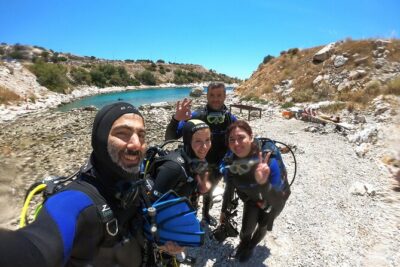
I also liked the way the team keeps things calm and checks in as you go, which matters when you are new and your brain is busy learning a totally different environment. In the guides I heard about, George and the Seahorse crew, including Petros and Christos, were repeatedly praised for clear instruction and making people feel safe.
In This Review
- Key things to know before you go
- First underwater breaths in Athens, built for beginners
- The pre-course eLearning, including the medical statement
- What happens on the day: briefing, gear, and safety rules
- Shallow-water skills that actually reduce stress
- Moving into open water: seeing Athens underwater
- Gear rental, plus the practical stuff you forget until you’re there
- Who this is best for, and who should skip it
- Duration and pacing: making a 4-hour plan work
- Price value: what $123 buys you as a first-timer
- How to prepare so you feel confident in the water
- Should you book this beginner scuba session in Athens?
Key things to know before you go
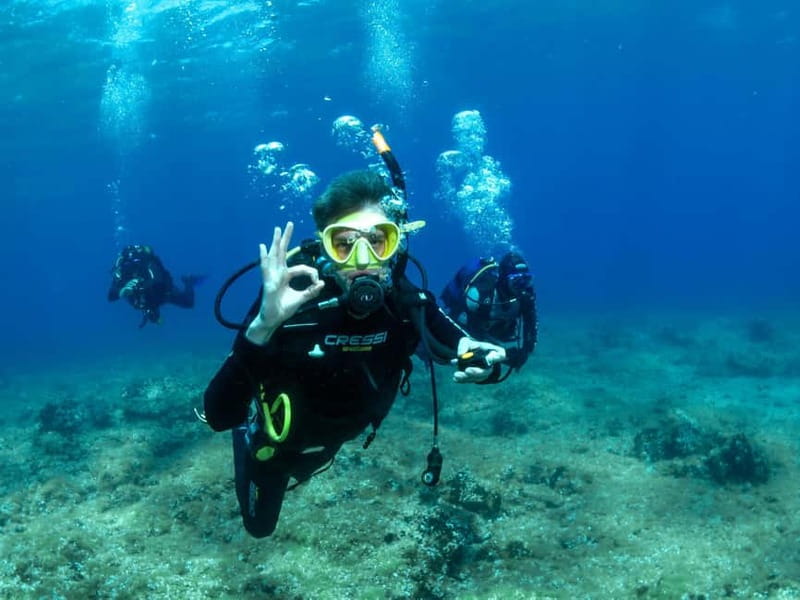
- Beginner-focused training with a certified PADI instructor, plus short scuba theory through eLearning
- Short, controlled progression from briefing to shallow-water skills, then an open-water experience
- Safety net included with DAN insurance and a full scuba equipment rental set
- Time-efficient format at about 4 hours total for a one-tank session
- Bring the basics like swimwear, towel, sunscreen, hat, and water
- Not for everyone if you are pregnant, have back or heart problems, or cannot swim
First underwater breaths in Athens, built for beginners
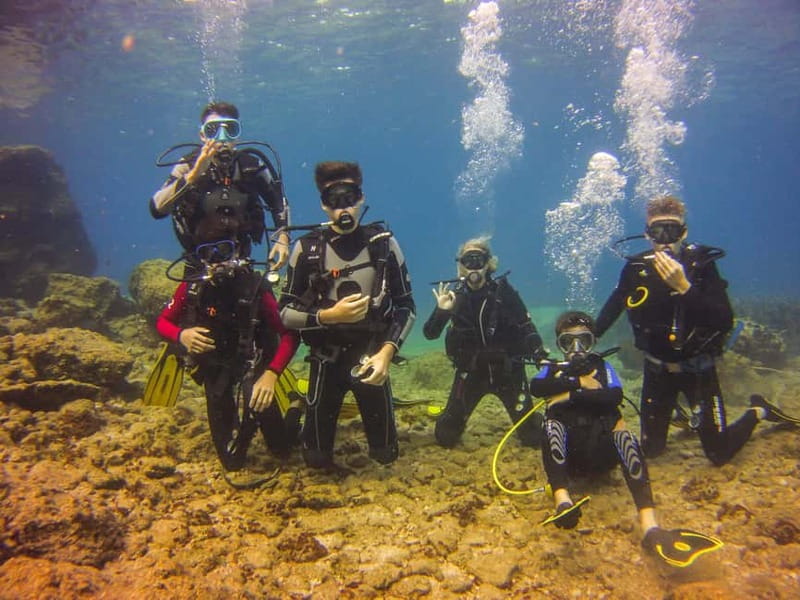
This is a four-hour beginner scuba session in Central Greece that focuses on one goal: helping you breathe underwater for the first time without turning the day into chaos. You learn core skills with a certified PADI professional, then apply them in a supervised setting designed to feel manageable.
What makes it especially appealing is the structure. You do some prep first, then you do the equipment and technique basics on land and in shallow water, then you go out. That step-by-step pacing is the difference between a thrill ride and a real lesson you can repeat later.
You do not need advanced experience here. The whole point is to translate the scary parts, like breathing through the regulator and managing buoyancy, into simple actions you can follow.
A handful more Athens outings to compare
- Athens East Coast: Discover Scuba Diving in Nea Makri
★ 4.9 · 124 reviews - Discover Small Group Scuba Diving Experience in Nea Makri, Athens
★ 5.0 · 81 reviews - Anavyssos Athens Riviera: Beginners’ Guided Try Scuba Diving
★ 5.0 · 72 reviews - Athens Scuba Diving Experience for Certified Divers with Pickup
★ 5.0 · 35 reviews
The pre-course eLearning, including the medical statement
Before your day starts, you get an eLearning link. It includes a short medical statement so you do not need doctor approval for participation in most cases, but you do have to complete the form as part of the setup.
You also learn the basic scuba theory at your own pace before you meet your instructor. For me, that matters because it reduces the amount of brand-new information you are trying to absorb in one rush right before you get wet.
Practical tip: if you do not see the email link or you have trouble accessing the eLearning, handle it early. One participant noted they did not receive the medical-related emails at first, and the start became harder to understand until the team corrected it. You can avoid that stress by checking your inbox and spam folder right away.
What happens on the day: briefing, gear, and safety rules
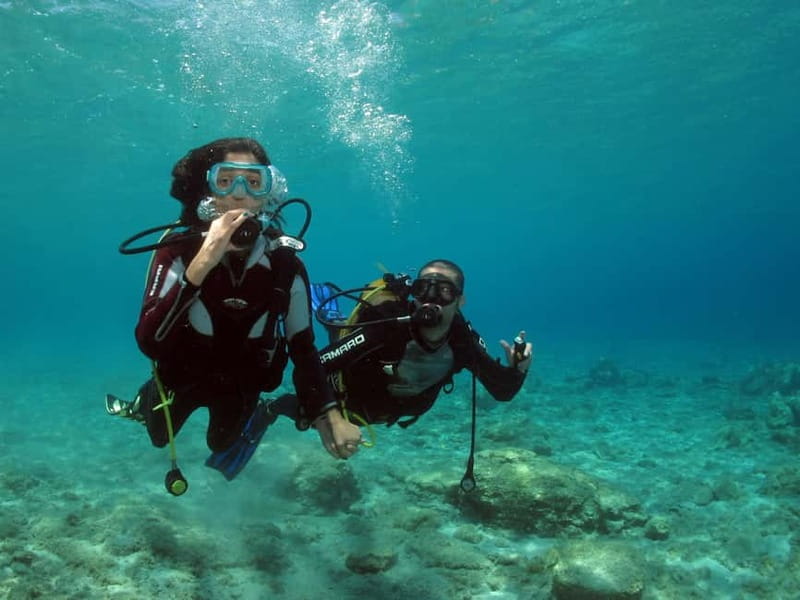
On the day of your session, you start with a briefing where your instructor explains equipment, safety guidelines, and key diving skills. This is where you will get the rules of the water made simple: what to do if something feels off, how to communicate, and how to move through the process step by step.
Next you head to the water in a controlled, shallow environment. This is not just “getting in the pool.” It is where you learn the basics with room to make corrections, rather than trying to figure things out while deeper water adds pressure and distraction.
When the instruction is clear, you can feel the whole day click. In the feedback I saw, instructors like George and the Seahorse team were praised for being calm, patient, and continuously attentive. That kind of guidance is exactly what you want as a beginner.
Shallow-water skills that actually reduce stress
The shallow-water practice is the most underrated part of the experience. You get to try the fundamentals while your body is still adjusting to the regulator, mask, and breathing rhythm.
For many first-timers, the biggest mental hurdle is learning that you can breathe underwater and that it feels controllable once you stop fighting it. Shallow water helps because you can focus on technique, not depth.
You will work on essential skills before you go into the open-water portion. While the exact technique list can vary by group and instructor, the goal stays the same: you should be comfortable enough that the open water feels like an extension of training, not a leap into the unknown.
Moving into open water: seeing Athens underwater
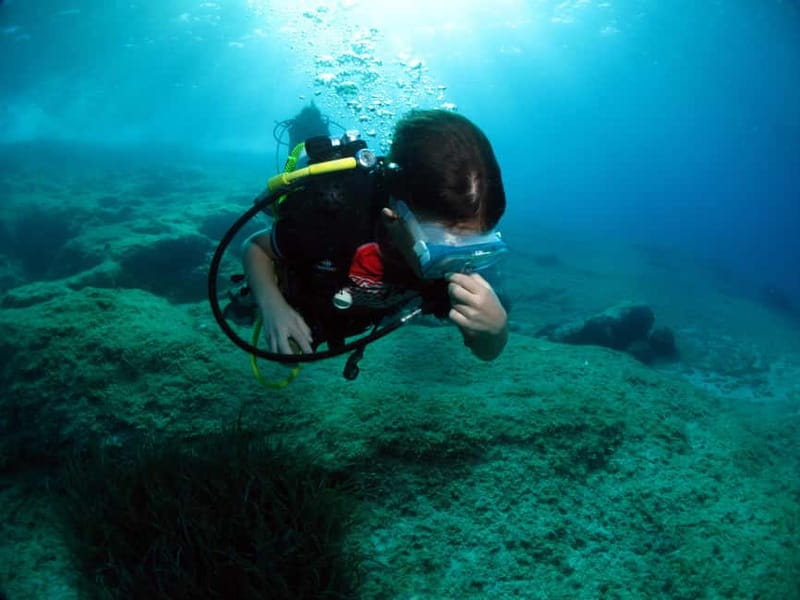
After shallow-water skills, you head to the open-water experience with your instructor guiding you. This is where the “I get it now” feeling kicks in, because you are no longer only practicing. You are exploring.
The marine world around Athens can be surprisingly rewarding for beginners, especially because you can focus on watching life and moving calmly instead of worrying about every new action. If you are lucky, you may see creatures that react quickly, like an octopus that jets ink when it feels threatened. (That kind of moment tends to happen when conditions are right and the group is moving slowly enough to notice.)
Even if the marine spotting is modest, the achievement is still real: you are underwater, breathing normally through equipment, and following a safe plan.
Same hours, spent a different way in Athens:
- Athens: Acropolis & up to 5 Archaeological Sites Combo Pass★ 4.2 · 13,904 reviews
- Athens: Acropolis, Parthenon & Acropolis Museum Guided Tour★ 4.8 · 9,316 reviews
- The Acropolis, Parthenon & Acropolis Museum Guided Tour★ 4.7 · 8,493 reviews
- Athens: Cape Sounion & Poseidon Temple Sunset Half-Day Trip★ 4.8 · 8,241 reviews
Gear rental, plus the practical stuff you forget until you’re there
Your experience includes scuba equipment rental as a full set, so you are not trying to source gear in Athens. You also get training materials through eLearning, and you are covered with DAN insurance.
Here is what you should plan to bring yourself:
- hat
- swimwear
- towel
- sunscreen
- water
No smoking, and avoid alcohol and drugs. Also, if you arrive uncomfortable or unprepared for sun exposure, you will feel it fast once you are near the water and wind.
One small but helpful mindset shift: treat the gear as part of the lesson, not as an obstacle. When instructors explain what each piece does and how it should feel, you can adjust without panicking.
Who this is best for, and who should skip it
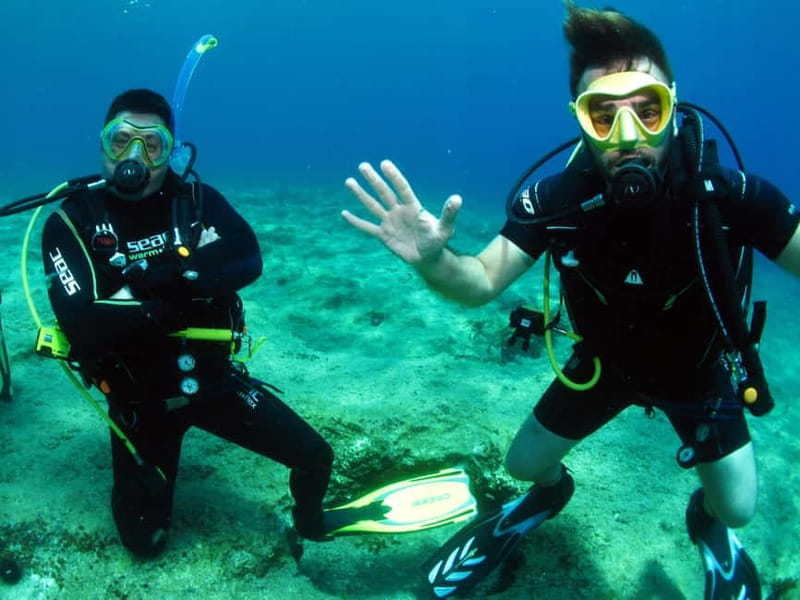
This is an experience for true beginners, and it fits best if you can swim. It is not suitable for non-swimmers, and it is not appropriate if you have certain health considerations.
Minimum age is 8 years old. The session is also explicitly not suitable for:
- pregnant women
- people with back problems
- people with heart problems
If you have any uncertainty about your readiness, it is worth taking the medical statement seriously and asking questions during the briefing. The goal is to keep you safe, not to “push through.”
It is also a good option if you want a short, structured introduction rather than committing to a multi-day certification path. At roughly 4 hours, you get a full taste of scuba skills plus underwater time.
Duration and pacing: making a 4-hour plan work
The total duration is about 4 hours. That timing is ideal when you want an activity that is long enough to teach real skills, but short enough to still enjoy Athens afterward.
There is a minimum preflight surface interval of 12 hours for 1-tank sessions. If you recently flew or did another underwater activity, pay attention to timing so you meet the requirement.
Also note that the instructor languages are English and Greek. If you prefer English, you can plan around that when you book.
Price value: what $123 buys you as a first-timer
At $123 per person for a four-hour beginner scuba session, you are paying for more than time in the water. You are paying for:
- PADI-certified professional instruction
- eLearning training materials and medical statement prep
- shallow-water skills training
- a one-tank open-water experience
- full scuba equipment rental
- DAN insurance
For a beginner, that combination has real value. The PADI instruction and medical preparation reduce uncertainty. The equipment rental removes the hassle of buying gear just to try scuba once. And DAN insurance is the kind of included safety layer you appreciate only after you have heard enough beginner horror stories.
If you are comparing this to DIY “rent gear and go,” it is not the same deal. The structured training is the whole point, and it is where your money goes.
How to prepare so you feel confident in the water
You can make the experience smoother just by showing up ready. Wear swimwear that is easy to put on and comfortable under gear. Bring a towel you can actually dry off with and enough water to stay hydrated before your session.
Sun matters too. Sunscreen is included in your packing list, which tells you the day involves outdoor time before and after the water part. A hat helps.
The biggest emotional advice is simple: go slow. If you feel overwhelmed, tell your instructor right away. In feedback from the team, the approach sounds step-by-step and reassuring, which is exactly what you want if your first breaths underwater do not feel natural at first.
If you are traveling with kids (age 8 and up), focus on calm expectations. You are teaching them that safety rules come first, and the fun arrives as you learn.
Should you book this beginner scuba session in Athens?
Book it if you want a structured beginner experience that includes PADI instruction, eLearning prep, equipment rental, and a supervised open-water moment. It is a strong choice if you want to try scuba without getting lost in complicated logistics or guessing what to do.
Skip it if you cannot swim, if you are pregnant, or if you have back or heart problems. Also do not treat it as a flexible “anything goes” activity, because it is built on safety rules and physical readiness.
My simple decision guide: if you are ready to follow instructions, complete the medical statement, and practice fundamentals in shallow water, you will likely walk away with that rare, real skill, the one that starts with breathing underwater and ends with you wanting to do it again.
Latest from under the Acropolis







Scuba Diving, compared.
Athens East Coast: Discover Scuba Diving in Nea Makri
Read our review →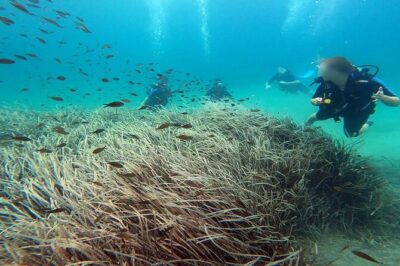
Discover Small Group Scuba Diving Experience in Nea Makri, Athens
Read our review →
Anavyssos Athens Riviera: Beginners’ Guided Try Scuba Diving
Read our review →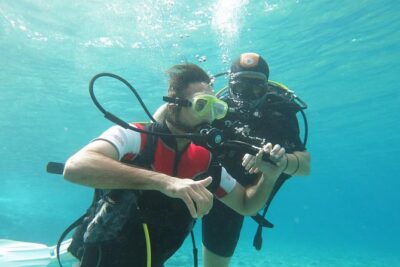
Private Discover Scuba Diving for Beginners in Athens with Pickup
Read our review →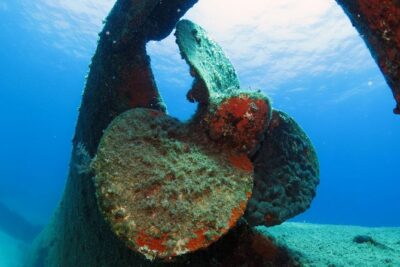
Athens Scuba Diving Experience for Certified Divers with Pickup
Read our review →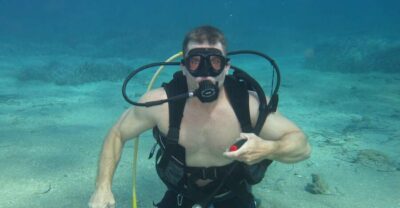

Discover Scuba Diving Private Fun Activity in Athens
Read our review →Browse the lists this tour appears in