
Reviewed · ACROPOLIS HILL TOURS
Acropolis, Plaka & Ancient Agora Guided Tour
The Acropolis feels less like ruins and more like a story. I like the format because you start on the south slope (smarter crowd flow), then you pair the monuments with the Ancient Agora so the city makes sense as a whole. The main thing to plan for is timing, because security lines and strict entry times mean you should arrive early and keep your tickets aligned with the tour schedule.
This tour is led by a local licensed guide, and the difference is obvious in how you get orientation, context, and answers without rushing. In particular, I’m impressed by reports of guides like Vasaliki, Tina, and Sissy who stayed in the shade when possible and kept the walking manageable with good pacing. The one consideration is simple: it is not suitable for wheelchair users or people with mobility impairments, and the route includes steps and inclines.
In This Review
- Key highlights to look for
- Why this Acropolis plus Agora combo fits Athens so well
- Meeting point, timing, and security checks you should plan around
- Entering the Acropolis from the south slope, plus Dionysus Theater
- The free time at the Acropolis
- The walk down to the Ancient Agora, where Athens ran on ideas and commerce
- Key Agora sights you’ll see
- Attalos Museum: the artifacts that make the Agora feel real
- What you’re really paying for at $66 per person
- Who this tour suits best
- A practical checklist before you go
- Should you book this Acropolis, Plaka, and Ancient Agora guided tour?
- FAQ
- How long is the tour?
- Where does the tour meet?
- What is included in the price?
- Are entrance tickets included?
- How does skip-the-ticket line work?
- What time does the Acropolis part start?
- What time does the Ancient Agora part start?
- Do I need to bring anything?
- Is the tour wheelchair accessible?
- Can I cancel?
Key highlights to look for
- South-slope entry to start the Acropolis with fewer crowds and easier bearings
- Dionysus Sanctuary and Theater added early, not just the Parthenon checklist
- A guided walk through the Agora’s power-and-money zone, not a random stroll
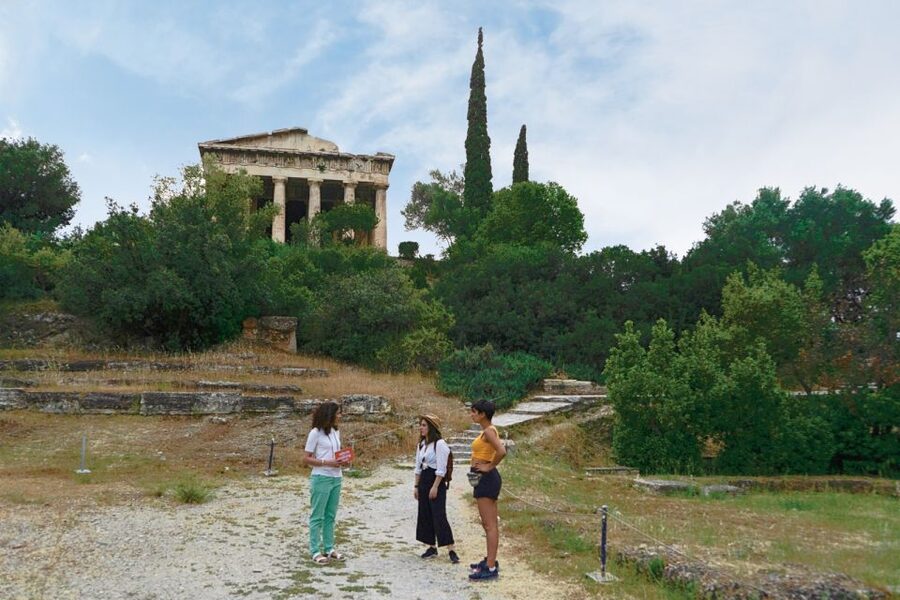
- Hephaestus Temple visited as the best-preserved Greek temple from the 5th century BC
- Attalos Museum included, with small artifacts that explain how the market worked
- A timed, guided structure that saves you from guessing what to see first
Why this Acropolis plus Agora combo fits Athens so well
If you only have a half day in Athens, the big risk is doing the Acropolis and then somehow missing the meaning. This kind of pairing fixes that. You spend time on the sacred hill, then you walk down to the Ancient Agora, the commercial, political, and financial center where daily civic life happened.
The Acropolis stops are not limited to the famous icons. You also get Dionysus Sanctuary and the Dionysus Theater from the 5th century BC, which helps you understand that Greek culture was not just temples. It was performance, ritual, and public identity.
Then, the Agora adds the human layer. You see major structures like the Hephaestus Temple, the Stoa of Zeus, and the Altar of Zeus, plus you visit the church of the 12 Apostles on the ancient site. That mix of old and newer makes the history feel less like a museum display and more like a place people kept living in.
Other walks through the ancient Agora:
- Athens: Agora and Hephaistos Temple Entrance Ticket
★ 4.0 · 449 reviews - Athens: Ancient Agora E-Ticket and Audio Tour
★ 3.9 · 413 reviews - Athens: Roman Agora & Ancient Agora E-ticket & 2 Audio Tours
★ 4.1 · 107 reviews - Acropolis & Ancient Agora Guided tour included all Entrances
★ 4.9 · 102 reviews
Meeting point, timing, and security checks you should plan around
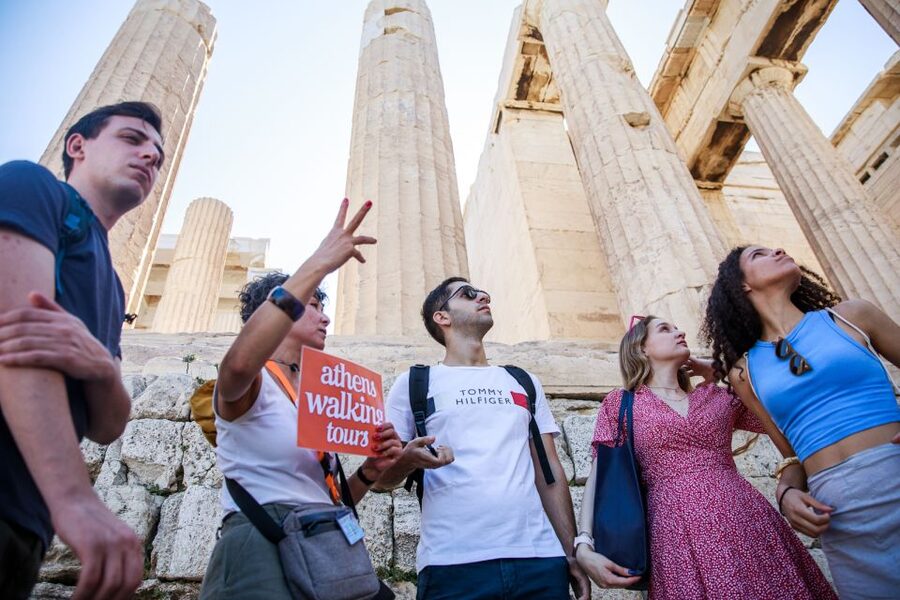
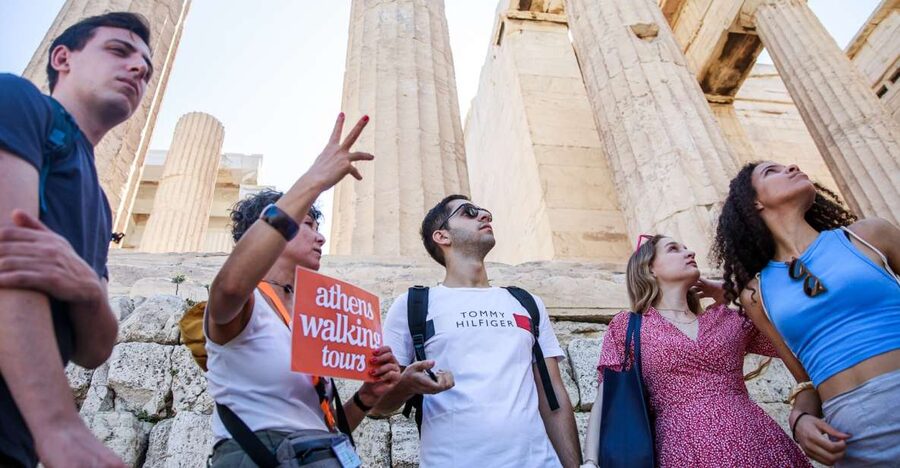
The tour meets at 3, Dionyssiou Areopagitou Street. Look for the orange sign reading Athens Walking Tours at the start of the pedestrian walkway leading toward the Acropolis from Hadrian’s Arch (near Syngrou Avenue).
Arrive 20 minutes early. This is not extra fluff. You want a buffer for the airport-style security checks that can take time, especially in peak season. Even with skip-the-ticket line service, expect some waiting for security. The typical range is 0 to 10 or 30 minutes, and sometimes it can run longer.
Timing is also tight with entry tickets. The tour starts with the Acropolis at about 11:00, and it accesses the Ancient Agora at about 13:00. You should make sure your entrance ticket time slots match the tour schedule, especially if you choose the WITHOUT Ticket option.
Also note what you cannot bring: baby strollers, and luggage or large bags. If you’re traveling light, you’ll find the walking and bag rules easier to manage.
Entering the Acropolis from the south slope, plus Dionysus Theater
Most Acropolis visits feel like a race to the Parthenon. This one takes a more logical route by entering from the south slope to avoid crowds and to set you up for a smoother climb.
Early on, you visit the Dionysus Sanctuary and the Dionysus Theater. This matters because it broadens your understanding of the Acropolis. You’re not only looking at state-sponsored architecture. You’re also connecting the hill to religion, gatherings, and performance in the 5th century BC.
As you ascend, you get that payoff view of Athens below. And unlike a quick photo stop, you get guided explanation as you move, which helps you connect what you’re seeing to why it mattered. A licensed guide walks you through major monuments including:
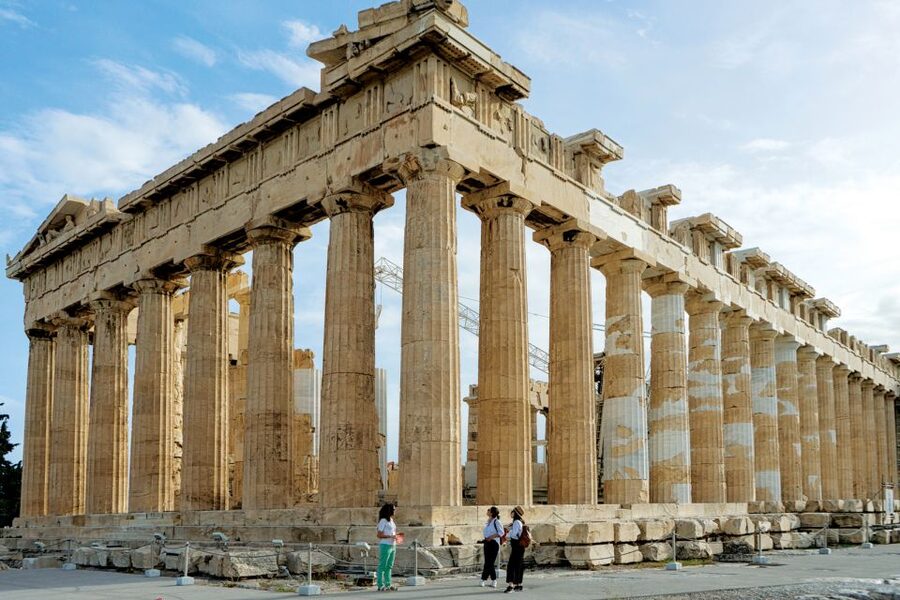
- Parthenon
- Erechtheion
- Propylaia
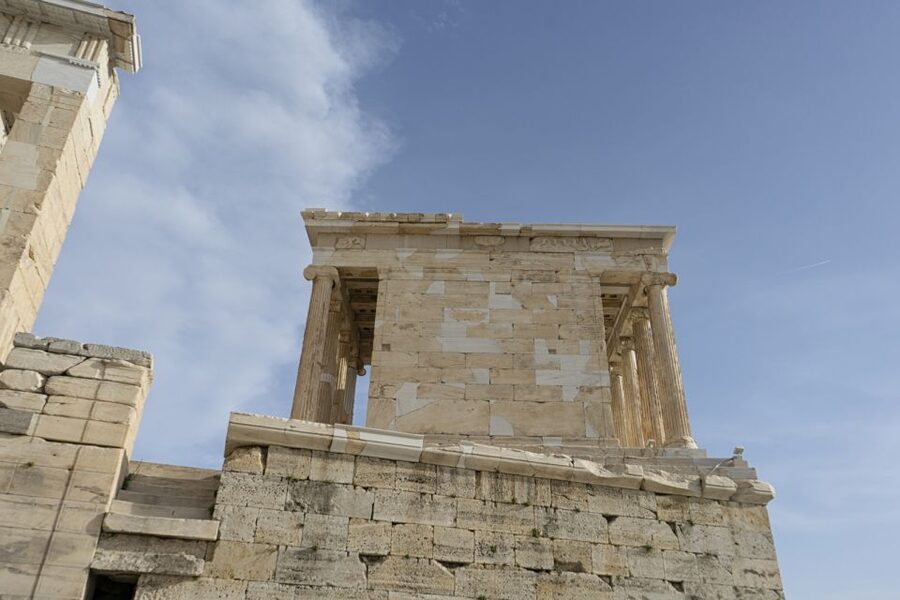
- Temple of Athena Nike (referred to as the Nike Temple)
- Agrippa Monument
- Nearby features such as the Odeon of Herodes Atticus, the Observatory, Philopappos, Mars Hill, and Pnyx Hill
Even if you’ve seen images before, the guide helps you read the space. You start to notice how viewpoints relate to the buildings and how the layout frames what you should look at next.
One practical plus from feedback: the pace and walking route seem designed to avoid unnecessary strain. Multiple people described the route as manageable even with older visitors and some knee issues, because the guide stops in shaded spots when possible and keeps moving in a steady rhythm.
The free time at the Acropolis
After the guided portion, you get free time to explore and take photos. Use it well. I recommend doing a quick loop back toward your favorite viewpoint, then slowing down for your best photos. Without the guide in that moment, you can still use what you learned to choose where to stand.
The walk down to the Ancient Agora, where Athens ran on ideas and commerce
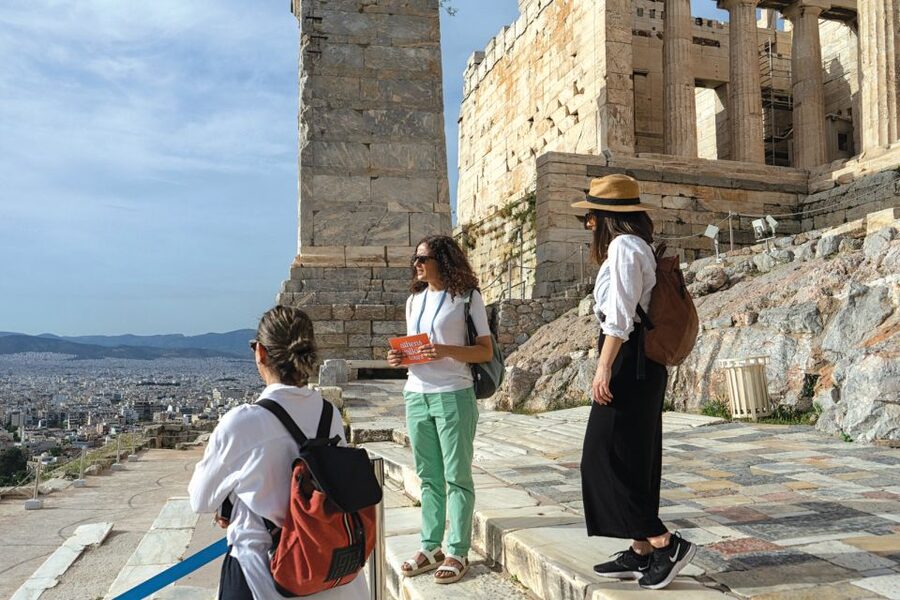
After the Acropolis tour, there’s a short break so you can grab a snack or a drink. The schedule does not include time for a leisurely lunch, so plan accordingly. If you need more than a quick bite, you’ll likely want to pick something up at the canteen stop.
Then you continue to the Ancient Agora, walking down through the area that once served as the commercial, political, and financial heart of Athens. This is where the combination tour earns its keep. The Acropolis can feel distant and ceremonial. The Agora is where people debated, traded, and made decisions.
A big highlight here is the sense of traveling back in time as the guide points out the purpose of each structure and the role it played in everyday public life. You also get the philosophical context. The Agora is tied to figures like Socrates and Plato, people who walked and taught in this kind of civic space.
Other routes up the hill and around the Parthenon:
- Athens: Acropolis & up to 5 Archaeological Sites Combo Pass★ 4.2 · 13,904 reviews
- Athens: Acropolis, Parthenon & Acropolis Museum Guided Tour★ 4.8 · 9,316 reviews
- The Acropolis, Parthenon & Acropolis Museum Guided Tour★ 4.7 · 8,493 reviews
- Acropolis: Premium Acropolis and Parthenon Guided Tour★ 4.8 · 5,208 reviews
Key Agora sights you’ll see
Your guided visit includes stops such as:
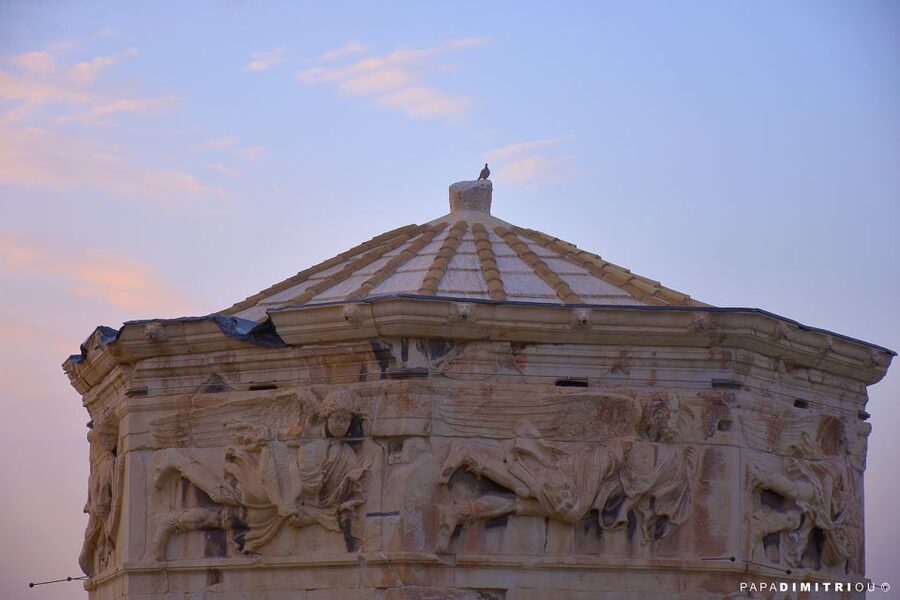
- Hephaestus Temple, described as the best preserved Greek temple from the 5th century BC
- The church of the 12 Apostles
- The Temple of Apollo Patroos
- The Stoa of Zeus
- The Altar of Zeus
Seeing these in sequence helps a lot. Temples and civic buildings are not separate stories. They form one system of public identity, authority, worship, and daily activity.
If you’re a first-time Athens visitor, this part is often where the tour clicks. Instead of just standing in front of monuments, you start to understand the site as a place with routines and politics, not only grand architecture.
Attalos Museum: the artifacts that make the Agora feel real
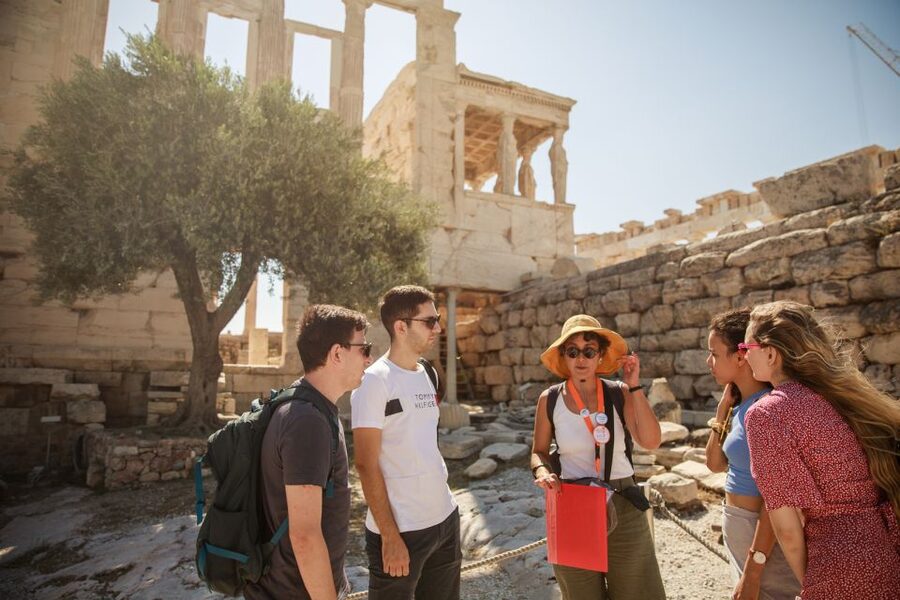
After walking among the ruins, you visit the Attalos Museum. This is included and it’s a worthwhile stop, especially if you like learning how a place actually functioned.
The museum holds artifacts of historical value, including what’s described as ID-like items from ancient Greeks, plus the original measures and weights used by market inspectors. That details-driven angle matters. It turns the Agora from a set of stones into a working market economy, with people checking standards and enforcing rules.
If you only see the outdoor ruins, it can be easy to treat everything as scenery. The museum helps you fill in the practical gaps: how transactions happened, how inspectors operated, and what everyday systems looked like.
What you’re really paying for at $66 per person
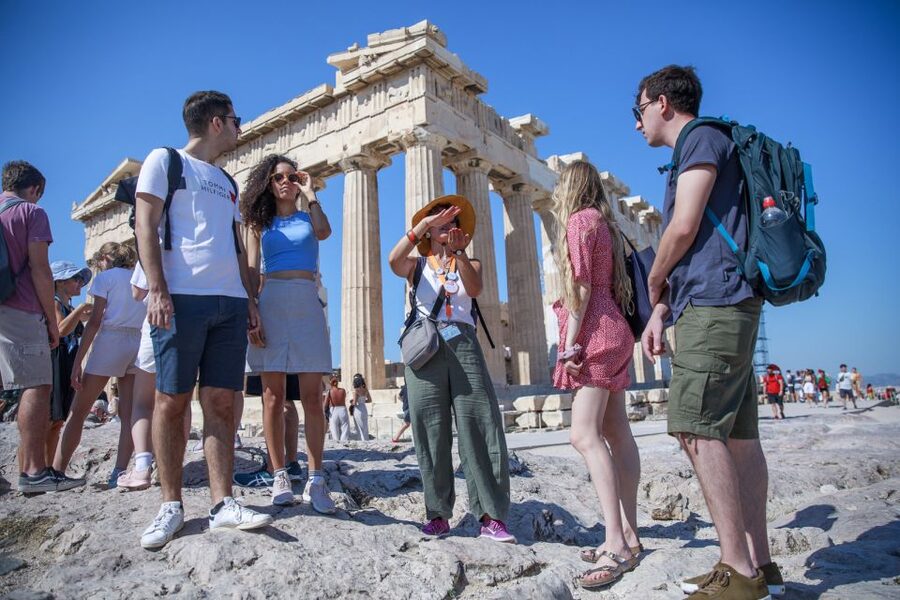
At $66 per person for about 3.5 hours, the value comes from three things, not just sightseeing.
First, you get a local licensed guide. For the Acropolis especially, the difference between self-guided wandering and a guided, spoken narrative is huge. The guide helps you connect monuments you might otherwise read as unrelated. On the Agora side, the explanations keep the stones anchored to civic life and public decision-making.
Second, you have skip-the-ticket line service (only if you pick the option with tickets). This can save time, but you still may deal with security checks. Think of it as reducing one bottleneck, not eliminating all waiting.
Third, you get structured timing across two major sites, with the guide doing the hard part of sequencing. That’s one of the reasons the combination works: you’re not trying to figure out how to transition between the hill and the civic center while also managing ticket windows.
What’s not included is just as important for your budget planning: entrance fees depend on the ticket option you choose, and food and beverages are not included. So if you want a sit-down lunch, you’ll need to add that yourself. The tour does give snack and drink stops, but it is not built around a long meal.
Who this tour suits best
This tour is a strong fit if you:
- Want both the Acropolis monuments and the Agora context in one half-day
- Enjoy mythology and civic history, not only photo moments
- Prefer a guided narrative with Q and A, especially when guides pause in shade and keep things moving at a comfortable pace
- Want help choosing what to look at, without feeling rushed
It is not suitable for wheelchair users or people with mobility impairments, since the Acropolis includes steps and inclines.
A practical checklist before you go
Bring:
- Passport or ID card
- Student card (if applicable)
- Cash
Wear:
- Comfortable walking shoes for steps and inclines
- Sun protection if you’re traveling in warmer months, since you’ll spend time outdoors
Plan:
- Pick the ticket option that matches your confidence with timed entry
- If you choose WITHOUT Ticket, buy and match the correct date and time slots before booking
- Keep your arrival early at the meeting point so you are not late to the Acropolis entry time
Should you book this Acropolis, Plaka, and Ancient Agora guided tour?
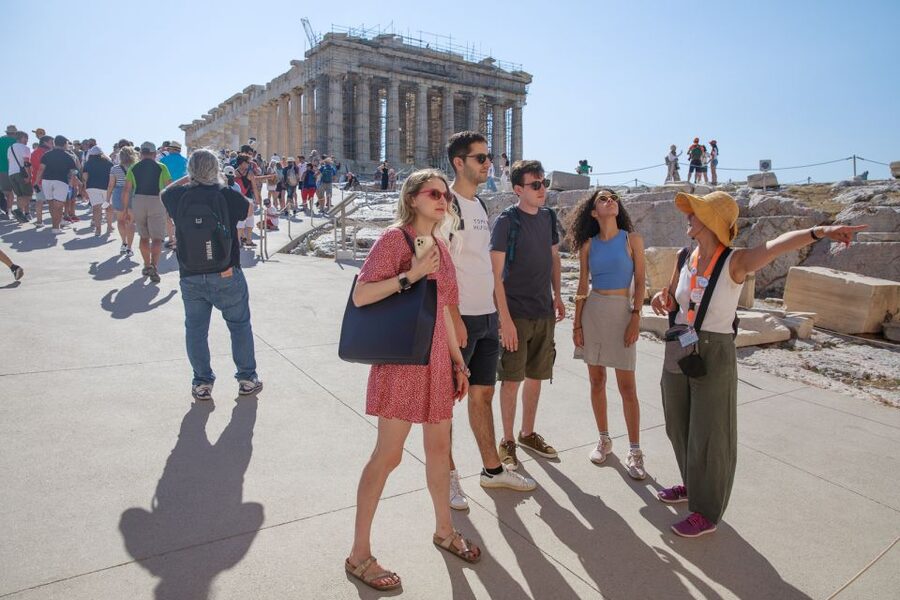
I’d book it if you want Athens to make sense fast. The combination of Acropolis monuments plus Agora civic life gives you the bigger picture in one go, and the guided route starting on the south slope is a smart way to manage crowds.
Skip it only if you strongly prefer fully independent touring, or if mobility constraints make steps and walking difficult. If you’re okay with a paced half day and you can handle timed entry windows, this is one of the more practical ways to see the highlights without turning the day into logistics.
FAQ
How long is the tour?
The tour lasts 3.5 hours.
Where does the tour meet?
It meets at 3, Dionyssiou Areopagitou Street. Look for the orange sign that says Athens Walking Tours.
What is included in the price?
Inclusions include a local licensed guide, skip-the-ticket line service if you select the ticket option, an Athens guide magazine, and an Athens map. Entrance fees depend on the ticket option you choose.
Are entrance tickets included?
If you select the WITH Ticket option, everything is included. If you select WITHOUT Ticket, you purchase entrance tickets yourself from the official site and match the correct date and time slots to the tour schedule.
How does skip-the-ticket line work?
Even with skip-the-ticket line access, you may still wait for security checks. Waiting time can vary based on visitor numbers.
What time does the Acropolis part start?
The tour starts with the Acropolis at about 11:00.
What time does the Ancient Agora part start?
The tour accesses the Ancient Agora at about 13:00.
Do I need to bring anything?
Bring passport or ID card, and student card if applicable. Cash is also listed as something to bring.
Is the tour wheelchair accessible?
No. The tour is listed as not suitable for wheelchair users or people with mobility impairments.
Can I cancel?
Yes. It offers free cancellation up to 24 hours in advance for a full refund.
Latest from under the Acropolis






Acropolis Hill Tours, compared.

Acropolis & up to 5 Archaeological Sites Combo Pass
Read our review →
Acropolis, Parthenon & Acropolis Museum Guided Tour
Read our review →
The Acropolis, Parthenon & Acropolis Museum Guided Tour
Read our review →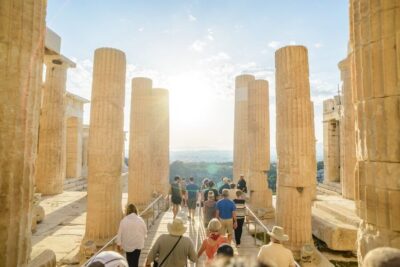
Acropolis: Premium Acropolis and Parthenon Guided Tour
Read our review →
Acropolis and Parthenon Guided Walking Tour
Read our review →Acropolis, Parthenon & Acropolis Museum Guided Tour
Read our review →

Athens Scenic Electric Bike Tour with optional Acropolis visit
Read our review →Browse the lists this tour appears in